Chicken Fried Steak

January 6: National Chicken Fried Steak Day
Howdy, y’all! Having lived in Oklahoma and currently in Texas, we are used to eating authentic, delicious down-home, Southern-style cooking. One comfort food we like is chicken/country fried steak (CFS), which is on Oklahoma’s official state meal list and is reputed to have originated in Texas from German and Austrian immigrants who introduced wienerschnitzel (see our blog post for a wienerschnitzel recipe) to the area in the 19th century. Ironically, there is no chicken in CFS—it is battered beef (tenderized cubed steaks) and fried like chicken. It fills up folks when served with buttermilk biscuits, cornbread or mashed potatoes with gravy and a side of vegetables. Celebrate National Chicken Fried Steak Day by cooking CFS!
Recipe
(Adapted from What’s Cooking America)
Ingredients
- 2 pounds cubed steaks, ½-inch thick
- ½ cup flour
- ½ teaspoon garlic powder
- ½ teaspoon salt
- ½ teaspoon ground black pepper
- 1 cup buttermilk
- 1+ cup buttermilk baking mix (we used Bisquick brand)
- oil for frying
Directions
Pound the steaks to tenderize them and cut into individual portions. In a bowl, combine the flour with the garlic powder, salt and pepper. In another bowl, pour in the buttermilk. In the last bowl, put the buttermilk baking mix. First coat the steaks in the flour mixture and shake off any excess. Next dip in buttermilk.

Finally dredge the steaks in buttermilk baking mix. Fry the steaks in hot oil until browned and cooked through. Drain on paper towels.

Notes
- CFS is traditionally fried in a heavy cast-iron skillet so that a pan gravy can be made from the leftover grease. To make the gravy, skim off all but two tablespoons of grease from the pan. Stir in 2-3 tablespoons of the seasoned flour and whisk in about one cup of milk, scraping up some of the brown bits from the pan, until the sauce is thick and creamy. Add salt and pepper to taste. This gravy can be used to pour over the CFS and buttermilk biscuits (see our blog recipe post for buttermilk biscuits for National Buttermilk Buiscuit Day on May 14).
Galette des Rois (King’s Cake)

January 6: Epiphany/Feast Day of the Three Kings
Like many of her girlfriends, Islander has a fascination with royalty. Her home state of Hawaii was once its own thriving country ruled by a monarch (from King Kamehameha to Queen Liliuokalani) and she enjoys visiting their Victorian-influenced palaces that still remain as historic landmarks. Islander was also transfixed on the television during the worldwide broadcasts of the fairytale wedding (1981) and solemn funeral (1997) of Princess Diana, and she anticipates celebrating the royal nuptials of her son, William of Wales, heir to the British throne, and Kate Middleton on April 29, 2011.
For a simple yet regal observance of the Feast Day of the Three Kings (Three Wise Men or Magi), Islander makes a simple French-style king’s cake, galette des rois. Like many special dishes associated around the new year and Epiphany, this king’s cake may contain a hidden trinket, such as a dried bean (la féve), porcelain figurine, ceramic trinket or gold coin, to symbolize the Baby Jesus hiding from King Herod. Traditionally, the one who finds the trinket in his/her slice will be blessed with good luck for the rest of the year and even gets to be king or queen for the day. Top the galette des rois with a crown to represent the real royal of our lives—Jesus Christ, the King of All Kings!
Recipe
(Adapted from Group Recipes)
Ingredients
- 1 box (2 sheets) of puff pastry, thawed
- ½ cup (1 stick) butter
- ½ cup sugar, granulated white
- 1 teaspoon vanilla or almond extract
- ½ cup almond flour/meal or blanched ground almonds
- 3 eggs, divided use
- 1 tablespoon cornstarch
- 1 dried bean
- powdered sugar (optional)
Directions
In a mixing bowl, cream the butter with the sugar. Add the extract, almonds, two eggs and cornstarch and mix until smooth. Cover and chill the filling for an hour or overnight.

Line a baking sheet with parchment paper. Unfold the thawed puff pastry and, using a round template, cut two circles.

Lay one circle on the parchment paper. Moisten a 1 ½ inch rim with the remaining beaten egg, being careful not to go over the edge or it might prevent the pastry dough from rising. Spread the filling mixture on top. Place the dried bean on the filling.

Lay the other puff pastry circle on top. Seal well by pressing the tines of the fork on the edges. Make decorative score marks on top with a sharp paring knife. Prick a few vents on top. Freeze for about an hour or refrigerate overnight.

Transfer the cold galette des rois to a slightly larger round cake or tart pan with a lip. Brush with egg wash, being careful not to let it drip on the sides or it might prevent the pastry dough from rising. Bake in a preheated oven at 375 degrees F for 25-30 minutes. The galette des rois is done when the pastry if puffed up and turns a golden brown color. Remove from the oven to let cool. Before serving, sprinkle with powdered sugar (optional) and decorate with a paper crown or toy tiara.

Notes
- We used an 8-inch round pan as a template to cut the puff pastry. We used a 9-inch fluted tart pan with a removable bottom lined with wax paper in which to bake our galette des rois.
- Let others know about la féve or hidden trinket in the cake. Explain its symbolism and issue a safety warning before eating a slice of it. Traditionally, the one whose slice contains la féve or hidden trinket becomes the king or queen of the day and is entitled to wear the paper crown or toy tiara.
- January 6 signals the end of the Christmas season as it is the 12th day of Christmas or Twelfth Night. The Christian calendar then returns to Ordinary Time in the liturgical year.
- There are many variations of king’s cakes around the world. Search our blog for different recipes for the new year, Epiphany and Mardi Gras.
Lemon Shortbread

January 6: National Shorbread Day
Highlander’s Mum would bake shortbread in the traditional Scottish style—in a round pan and cut into wedges, just like the packaged petticoat tails and triangle shorbread cookies found at the grocery store. When we attended a Highland festival with her, she got a ceramic shortbread pan with a thistle design as an homage to her heritage. Years later, at another Celtic carnival, Islander got the same type of pan. Now she bakes shortbread for her Highlander hubby like his Mum used to make.
The classic shortbread recipe adapted for our blog post has a hint of lemon. Finely grated lemon rind adds a citrusy flavor and a fresh aroma to a versatile shortbread dough. Lemon shortbread is terrific for teatime or for commemorating National Shortbread Day.
Recipe
(Adapted from Brown Bag)
Ingredients
- ½ cup (1 stick) butter, room temperature
- ½ cup powdered sugar
- 2 teaspoons lemon rind, finely grated
- 1 cup flour
Directions
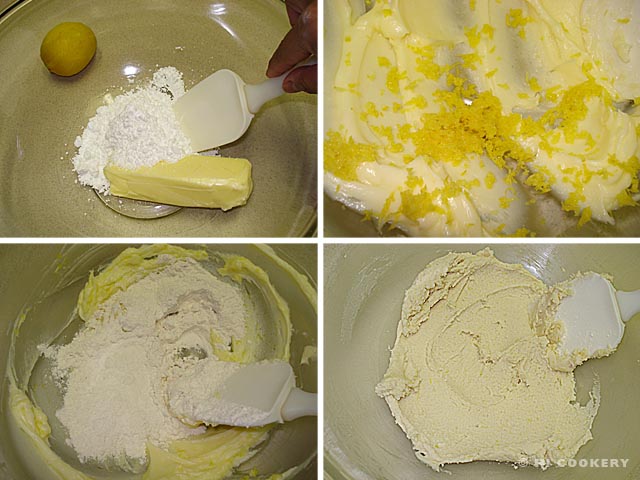
In a mixing bowl, cream the butter with sugar. Mix in the lemon rind. Gradually add the flour until a smooth dough is formed.
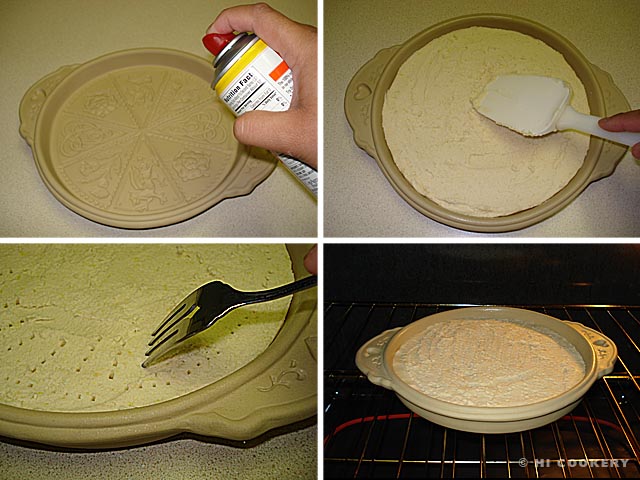
Lightly mist the ceramic shortbread pan with cooking spray. Wipe off the excess oil from the designs. Press the dough evenly in the shortbread pan. Prick holes on the top with the tines of a fork. Bake in a preheated oven at 325 degrees F for 30-35 minutes or until golden and slightly puffed.
Remove the cookie from the oven and let cool in the shortbread pan for 10 minutes. Loosen the edges with a spatula or knife. Carefully invert the shortbread pan onto a cutting board. While the shortbread is still warm, cut into wedges with a sharp knife. Brush away the crumbs and let cool completely to a crisp.

 HI COOKERY