December 2011
Monthly Archive
December 23, 2011
Pfefferneuse
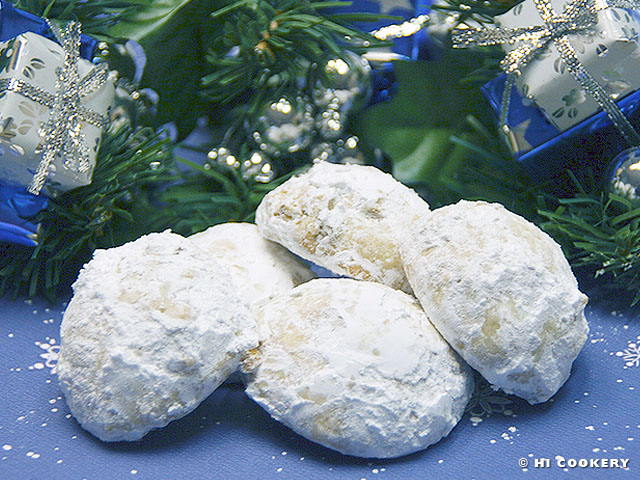
December 23: National Pfefferneuse Day
We had blogged about Mexican wedding cookies before and wanted to try the similar-looking powdery pfefferneuse cookies. Both look like little snowballs but the latter is uniquely spiced with pepper and anise and has a softer texture.
Pfefferneuse means “pepper nuts” in German, Danish and Dutch. They are traditionally served around the Feast Day of St. Nicholas (December 6) and throughout the Advent season. When we entertain guests, we put pfefferneuse on a platter with St. Nikolaas Koekjes, fruitcake cookies and white chocolate candy cane drops to offer everyone a variety of Christmas confections.
Add this recipe to your ritual of holiday baking to celebrate winter and National Pfefferneuse Day!
Recipe
(Adapted from Cooking Light)
Ingredients
- 1 cup flour
- 1 teaspoon baking powder
- ¼ teaspoon salt
- ½ teaspoon white pepper
- ½ teaspoon ground cinnamon
- ½ teaspoon groung nutmeg
- ¼ teaspoon ground cloves
- ¼ cup (½ stick) butter, softened
- ¼ cup sugar
- 1 egg
- ¼ cup milk
- ½ teaspoon lemon peel, grated
- ¼ cup walnuts, chopped (we used walnut chips)
- ½ teaspoon anise seed
- powdered sugar
Directions
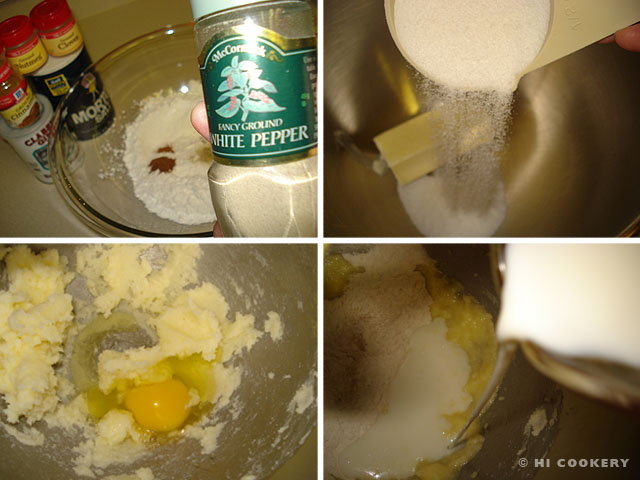
In a bowl, combine the flour, baking powder, salt, white pepper, cinnamon, nutmeg and cloves. Set aside. In a mixer or another bowl, cream the butter with the sugar. Beat in the egg. Stir in the milk until smooth.
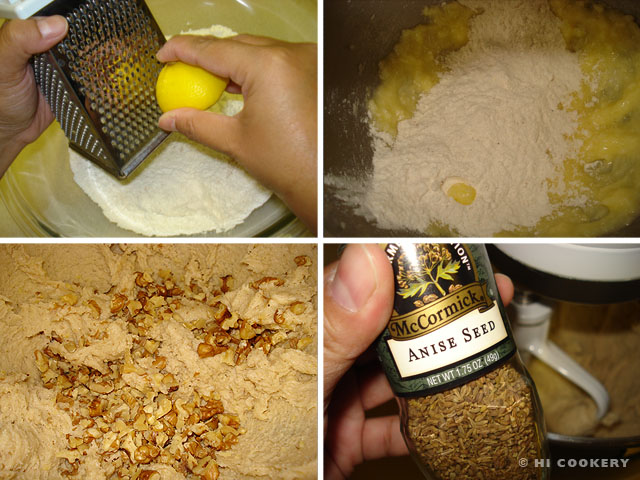
Add the grated lemon peel. Gradually add the flour mixture and blend well. Fold in the walnuts and anise seed.
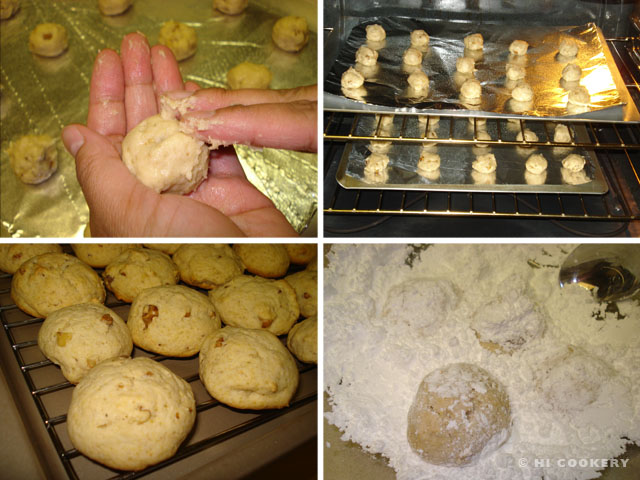
Roll into one-inch balls. Place about two-inches apart on a lightly greased baking sheet lined with foil. Bake in a preheated oven at 350 degrees F for 15 minutes. Remove from the oven and cool slightly on wire racks. While still warm, roll the cookies in powdered sugar. Yield: Approximately 3 dozen.
Notes
- Pfefferneuse is also spelled as pfeffernüsse (German) and known as pebernødder (Danish) and pepernoten (Dutch).
- Search our blog for other cookie recipes.
December 21, 2011
Posted by HI Cookery under
12 December | Tags:
burgers,
hamburger,
mini hamburgers,
National Hamburger Day,
sliders,
teri burger,
teri slider,
teriyaki,
teriyaki burgers,
teriyaki hamburger,
teriyaki sliders |
Leave a Comment
Teriyaki Sliders
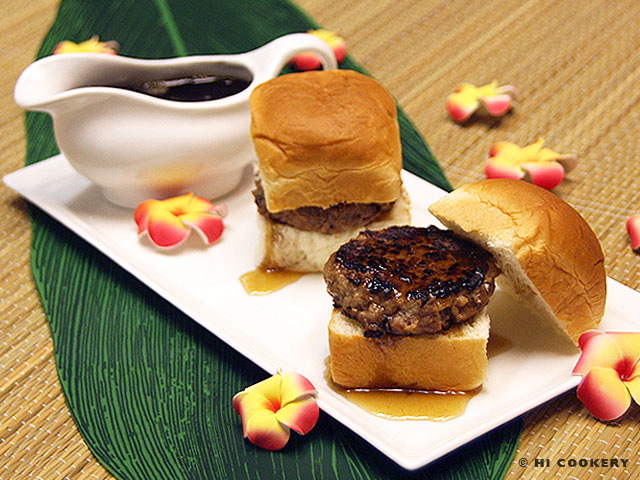
December 21: National Hamburger Day
‘Tis the season for…tailgating? In Hawaii, where the “winter” weather is warm, football fans gather for game day grilling between late December until January. Before statehood in 1959, locals and tourists would tailgate at the old Honolulu Stadium or War Memorial Stadium and now at the Aloha Stadium.
Football games were played at the Poi Bowl (1936-1939), Pineapple Bowl (1940-1952), Hula Bowl (1947-2008), Aloha Bowl (1982-2000), Oahu Bowl (1998-2008) and Hawaii Bowl (2002-current). The Pro Bowl took place in Hawaii (1980-2009) but was played in Florida for the first time in 2010. In 2011, the Pro Bowl returned to Hawaii and people want it to stay at the Aloha Stadium (it is scheduled for 2012).
We know some of our friends back in Hawaii who like to grill teriyaki burgers when tailgating at the Pro Bowl. Highlander just watches the game on television on the mainland. But we still make festive football food at home, such as mini hamburgers with a sweet soy sauce. Teriyaki sliders are terrific for tailgating, super when watching bowl games and perfect for observing National Hamburger Day!
Recipe
(Adapted from Flavors of Paradise Cookbook by the Pearl City Community Church)
For the teriyaki sliders
- ½ pound ground beef
- ¼ cup onions, chopped
- ¼ teaspoon salt
- ½ cup bread crumbs
- 1 egg
- 1 tablespoon ketchup
- 2 tablespoons soy sauce (we used Aloha Shoyu brand)
- 2 tablespoons sugar
- 1 clove garlic, minced
- 1 half-inch piece ginger, grated
- mini burger buns (we used King’s brand Hawaiian sweet rolls)
Directions
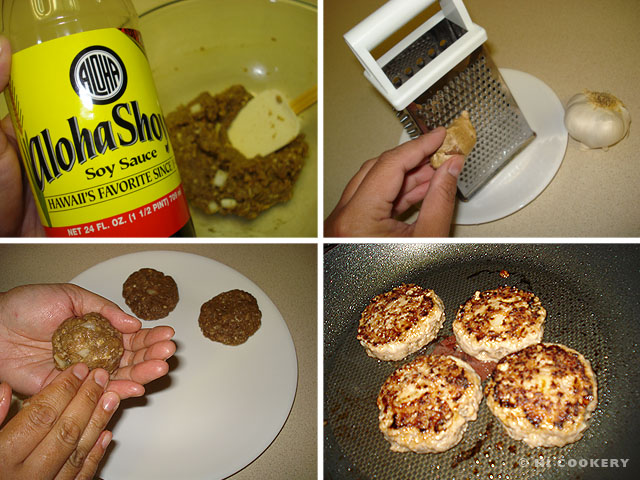
In a large mixing bowl, crumble the ground beef with the onions. Season with the salt. Mix in the bread crumbs. Bind with the egg. Add the ketchup.

Mix in the soy sauce, sugar and garlic. Grate the ginger and add it to the ground beef. Shape into small patties. Grill or fry until cooked through. Yield: 8 patties per half pound of ground beef.
For the teriyaki sauce
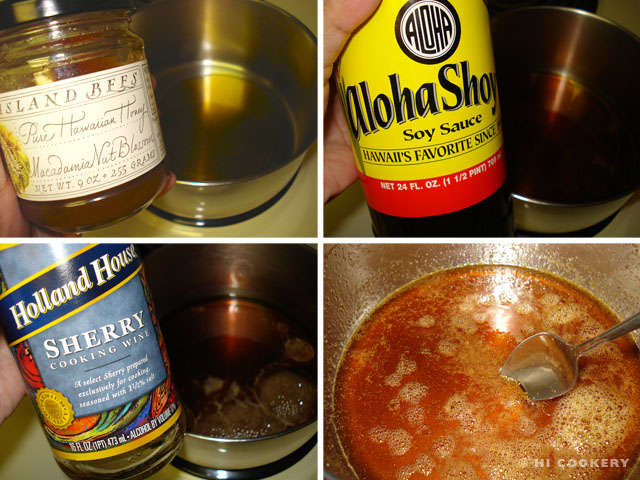
- 1/3 cup honey (we used Big Island Bees brand macadamia nut blossom flavor)
- 1 tablespoon soy sauce
- 1 tablespoon sherry
- 1/8 teaspoon garlic powder
- 1/8 teaspoon ground ginger
Directions
In a small saucepan, combine the honey, soy sauce and sherry. Season with garlic powder and ground ginger. Boil until slightly thickened. Remove from heat and cool to room temperature.
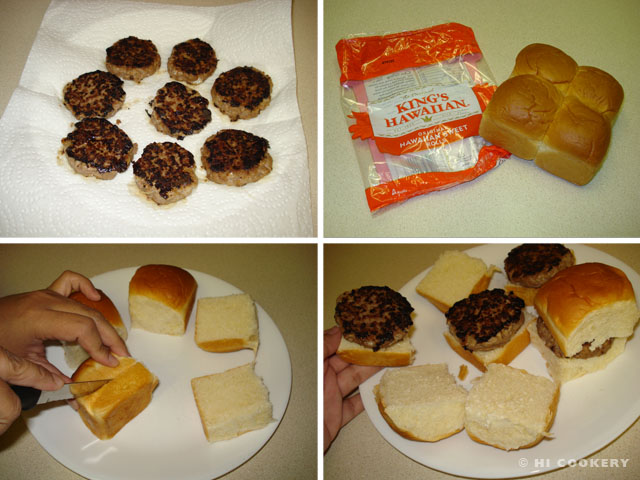
Assemble the teriyaki sliders. Slice the buns/rolls in half. Place a patty on the bottom half of the bun/roll. Pour a little teriyaki sauce on top. Cover with the other half of the bun/roll. Serve immediately.
Notes
- For tailgating, prepare the patties ahead of time and keep in a cooler between sheets of wax paper. Slice the buns and keep in its bag. Make the teriyaki sauce and put into a squeeze bottle for easy pouring. Grill the burgers and assemble on site.
- Teriyaki sliders may be made without the sauce. Garnish the patties with lettuce, tomatoes, onions and other condiments of choice.
- Supersize the petite patties and make them bigger to fit regular hamburger buns instead of rolls.
- Mahalo (thanks) to Mary Ann B. for the cookbook featuring the recipe for teriyaki burgers which we adapted into sliders.
December 20, 2011
Sangria
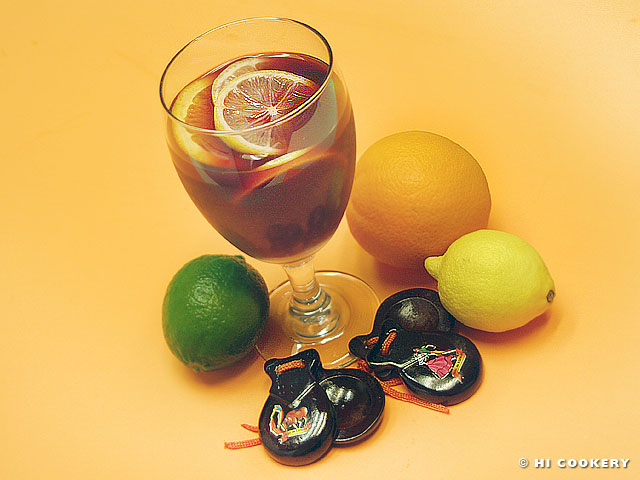
December 20: National Sangria Day
At a Spanish restaurant near our former New Jersey home, we tried a classic cocktail called Sangria for the first time. Islander got giddy but liked the libation’s fruity flavors because it tasted like a tropical fruit punch. Since then, we have sipped Sangria at other Spanish and Latin American restaurants but they were a bit too boozy. So when we make Sangria at home for a small crowd, we adjust the alcohol content that is mixed with the red wine. Whether serving Sangria from a pitcher or punch bowl, this Spanish drink adds a fiesta flair to a social gathering or holiday party. Olé for National Sangria Day!
Recipe
(Adapted from AllRecipes.com)
Ingredients
- 1 orange, sliced thinly
- 1 lime
- 1 lemon
- 1 – 1 ½ cups rum
- ½ cup sugar
- 1 cup orange juice
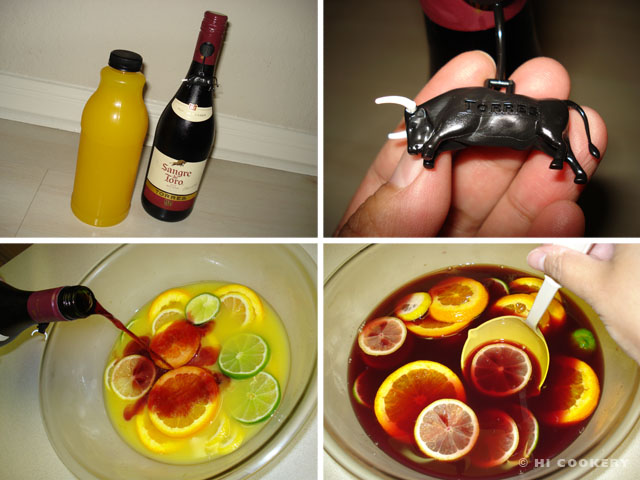
- 1 (750 milliliter) bottle dry red wine [we used Sangre de Toro (“bull’s blood”) brand Spanish red wine]
Directions
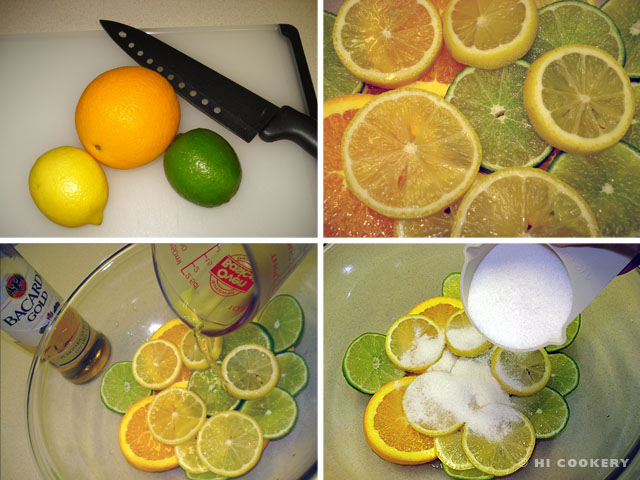
Prepare the citrus fruits by slicing them thinly. In a large glass bowl or pitcher, place the fruits and pour rum over them to soak. Sprinkle the sugar and mix well. Refrigerate for at least two hours to allow the flavors to mingle.
Before serving, crush the fruit lightly with a spoon. Pour in the orange juice and red wine. Mix well. Sample and adjust the sweetness with sugar to taste. Serve in wine glasses with the fruit.
Notes
- Sangria is derived from the Spanish word, sangre, which means blood, because the beverage gets its color from red wine. If white wine is used in the recipe, the drink is labeled specifically as White Sangria (sangria blanca). In Argentina and Uruguay, the latter is called Clerico instead of Sangria.
- This sangria recipe may be modified to one’s personal tastes. Other fruit, such as apples and strawberries, may be added. Brandy, seltzer or lemon-lime soda may be substituted for the rum. The amount of sugar may be adjusted (more or less). And a mix of orange liqueur (Grand Marnier or Triple Sec) may be used with the orange juice.
- Muchas gracias (thank you very much) to Lisa L. for the castanets in the photo above. She bought us some Spanish souvenirs when she went to Málaga on holiday.
« Previous Page — Next Page »
 HI COOKERY