01 January


Ube Bibingka

(Filipino Purple Yam Sweet Sticky Rice Cake)

January 1: New Year’s Day

Islander’s Auntie Laarni C., who once had a small catering business in Hawaii, would sometimes drop by our house to wish us a Happy New Year in person. Fortunately for the family, she would also bring her signature pancit palabok (noodles are a lucky new year food as they represent long life), lumpia (egg rolls or spring rolls in the winter months mean hope for the coming spring season) and bibingka (sweet sticky rice cakes are also auspicious, symbolizing luck “sticking” around in the new year). 

One year, she showed up with ube bibingka instead of the usual butter mochi cake. Auntie Laarni’s favorite color is purple—and Filipino purple yam yields a vibrant hue in the batter of this dessert. Now that she has grandkids, she no longer caters or cooks as much. So HI Cookery is continuing her tradition of making bibingka (sometimes with ube flavoring) for the new year. Happy New Year! Manigong Bagong Taon!

Recipe

(From Auntie Laarni C.)

Ingredients

  • 4 eggs
  • 2 cups milk
  • 1 can (13.5 ounces) coconut milk
  • 1 teaspoon vanilla
  • 2 teaspoons ube flavoring or extract
  • 1 box (16 ounces) sweet rice flour (mochiko)
  • 2 teaspoons baking powder
  • ½ teaspoon salt
  • 1 ½ cups sugar, granulated white
  • ½ cup unsalted butter, melted

Directions

In a medium bowl, stir together the eggs, milk, coconut milk and vanilla. 
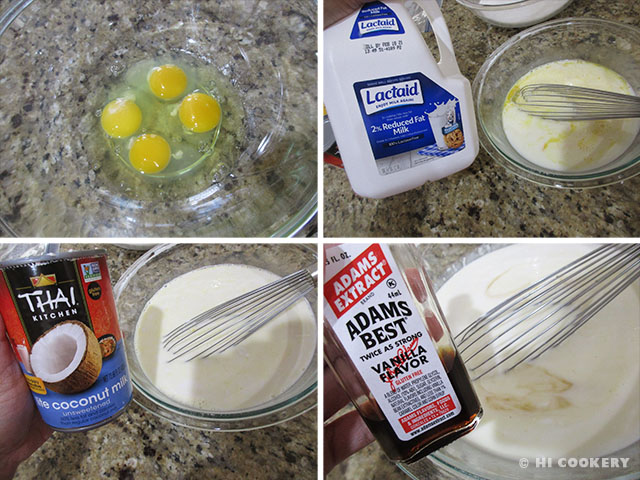
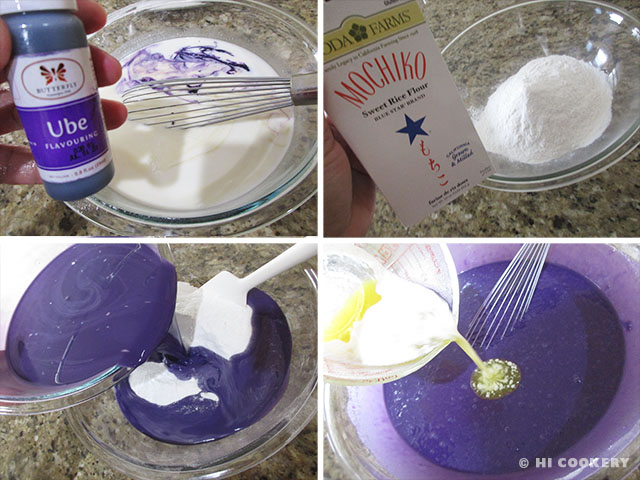
Add the flavoring/extract. In a large bowl, combine the mochiko, baking powder, salt and sugar. Pour the egg mixture into the flour mixture. Stir well until it is evenly bright purple. Add the melted butter. Mix well.
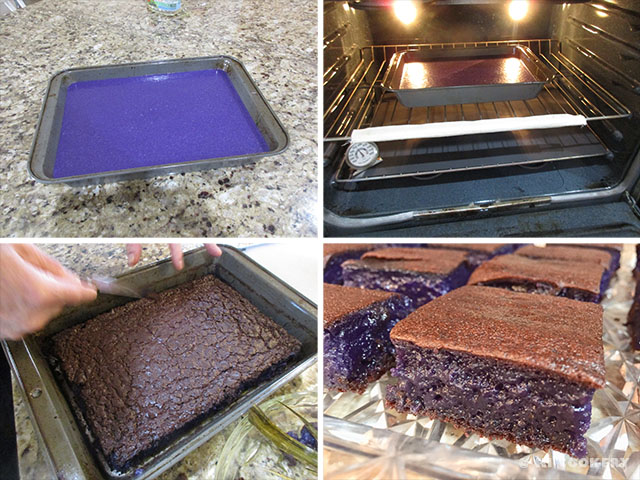
Pour into a 9×13 baking pan lined with parchment paper or oiled banana leaf. Bake in a preheated oven at 350 degrees F for 50-60 minutes or when the top is browned. Remove from the oven and let cool completely. Invert onto a cutting board. Peel off the parchment paper or banana leaf. Slice into squares and serve.
Notes

  • We sometimes line our baking pan with a clean banana leaf to give it a distinct flavor (Auntie L does this with her other Filipino baked goods).
  • Ube bibingka is similar to our baked poi mochi. Though both are made from root vegetables, ube is purple yam and poi is from taro. 
  • Search our blog for other New Year’s foods by clicking on the Theme Menus tab.

Elvis Sandwich

January 8: Elvis Presley’s Birthday (1935)

Islander’s Mommy is a huge Elvis Presley fan. She went to Graceland (twice!) when she was on a work trip in Tennessee and she has amassed a large plastic bin full of Elvis memorabilia (publication clippings, books, ornament figurines, keychains, etc.). Her beloved bin still sparks a lot of joy for her, and she says she will only part with those material items when she passes away. May God bless Mommy with many more years (born in 1942)!

As her birthday is in the same month as Elvis’s, we decided to have an Elvis themed birthday for her using the items in her plastic bin to decorate the table. We streamed-watched the “Elvis” movie together as a family. We took her to see the Elvis statue at the Blaisdell Center where he had his “Aloha from Hawaii” concert in 1973. And we cooked some of Elvis’s favorite foods to eat for her birthday, the most popular of which is the fried peanut butter and banana sandwich.

There are various versions of this sandwich, but it basically includes peanut butter and sliced bananas on buttered bread that is fried till golden brown. Some recipes include bacon (like ours—because, well, bacon just makes things better!). 

In honor of the “King of Rock ‘n Roll’s” birthday, we made the Elvis sandwich to celebrate Queen Mommy’s early birthday. Long live our Queen!

Recipe

Ingredients

  • 2 slices bread
  • Butter
  • Peanut butter
  • Bacon, cooked and sliced in half (optional)
  • Half banana, sliced into rounds (or lengthwise)

Directions

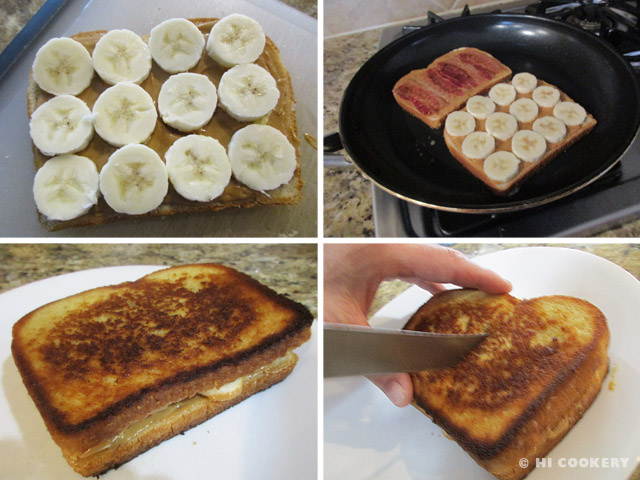
Generously butter one side of each slice of bread. On the other side, spread peanut butter. Cook and slice the bacon in half (if using). Slice the banana.

Arrange bacon and banana slices on top of the peanut butter. Heat a skillet on medium high. Place the bread slices on the skillet buttered side down. Cook till brown and crispy, around 3 minutes per side. Sandwich the bread together and transfer to a cutting board. Slice in half. Serve hot.

Notes

Damper

(Australian Bush Bread)

January 26: Australia Day

We have not had the opportunity to travel to the Land Down Under. But we have friends from there, although they live in New Jersey, where we met when we lived there for a while, too. Gary and Girlie B. even got married on Australia Day! Their wedding reception concluded with fireworks over Sydney’s Opera House (we saw their lovely photo album).

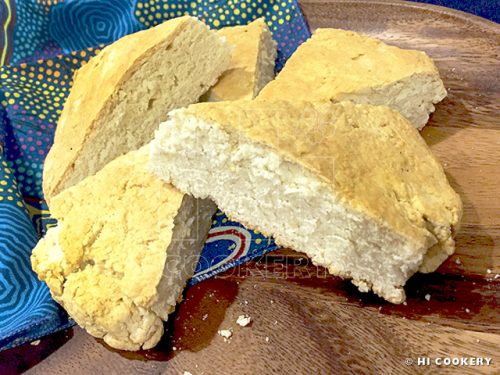
We still visit with each other occasionally and they give us nice Aussie souvenirs, such as the aboriginal cloth featured in our food photo above with a bush bread called “damper”. It is very rustic and simple, traditionally baked with coals in a campfire or oven by drovers, stockmen and swagmen who had bare basic provisions of food supplies in the outback. But damper is delicious hot out of the oven, with its crustry bits and crumbs, and smothered with a little butter or jam, although it is traditional to eat it with golden syrup.

For a quick way to celebrate Australia Day, bake a quick bread from the bush—a delightful damper!

Recipe

(Adapted from Australia’s Best Recipes)

Ingredients

  • 3 cups self rising flour
  • 1 teaspoon salt
  • 3 tablespoons butter, melted (see Notes)
  • 2/3+ cup milk (water is traditional)

Directions

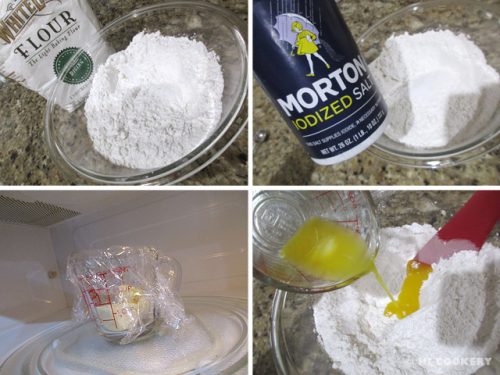
In a mixing bowl, combine the flour and salt. Melt the butter in the microwave and pour over the flour mixture.

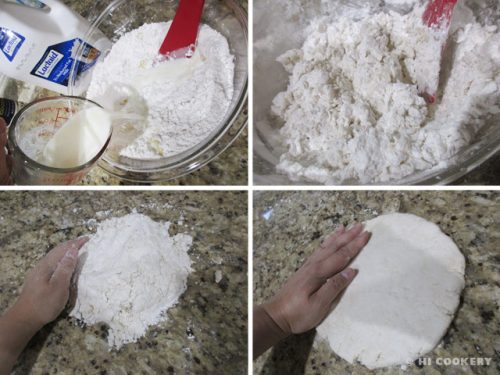
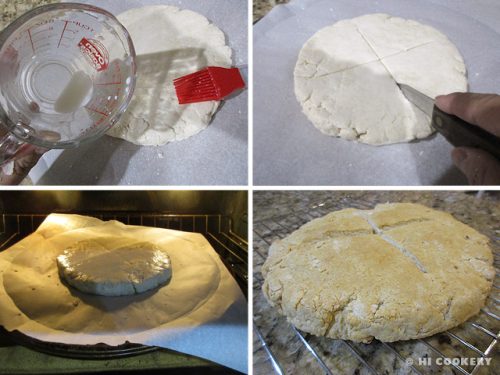
Stir in the milk, adding a little more if the dough is too dry and crumbling. Mix until it sticks together. Turn out dough onto a lightly floured surface and roll into a round ball. Avoid overworking the dough as it will get too tough. Flatten into a 7-8 inch disk (or leave as a mound shape).

Brush the top with a little extra milk to brown the top when baking. Score some deep lines (and “X” or 8 wedge marks) on the top. Place  on a parchment paper lined baking sheet. Bake in a preheated oven at 400 degrees F for 20-30 minutes, or until the bread makes a hollow sound when tapped on the bottom. Remove from the oven and transfer to a wire rack to cool slightly. Slice into wedges and serve. Eat warm with butter, jam, golden syrup or honey.

Notes

  • Some recipes suggest cutting up cold butter pieces and mixing cutting it into the dough with a pastry blender.
  • Feel free to sprinkle shredded cheese on top of the damper or experiment with different spices and flavorings in the dough.
  • Damper does not last for more than a day and is best eaten fresh as it hardens the following day.
  • Search for other bread and Australian recipes in our blog.

« Previous PageNext Page »