03 March


Pan di San Giuseppe

(St. Joseph’s Bread)
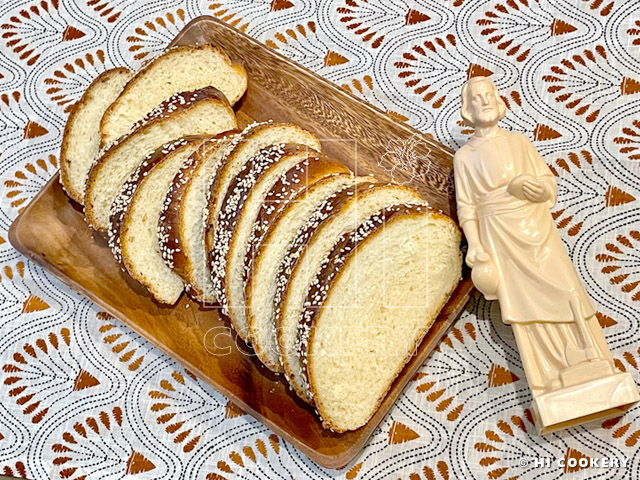
March  19: Feast Day of St. Joseph

St. Joseph’s Day is just two days after St. Patrick’s Day. The latter is a well-known Irish holiday, but St. Joe’s feast day is more popular to Italians, especially Sicilians. In the 1800s, the immigrants brought their traditions to New Orleans, Louisiana, and set up altars in honor of San Giuseppe. As Houston, Texas, is in close proximity, some churches around our town host Italian spaghetti fundraising dinners on the weekends closest to St. Joseph’s feast day. They also have ornate displays with fancy decorated desserts and breads on the altars.

We were inspired to bake a simpler bread at home as we learn more about Highlander’s patron saint. The crumbs and the sesame seeds represent the sawdust of St. Joseph’s carpentry trade.

This bread is a delicious way to observe St. Joseph’s feast day!

Recipe

(Adapted from Mangia Bene Pasta)

Ingredients

  • 2/3 cup milk, warmed to 105-115 degrees F
  • 1 package (¼ ounce / 2 ¼ teaspoons) yeast
  • 3 cups bread flour, divided use
  • ¼ cup sugar
  • 1 teaspoon salt
  • 2 tablespoons butter, unsalted and melted
  • 3 eggs, divided use
  • 1 teaspoon anise extract (or ½ teaspoon anise seed)
  • Sesame seeds

Directions

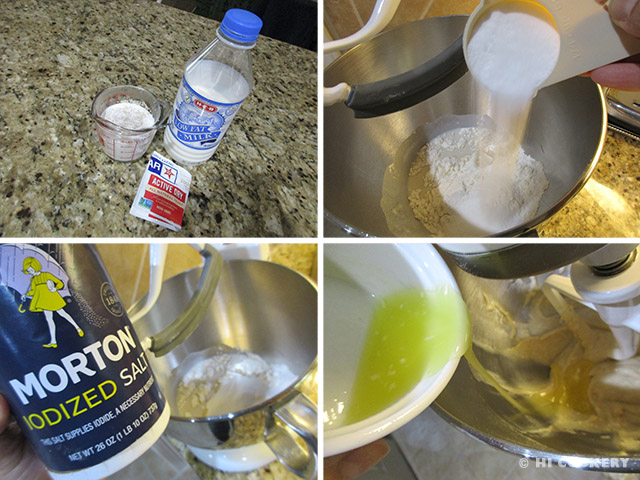
Bloom the yeast in the warm milk for around 10 minutes. Then pour it into a mixing bowl. Add one cup of flour with the sugar, salt and melted butter. Mix well using the paddle attachment.
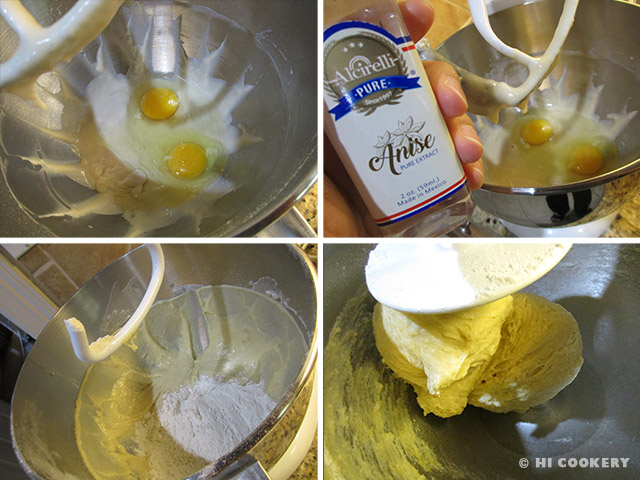
Add two eggs and anise plus another one cup of flour. Mix well. Stop the machine and change the paddle attachment to the dough hook. Gradually add the last cup of flour and mix until the dough comes together. 
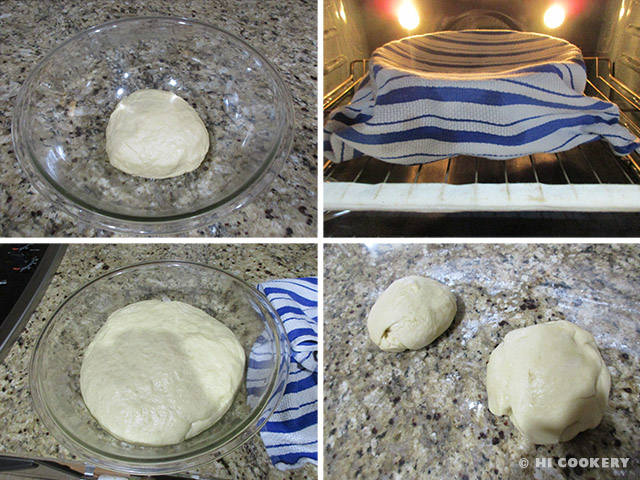
Transfer the dough to a large, greased bowl. Cover and let rise in a warm place for an hour until doubled in size. Dump the dough on a clean, floured surface and punch down. Divide in two. 
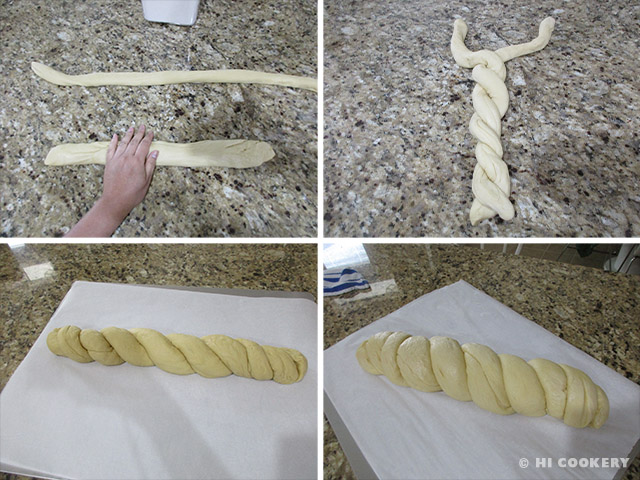
Roll each piece into a long rope (20-22 inches in length). Loosely twist/braid the ropes. Tuck the ends of the dough underneath itself. Carefully pick up the dough and place on a baking sheet lined with parchment paper. Cover again and let it rise for another house until doubled in size.
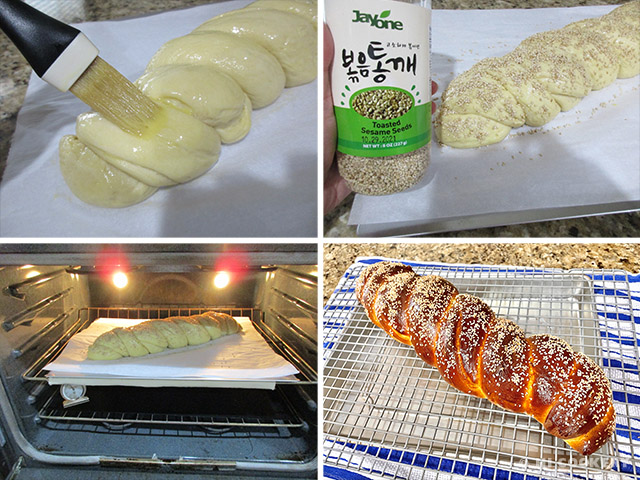
Beat the last egg with about a tablespoon of water. Brush onto the dough. Sprinkle sesame seeds all over. Bake in a preheated oven at 350 degrees F for 30-35 minutes. Remove from the oven and transfer to a wire rack to cool. Slice and serve.
Notes

Unleavened Bread

March/April: Holy Thursday/Maundy Thursday 

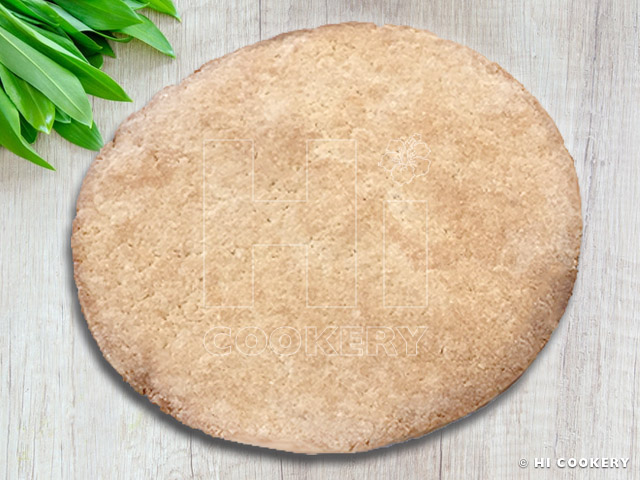
During the first year of the pandemic, we were unable to physically attend Holy Thursday mass and participate with fellow parishioners in communion. So during lockdowns we wanted a quick symbolic wafer to eat with a little wine at home while watching the livestream of the Eucharistic rites online. 

True unleavened bread only consists of flour and water (no leavening agent like yeast to make it rise), much like the fire cake recipe. But this recipe was suitable for our purposes for commemorating the Last Supper of Our Lord at home. It tastes like a not-so-sweet simple shortbread cookie. Smaller rounds may be cut from the dough so that all members of the family can partake with their own wafer.

Making unleavened bread is a great opportunity for family togetherness and a teachable moment about Jesus the Bread of Life, especially on Holy Thursday as Christians begin observing Paschal Triduum traditions.

Recipe

(Adapted from Catholic Cuisine)

Ingredients

  • 1 cup all purpose flour
  • 1/3 cup whole wheat flour
  • ¼ cup sugar
  • 5 tablespoons butter, chopped into small pieces
  • 4-5 tablespoons milk

Directions

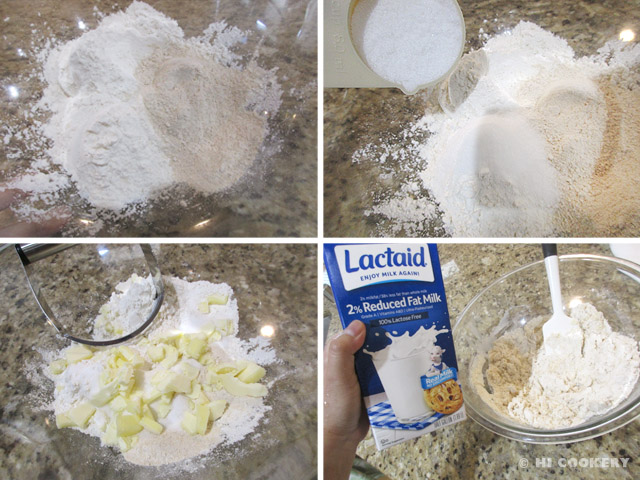
In a large mixing bowl, combine the two flour with the sugar. Add the butter and with a pastry blender and mix until incorporated. Add the milk to moisten the dough.

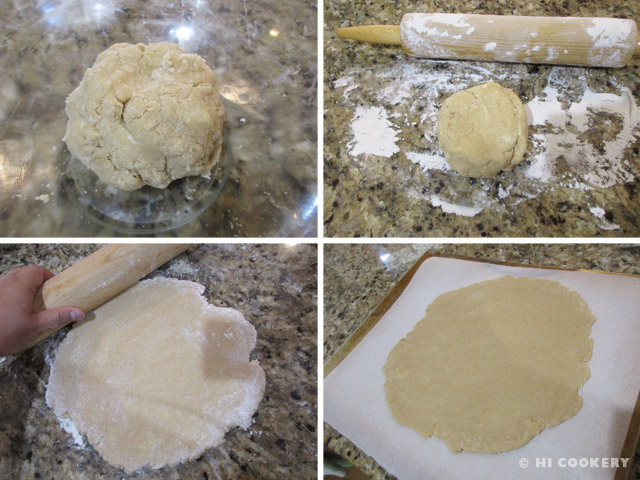
Knead until a dough sticks together and is well blended. Roll into a ball and place on a clean, lightly floured surface. Roll out to ¼ inch thickness. Place on a parchment paper over a baking sheet.

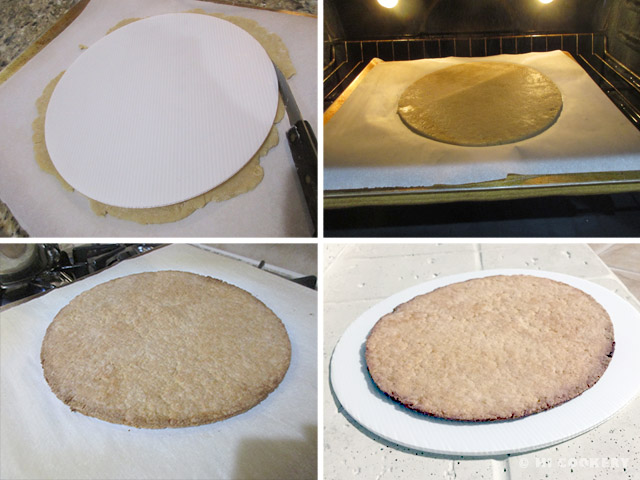
Use an 8-inch round board or plate and trace around to cut off edges. Bake in a preheated oven at 400 degrees F for 15-20 minutes. Remove and let cool. Break off pieces and serve with grape juice or wine.

Notes

Bruschetta

March 24: World Bruschetta Day

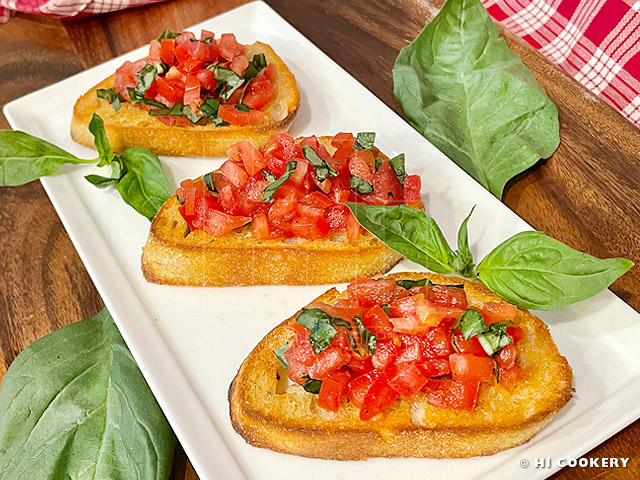
Islander’s former colleague, Luigi M. from Sardinia, would always bring bruschetta to work potlucks. The classic Italian antipasto (appetizer) is relatively easy to make with affordable ingredients. When assembled on a tray, the colors are very appealing. Luigi toasts bread slices and makes the tomato-basil topping at home. Then at the potluck, he puts the bread out on a tray with the topping in a separate bowl so people could help themselves. That way the bread does not get soggy when sitting out for a while.

Not only does Luigi like to share his cultural cuisine. He also likes to give a detailed background to anyone interested in listening to his long stories (Islander does not mind learning about what she is eating—true foodies want to know it all!). He even told her how to make it and how to say the name properly: bruce-KET-tuh (not brew-shetta).

World Bruschetta Day is the perfect time to make these easy Italian appetizers. Try these toasty tidbits with a tomato-basil topping today!

Recipe

(From Luigi M.)

Ingredients

  • 1 loaf Italian bread or baguette
  • extra virgin olive oil
  • salt and pepper to taste
  • 2-3 garlic cloves, cut in half
  • 1-2 Roma tomatoes, chopped
  • ¼ cup fresh basil leaves, chopped

Directions

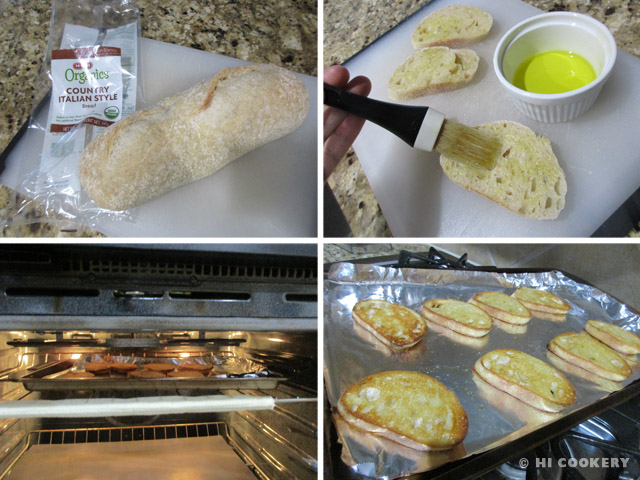
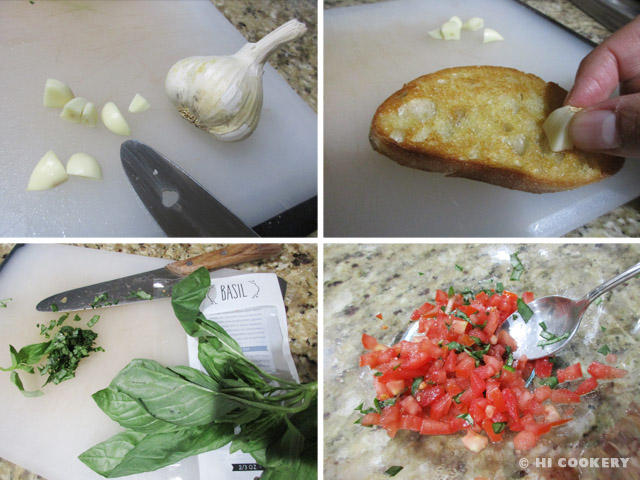
Place the oven rack near the top heating unit. Preheat the oven to 425 degrees F. Slice the bread about ½ inch thick (may be cut diagonally for wider space). Brush a little olive oil on both sides of the slices. Sprinkle some salt and pepper. Lay them flat on a rimmed baking sheet. Toast for 4-6 minutes or until lightly crisped and browned on the edges. Remove from the oven and cool slightly. Gently rub the cut garlic cloves over the top of the bread slice. Set aside.

Make the relish topping by chopping the tomatoes and basil leaves. Place them in a bowl. Sprinkle some salt and pepper. Let the flavors blend while the bread slices are baking in the oven. Arrange the bread slices on a platter. Spoon the relish on top of each slice. Serve immediately.

Notes

Next Page »