06 June


Herbes de Provence Sablés
June 10: National Herb and Spice Day

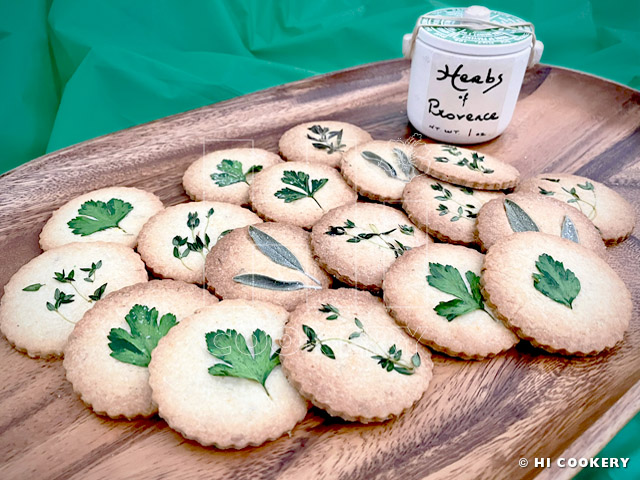
Islander’s culinary club challenged members to make something with herbs and spices for the meeting theme. While others made savories, she made sweets–cute cookies *literally* seasoned with herbes de Provence and decorated with parsley, sage and thyme leaves.

Herbes de Provence originated from the French Provençal region as an all-purpose seasoning. There are different variations of the dried herbal mix but most likely includes thyme, basil, rosemary, oregano, tarragon, marjoram, savory and bay leaves. 

Typically used to season meat, fish and vegetable stews, herbes de Provence are a unique ingredient to add to a lemony sablé (sandy shortbread) recipe. The decorated cookies, made in a “laminated” decorating technique, look eye-catching on the table, tastes delicious and are perfect for National Herb and Spice Day.

Recipe

(Adapted from Teatime Magazine)

Ingredients

  • 1 teaspoon herbs de Provence
  • 1/3 cup sugar, granulated white
  • ½ teaspoon salt
  • Zest of 1 lemon
  • ½ cup unsalted butter, softened
  • 1/3 cup powdered sugar
  • 1 egg yolk
  • 1 ½ cups flour, all purpose
  • Fresh herbs (parsley, thyme, sage, etc.)

Directions

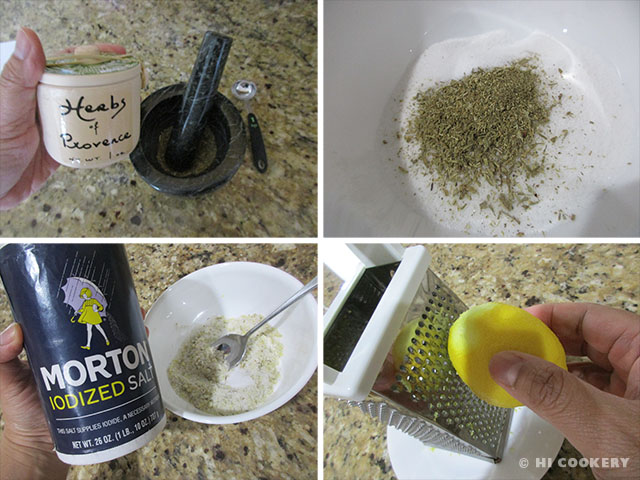
Use a mortar and pestle to ground the herbs de Provence finely. Transfer to a small bowl to mix with the sugar and salt. Add the lemon zest and incorporate well with the herbs mixture.
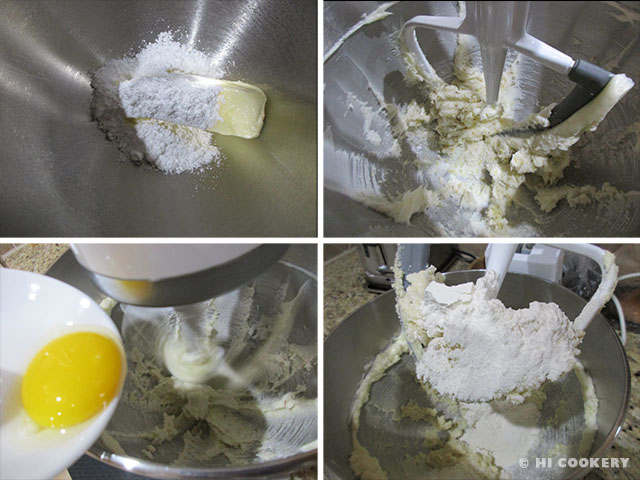
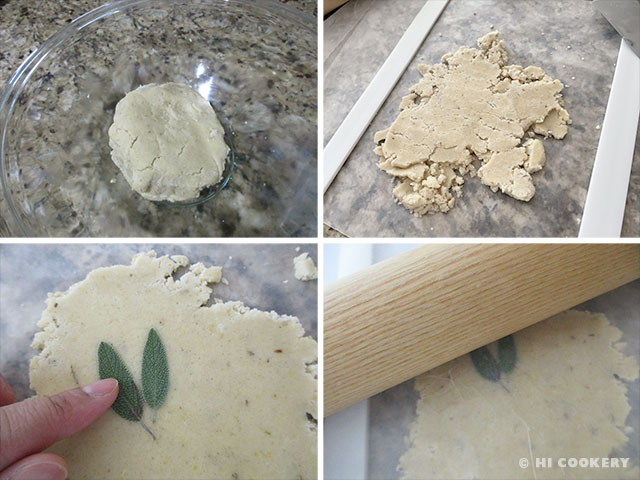
In a larger bowl, cream the butter with the powdered sugar, along with the herbs mixture. Beat in the egg yolk. Gradually mix in the flour until a dough starts to form. It will be a little crumbly so use hands to knead until it all sticks together.
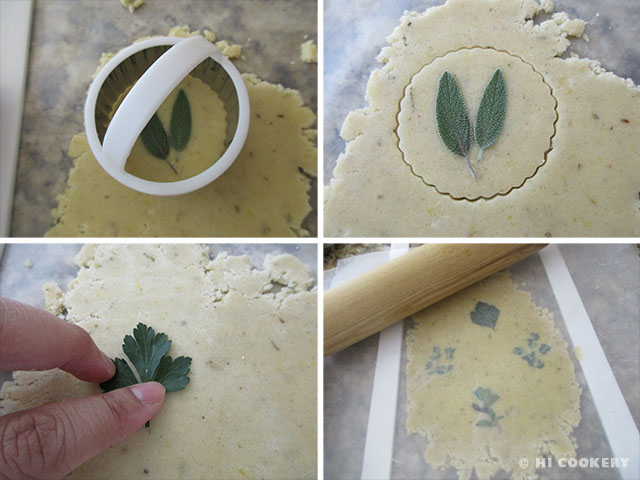
Roll out the dough on waxed paper to ½ inch thickness. Place pieces of herbs about 2-3 inches apart on top of the flattened dough. Place another piece of waxed paper on top and roll out to ¼ inch thickness, making sure that the herbs are pressed well into the dough.
Position a round, fluted cookie cutter and center it over the herb on the dough. Cut out the round shape and place on a parchment paper-lined baking sheet. Re-roll dough and continue cutting out the herbs in the center with the cookie cutter. 
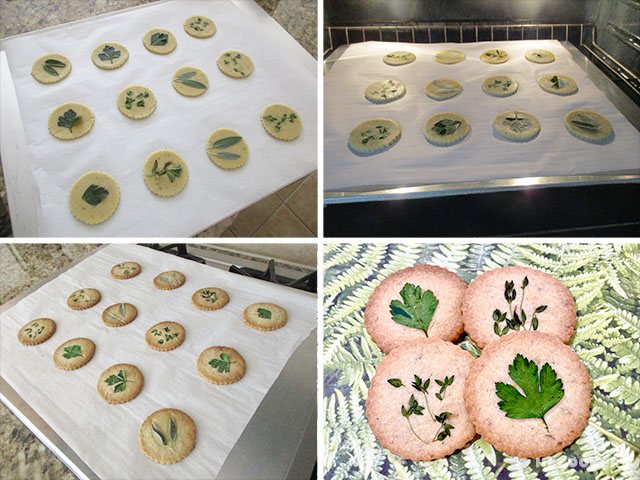
Space them about an inch apart from each other on the sheet. Bake in a preheated oven at 350 degrees F for 10-12 minutes or until the cookie edges are lightly browned. Remove from the oven and let cool completely. Arrange the cookies randomly on a platter to showcase the variety of herbs. Yield: Approximately 2-2 ½ dozen cookies.
Notes

  • We bought our herbes de Provence in a labeled jar at Williams-Sonoma (or Sur La Table?). We can’t remember exactly but it can be ordered online as well.
  • Rinse, clean and pat dry fresh herbs for “laminating” onto the cookies. We tried thyme, sage, parsley and found the latter easier to press and stay on the dough. A variety of other green herbs laminated on the cookies would look pretty on a plate.
  • We also serve our sablés at a garden tea party for a sweet Southern summertime treat.
  • Search our blog for more recipes containing herbs and spices.
Muhallebih

(Iraqi Milk Pudding)

June 1: World Milk Day

National Milk Day can be scary for Islander and those with dairy allergies. She must either avoid eating any milky, creamy or cheesy foods or take a lactase enzyme for her to tolerate them. Not wanting to miss out on this fun food holiday, she used a lactose-free and nut milk alternative to make a Middle Eastern dessert to post on our blog.

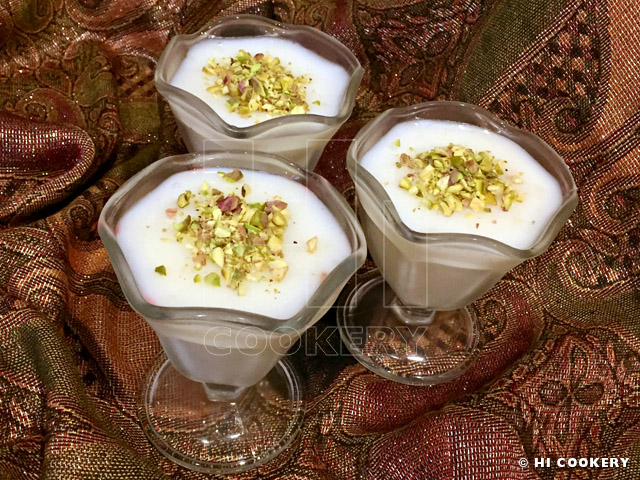
We have seen muhallebih (muhalabia) on the menus of the Middle Eastern restaurants we go to. But the real cow milk in these puddings scare away Islander from ordering them. To save her tummy and her money, she makes muhallebih at home with Lactaid or almond milk (whichever one we have readily available in our refrigerator). Cow milk has a fuller-bodied flavor than lighter nut milk in this recipe. Either way, this Iraqi milk pudding makes a quick, easy and refreshing dessert and is perfect for National Milk Day.

Recipe

(Adapted from Little Sunny Kitchen)

Ingredients

  • 2 cups milk
  • ½ cup sugar
  • 1 tablespoon rose water
  • 3 tablespoons cornstarch
  • Pistachios, chopped (optional garnish)

Directions

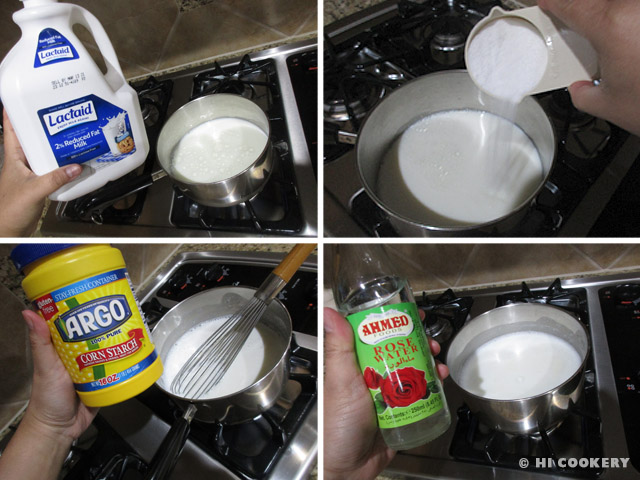
In a saucepan over medium heat, stir together the milk and sugar, being careful not to burn the bottom of the pan. Stir in the rose water.

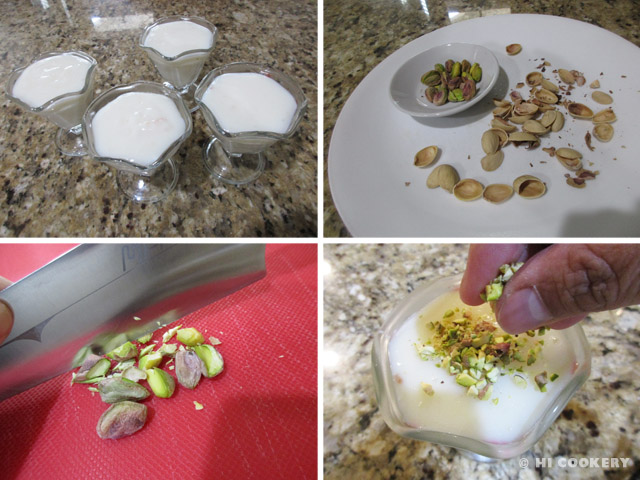
Add the cornstarch and continue to stir to thicken. Divide pudding into dessert cups. Let cool to room temperature before putting in the refrigerator to chill. Chop some pistachios and sprinkle over the pudding cups before serving cold.

Notes

  • This Iraqi milk pudding is similar to but simpler than Afghani milk pudding with fewer ingredients. This one does not have cardamom or saffron. 
  • Rose water may be substituted with orange blossom water, a typical ingredient found in Middle Eastern sweet recipes.

Scottish Sausage Rolls

June 5: National Sausage Roll Day

As the weather is warming up, more places are holding Scottish festivals and Highland games and gatherings. We enjoy reuniting with Highlander’s clan members as well as watching the dancers, musicians and athletes. We also like browsing through the marketplace for tartan wear or imported Scottish souvenirs. But the best part is grazing on shortbread, Scotch eggs, meat pies, fish and chips and sausage rolls (but sorry, not haggis for Islander). 

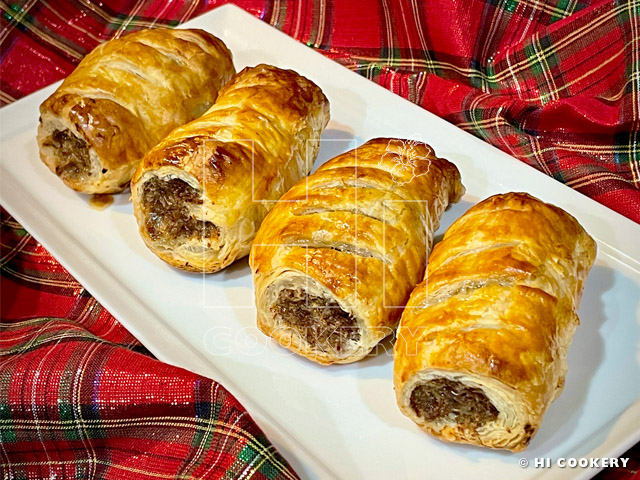
When we have a hankering for festival food at home, we would make sausage rolls because they are easy to make and freeze for later. Then we just bake them up hot for teatime, snack or cultural exchange meals. They are always a hit and sausage rolls do deserve their own holiday, like today: National Sausage Roll Day!

Recipe

Ingredients

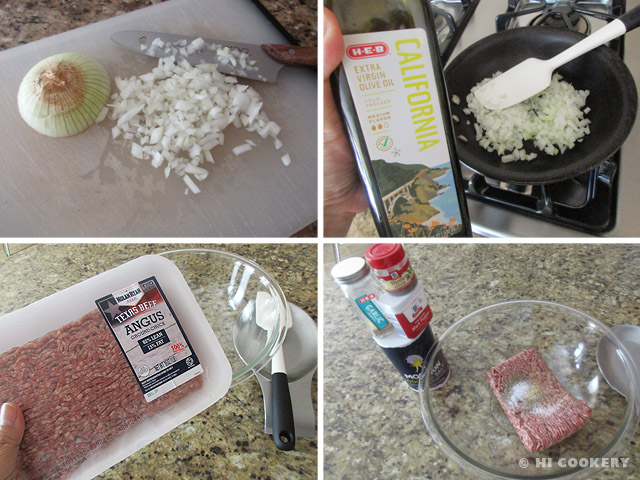
  • ½ cup onion, chopped
  • 1 teaspoon olive oil
  • 1 pound ground beef (we used Angus beef)
  • 1 teaspoon salt
  • ½ teaspoon black pepper
  • ½ teaspoon garlic powder
  • Pinch of dried thyme
  • flour
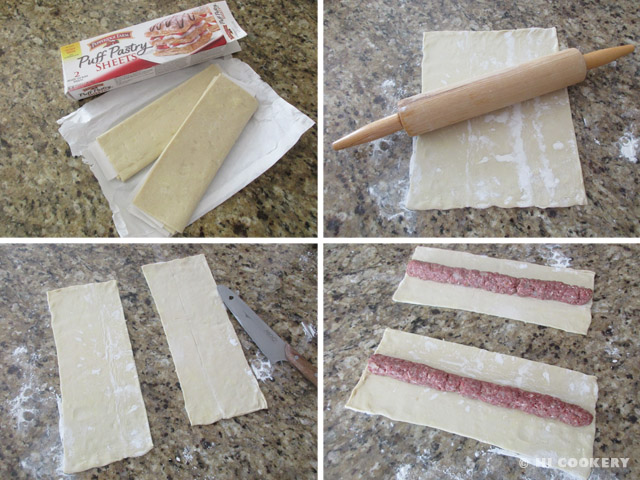
  • 1 package puff pastry/2 sheets (Pepperidge Farm brand), thawed
  • 1 egg beaten with 1 teaspoon water

Directions

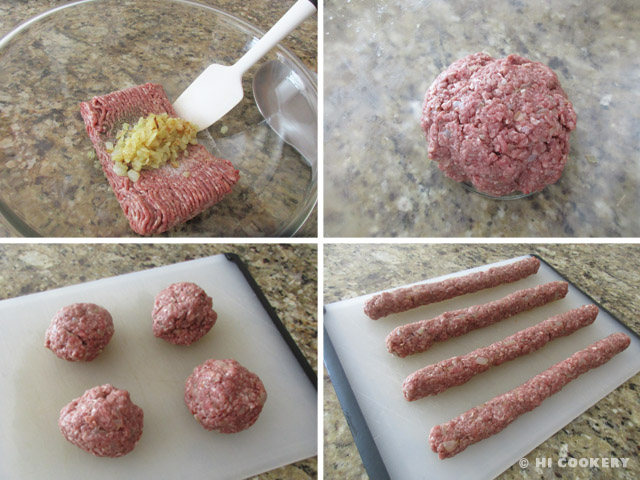
In a small skillet over medium high heat, saute the chopped onions in olive oil until softened, around 5 minutes. Set aside. In a large mixing bowl, crumble the ground beef. Season with salt, pepper, garlic powder and dried thyme. Stir in the cooked onions. Mix well.

Shape the meat mixture into a ball and divide into four quarters. Stretch and roll each portion out into a long piece, around 12 inches long.

Sprinkle a little flour on a clean work surface. Unfold one sheet of puff pastry. Pinch the seams where it was folded to make it smoother. Use a rolling pin to roll out the sheet to measure 10×12 inches. Cut in two halves to measure 5×12 inches. Place meat mixture in the middle of each puff pastry half sheet.

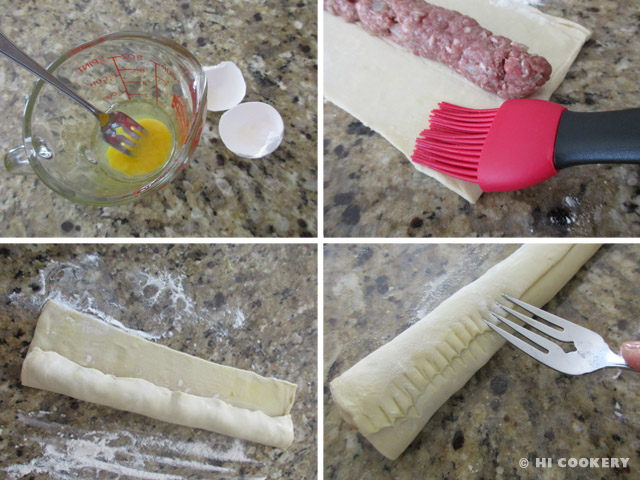
Brush the edges of the puff pastry with egg wash. Fold over and roll. Use the tines of a fork to seals the seams. Repeat with the other sheet of puff pastry.

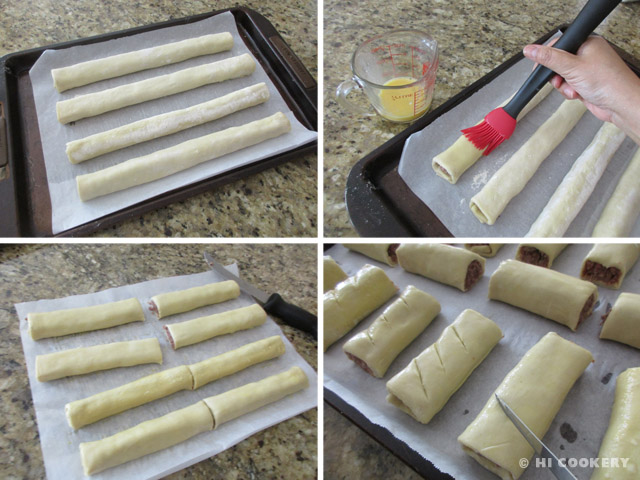
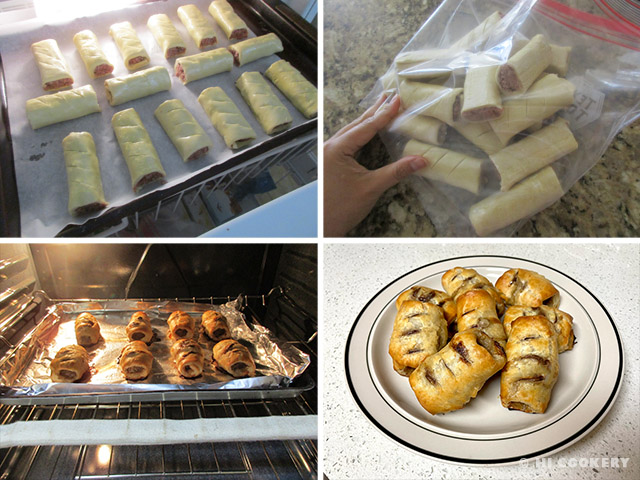
Lay all four of the rolled, meat-filled puff pastries on a baking pan lined with parchment paper. Brush egg wash on top. Slice each roll into four pieces for a total of 16 sausage rolls. Use a paring knife to cut small slits on top to vent.

Place the pan in the freezer and freeze until firm. Sausage rolls may be saved in a plastic zipper top bag until ready to cook. Preheat the oven to 400 degrees F. Line baking sheet with parchment paper. Place frozen sausage rolls on the prepared sheet at least 2 inches apart to allow for puffing up while baking. Bake for 20-25 minutes or until golden brown. Remove from the oven and let the sausage rolls rest for 5 minutes on the baking sheet. Transfer to a plate and serve hot.

Notes

  • Keep the puff pastry as cold as possible so they are not too stretchy and sticky. Cover the sheet when not working with it so it does not dry out.
  • Sausage rolls may be served with dipping sauces, such as HP Sauce or mustard. 
  • Thanks to Lady Kate G. and a few other members from Highlander’s clan who shared variations of their sausage roll recipes. We personally found that sauteing the onions and then adding them to the ground beef enhanced the flavor overall.

Next Page »