10 October


Tiramisu

Tiramisu

October: National Dessert Month

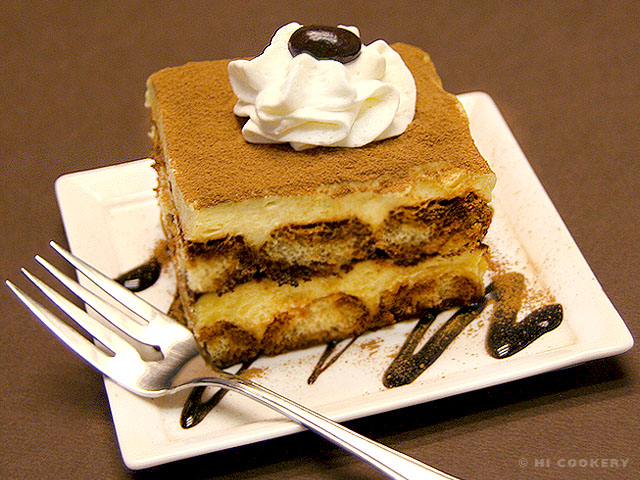
Tiramisu is a traditional Italian dessert that we always order at Italian restaurants in North America. So when we were able to visit Italy (Rome, Florence and Venice) a few years ago, we wanted to try the authentic treat. Whether we ate tiramisu simply sliced and served on a plate or from fancy shot glasses or classy cups, we savored the rich, creamy and potent dessert. With several shots of espresso flavor and sometimes sweet Marsala wine and brandy infused in the dessert, tiramisu really “picked us up” and we had enough energy to continue touring the Italian towns! This no-bake confection is like a cross between a cheesecake and trifle. For an impressive dessert, it is not as difficult to make as it seems. For National Dessert Month, try making traditional tiramisu to “pick you up” as the season turns into fall!

Recipe

(Adapted from Alessi Biscotti Savoiardi)

For the zabaglione cream

  • 5 egg yolks
  • ¼ cup sugar
  • ½ cup Marsala

For the cream filling

  • 1 cup heavy whipping cream
  • 4 tablespoons sugar
  • 2 cups mascarpone cheese

For the cookie base

  • 30 or more lady finger cookies (we used Alessi brand)
  • 1 – 1 ½ cup espresso or strong coffee, cooled
  • 1 tablespoon vanilla
  • ¼ – ½ cup brandy or Marsala (we used Cognac-brandy)
  • 1-2 tablespoons cocoa powder (we used Nestle brand)

For the optional garnish

  • Chocolate syrup or sauce (we used Hershey’s brand)
  • Whipped cream
  • Chocolate-covered coffee bean

Directions

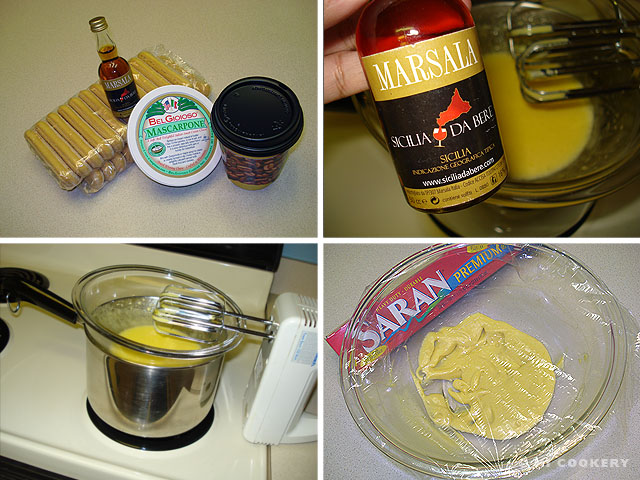
Make the zabaglione cream by beating the egg yolks with sugar in a bowl until the mixture turns to a pale yellow color. Place the bowl over a pot of boiling water (double boiler). Reduce the heat to simmer. Gradually add the Marsala, beating continuously until thick. Pour the mixture into another bowl, cover and refrigerate for half an hour.
Tiramisu

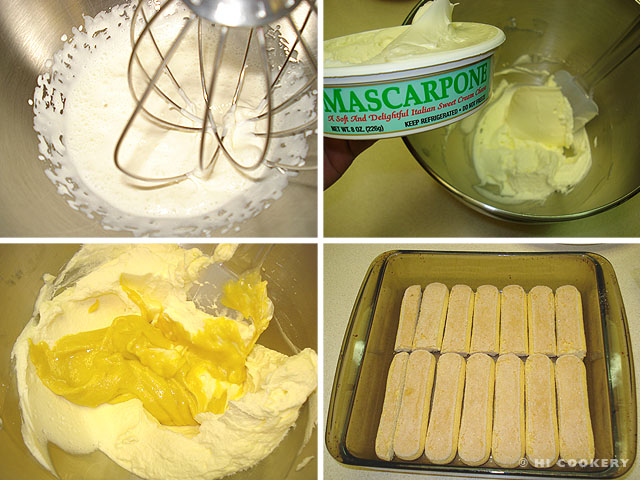
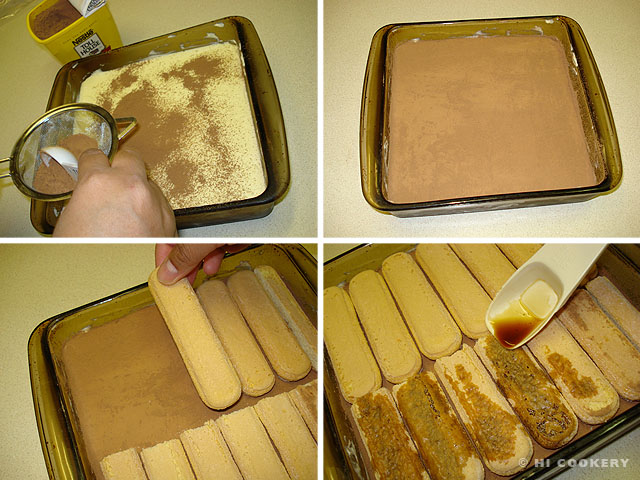
Meanwhile, make the cream filling. In a mixer, whisk the heavy whipping cream with sugar until stiff peaks form. Fold in the mascarpone cheese. Add the cooled and thickened zabaglione cream to the mixture. Blend until smooth and softened. Prepare the cookie base. In an 8x8x3-inch square pan, arrange the lady finger cookies in a row, slicing off pieces to fit, if necessary.
Tiramisu

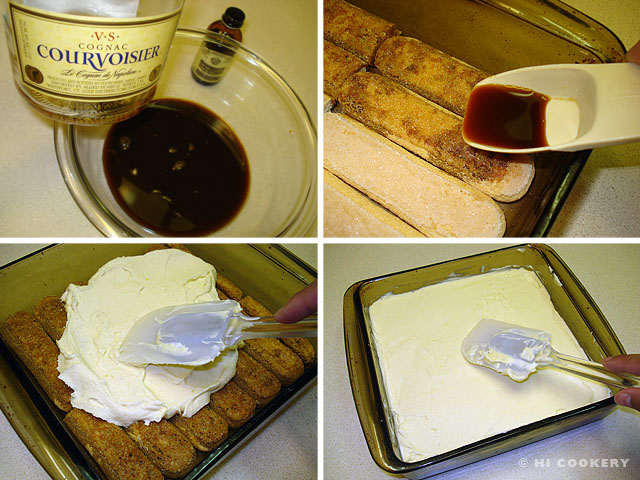
In a small bowl, mix the espresso or coffee with vanilla and brandy or Marsala. Pour a tablespoon of espresso/coffee mixture on top of each cookie to soak well (or dip each cookie in the bowl). Layer half of the chilled filling over the soaked lady finger cookies.
Tiramisu

Sprinkle the top with about one tablespoon of cocoa powder using a fine sieve. Repeat the process of arranging and soaking the cookies as the next layer.
Tiramisu

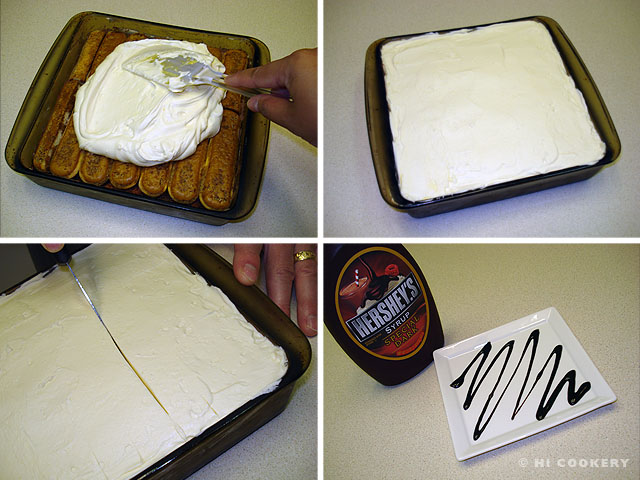
Finish with a layer of filling. Cover with plastic wrap and refrigerate overnight to allow the cookies to soften and the flavors to blend together. Serve by drizzling chocolate syrup/sauce on a dessert plate.
Tiramisu

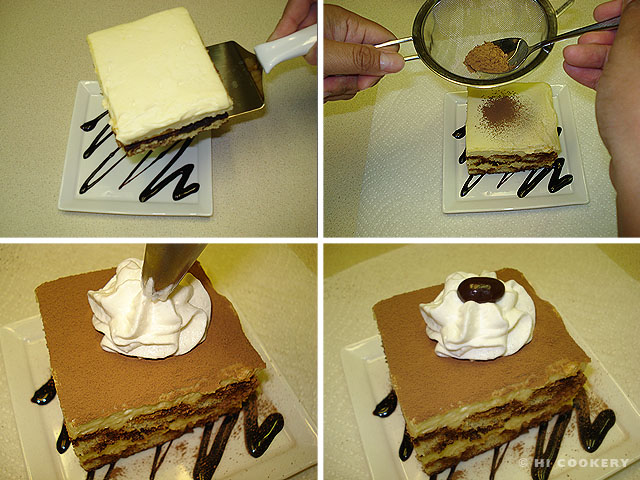
Put a slice of tiramisu on the drizzles. Sprinkle the top with cocoa powder using a fine sieve. Pipe a rosette of whipped cream on top and garnish with a chocolate-covered coffee bean. Cover any leftover tiramisu to prevent the lady fingers from drying out.
Tiramisu

Notes

  • Tiramisu is literally translated as “pick me up.”
  • Grazie (thank you) to Lisa L. for the Marsala from Sicily. She served on this Italian island as a U.S. naval reservist and bought a bottle of the booze for our blog!
  • Use half the amount or eliminate the Marsala in the zablagione cream for a less liqueur-tasting tiramisu.
  • For a similar mini-version of tiramisu, try the recipe for St. Roch’s Fingers, which we posted on our blog on the Feast Day of St. Roch on August 16.
Halibut with Garlic-Lime-

Cilantro Topping

Halibut

October: National Seafood Month

Just for the halibut, we took a weekend road trip from Kenai to Homer, “The Halibut Capital of the World,” when we were in Alaska one summer for Highlander’s work project. It was a misty day driving an hour and a half through the rustic countryside to a narrow strip of land jutting out into the Pacific Ocean. Homer is a sleepy little fishing town nestled along the Kenai Mountains overlooking Kachemak Bay. We were going to eat some seafood at the Salty Dawg Saloon, an historic cabin converted into an eatery, but it reeked of cigarette smoke. So we opted to breathe healthy air and stroll along toward the Boardwalk Fish & Chips restaurant, where we ordered our fresh fried halibut and ate it at a table beside a wide window with a gorgeous view of the glaciers and ocean.

Halibut is one of the milder-tasting, meaty white fish that we both like. So occasionally Islander buys some frozen fillets at our local grocer in Texas and cooks halibut with a garlic-lime-cilantro topping, which always brings back fond memories of our drive through Homer, Alaska. Try cooking this fish dish during National Seafood Month—or just for the halibut!

Recipe

(Adapted from Great Good Food by Julee Rosso)

Ingredients

  • 2 fillets of halibut (cod or other fish)
  • ¼ cup fresh-squeezed lime juice
  • 5 cloves of garlic
  • 2 tablespoons butter
  • 1 tablespoon olive oil
  • ¼ cup flour
  • ¼ cup panko (Japanese breadcrumbs)
  • 4 tablespoons cilantro, coarsely chopped
  • salt and pepper to taste

Directions

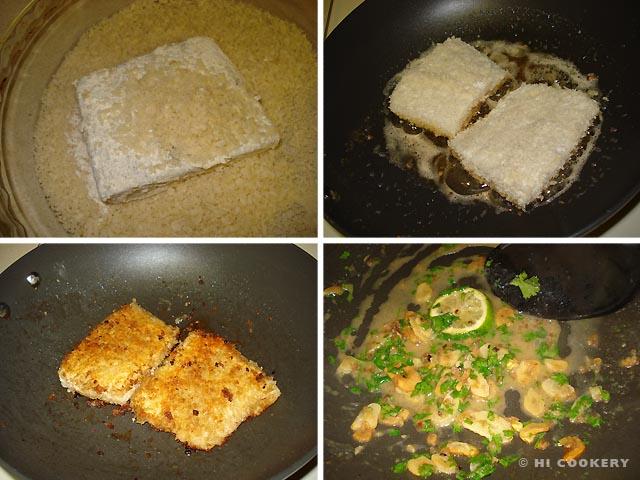
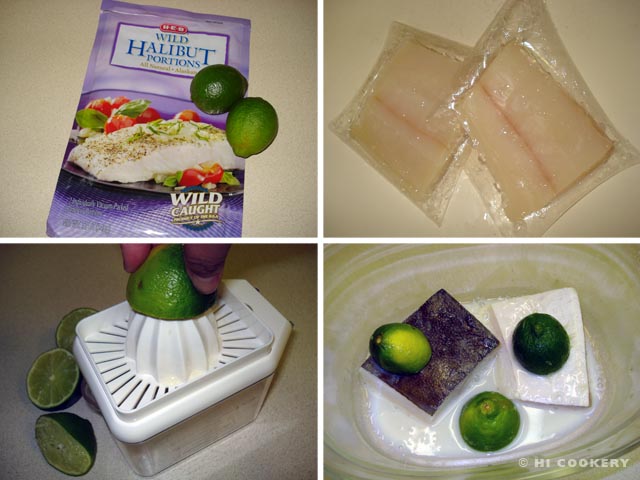
In a glass bowl, marinate the fish fillets in lime juice for an hour. Reserve a few slices of lime as a garnish.

Halibut

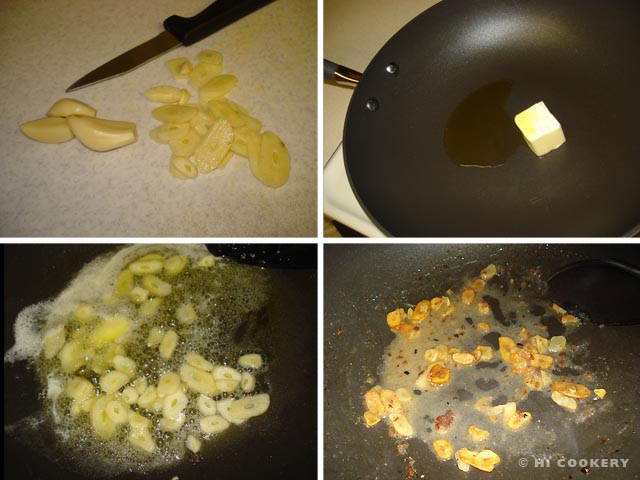
Peel and slice thinly the garlic cloves. In a skillet or wok, melt the butter with the olive oil. Saute the garlic slices until brown. Do not overfry or the dish will taste bitter. Remove the garlic slices and set aside.

Halibut

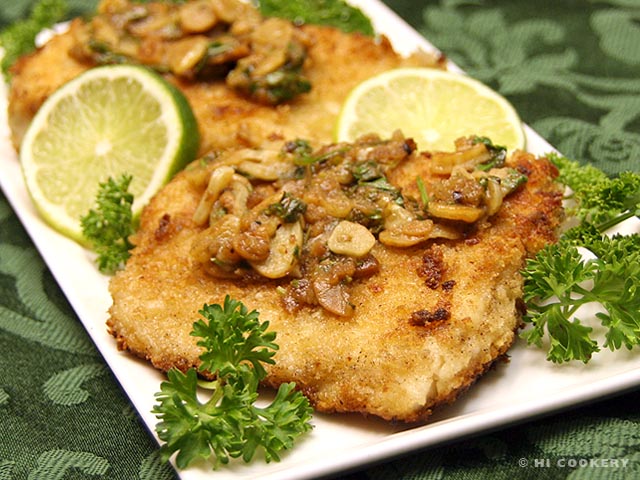
Take the fish fillets out from the marinade (reserve the juice) and dredge first in flour. Shake off the excess flour and coat the fish fillets in panko. In the same skillet or wok where the garlic slices were fried, place the fish fillets. Fry for about three minutes per side or until golden brown. Transfer to a heated platter to keep warm. Return the garlic slices to the skillet or wok. Add the reserved lime juice marinade. Stir in the cilantro. Season with salt and pepper. When the cilantro is slightly wilted, remove from the heat. Spoon some of the garlic-lime-cilantro on top of the fish fillets. Serve immediately with extra slices of lime.

Halibut

Notes

  • Search our blog for other Alaska-inspired recipes.

Pork Adobo

Pork Adobo

October: National Pork Month

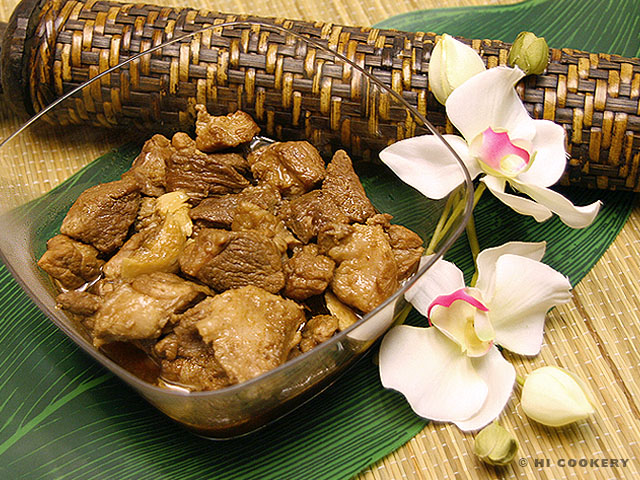
Islander’s maternal grandmother used to raise pigs in her homestead. Sometimes she would sell the whole hog at the marketplace or keep some of the swine to feed her family. Islander’s Mommy, the second of five children, learned how to prepare a simple pork dish, adobong baboy, a type of Filipino stew, from her mother and eventually passed on the easy recipe to her own daughter. Islander prefers the saucy-style over the dried-then-fried version so our blog recipe post features more liquid in our pork adobo. Cook it to commemorate National Pork Month or to feed Filipino friends and family!

Recipe

(Inspired by Grandmother and Mommy)

  • 1 pound pork (loin, belly, butt, stew meat or spare ribs)
  • 1 teaspoon oil
  • 2-3 cloves garlic, crushed
  • 1 cup water
  • ¼ cup vinegar (we used cane sugar vinegar)
  • ¼ cup soy sauce
  • 1 teaspoon peppercorn
  • 1 large bay leaf

Directions

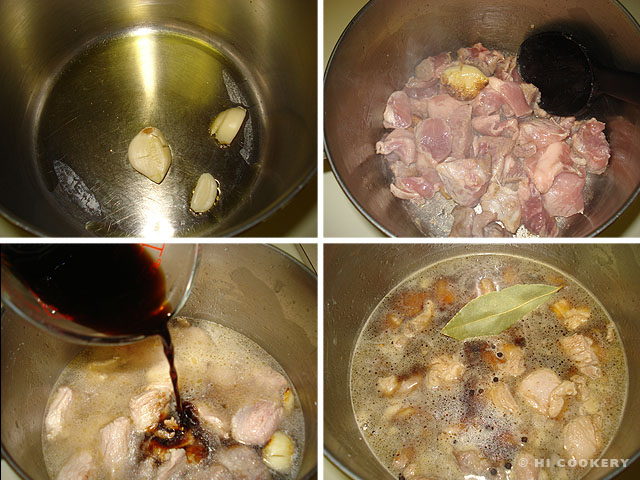
Cut the pork into bite-sized pieces. In a large saucepan, heat the oil and saute the garlic for a few minutes, being careful not to burn the cloves or the dish will become bitter. Add the pork pieces and cook until brown. Pour in the water, vinegar and soy sauce. Bring to a boil, then lower the heat to simmer. Add the peppercorns and bay leaf. Cover the saucepan and cook for 30 minutes or until the pork is tender. Discard the garlic, peppercorns and bay leaf. Serve the pork adobo with hot, steamed white rice.

Pork Adobo

Notes

  • Some of our Filipino friends have different versions of pork adobo. Islander’s aunts would just add all the ingredients in the sauce pan, then transfer the cooked pork pieces to a skillet and fry them for a little crispness. Another friend, Girlie B., substitutes a can of coconut milk for the water for a more fragrant stew. And our kumare Cherlyn B. combines chicken with the pork in her adobo.
  • Beware that the vinegar aroma does permeate throughout the house while cooking this dish!

« Previous PageNext Page »