Shrimp on the Barbie

January 26: Australia Day

Before they started their family, our awesome Aussie friends Gary and Girlie B. were our double date couple in New Jersey. We would often go out to dinner and a movie together. Then when their boys were born a year apart, date nights became family weekends at their house. We would bring sides and sweets and Gary would throw some “shrimp on the barbie” (barbecue/grill). It does seem stereotypical, but this is everyone’s favorite shellfish and is relatively simple to make. The buttery herb marinade adds a little flavor to the grilled shrimp and Gary and Girlie’s sons thought any food on a stick seemed more special. Good friends, good food, good times! Celebrate Australia Day with some shrimp on the barbie.

Recipe
(Adapted from The Spruce Eats)

Ingredients

  • 1 ½ pounds large/jumbo shrimp, peeled and deveined, tails intact
  • ½ cup butter, melted
  • ¼ cup olive oil
  • 1 tablespoon each of chopped fresh herbs: parsley, thyme and cilantro
  • 1 tablespoon shallot, minced
  • 3 garlic cloves, minced
  • 1 lemon, cut in half
  • Salt and pepper to taste

Directions

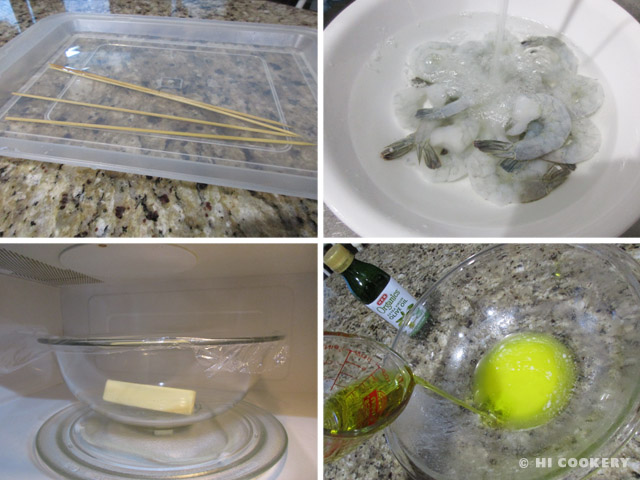
In a shallow dishpan, soak the wooden skewers, if using instead of metal skewers. Wash the shrimp and pat dry with paper towels. Set aside. Melt the butter in a large microwave-safe bowl. Stir in the olive oil.

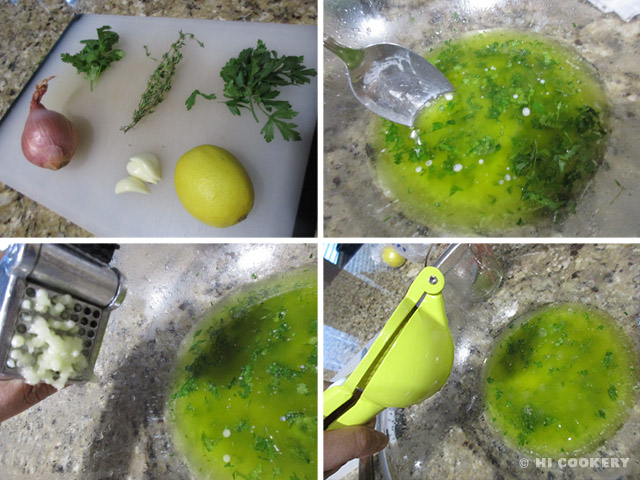
Chop the herbs and mince the shallot and garlic cloves. Add to the butter-oil mixture. Cut one lemon in half and squeeze the juice into the bowl (reserve the other half as a garnish).

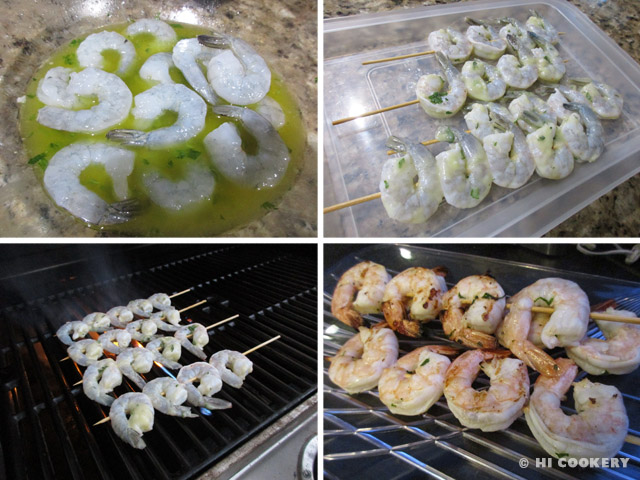
Stir then add the shrimp. Marinate for 15 minutes at room temperature of 30 minutes in the refrigerator. Preheat the grill. Thread some shrimp onto the skewers and grill on one side for 2 minutes. Turn and finish grilling the shrimp on the other side for another minute or 2. Transfer to a platter. Serve hot with slices or wedges or remaining lemon.

Notes

  • Happy anniversary to Gary and Girlie B. who were married on Australia Day. Girlie said it was cheaper to have their wedding on a weekday back in 1997! Plus, since it was a national holiday, they got fireworks for free under the Sydney skies. What a celebration of love and country.
  • Search our blog for other Australian-inspired recipes under the A-F countries recipes tab.

Fakes Soupa

(Greek-Style Lentil Soup)

January 6: National Bean Day

We blogged before about a Syrian lentil soup with lemon recipe from Highlander’s colleague, Sol. S. This one is from Islander’s former classmate, A.W., who shared a Greek-style recipe called “fakes soupa”. Green lentils are simmered with carrots, celery and onions in a vegetable broth seasoned with oregano, an herb commonly found in the Mediterranean region. This lucky lentil dish is great for those who have resolved to eat healthier in the new year as well as for those who want to eat legumes on National Bean Day.

Recipe

(From A.W.)

Ingredients

  • 3 cups green dried lentils, rinsed and drained
  • 2 tablespoons olive oil
  • 1 small onion, chopped
  • 2 cloves garlic, minced
  • 2 carrots, peeled and diced 
  • 2 celery stalks, diced 
  • 4 cups vegetable stock
  • 2 cups water
  • 4 bay leaves
  • 2 tablespoons fresh parsley, chopped
  • 2 teaspoons oregano, dried
  • Salt and black pepper to taste
  • 2 tablespoons red wine vinegar

Directions

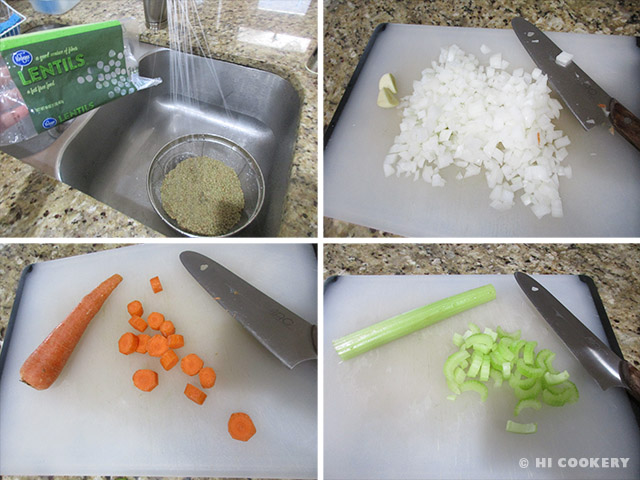
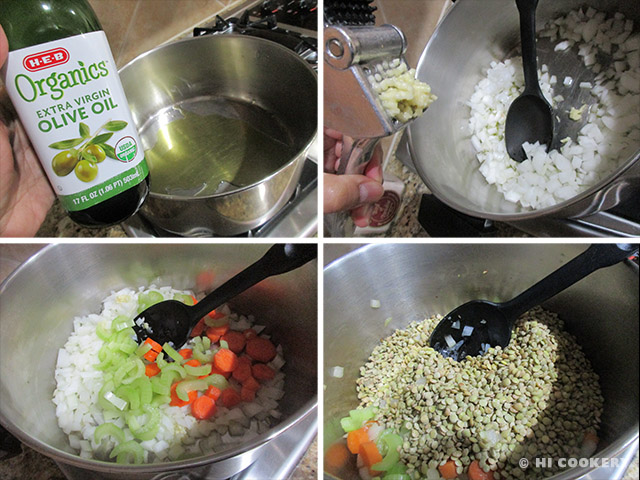
Rinse and drain the dried green lentils in a colander. Set aside. Chop the onions, peel and dice the carrots and chop the celery stalks.

In a large pot, heat olive oil over medium heat. Add the onions, garlic , carrots and celery. Saute until softened (around 5 minutes). Add the green lentils.

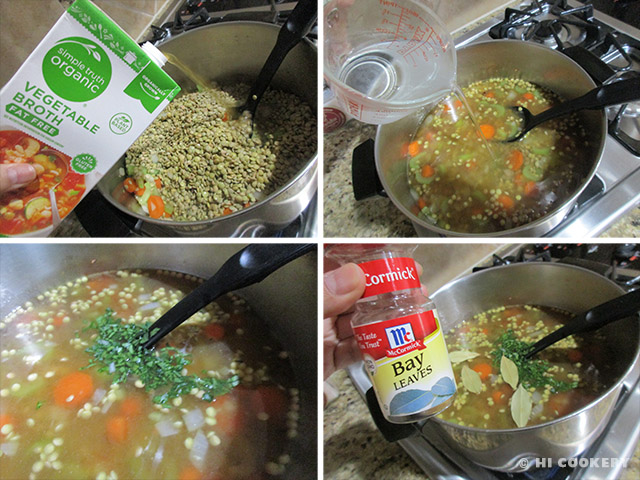
Pour in the vegetable stock and water. Stir in the parsley and bay leaves.

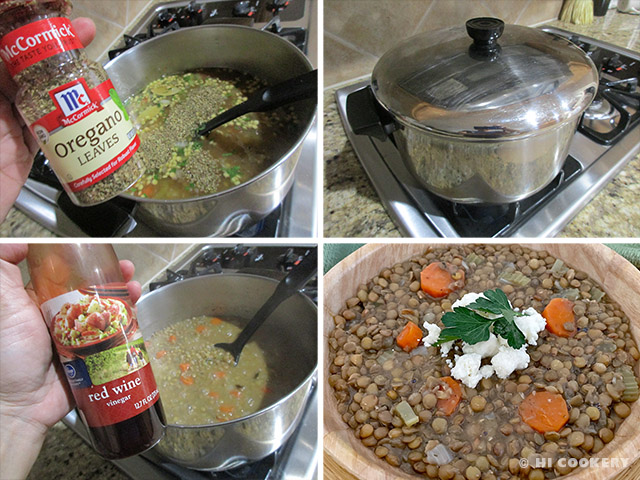
Season with oregano, salt and pepper. Turn the heat to medium low, cover the pot and simmer for 45 minutes. Add a cup or two of water if the lentils absorbed the liquid. Cover, cook for 5 more minutes and adjust salt and pepper seasoning. Uncover and stir in the red wine vinegar. Ladle into soup bowls and serve hot.

Notes

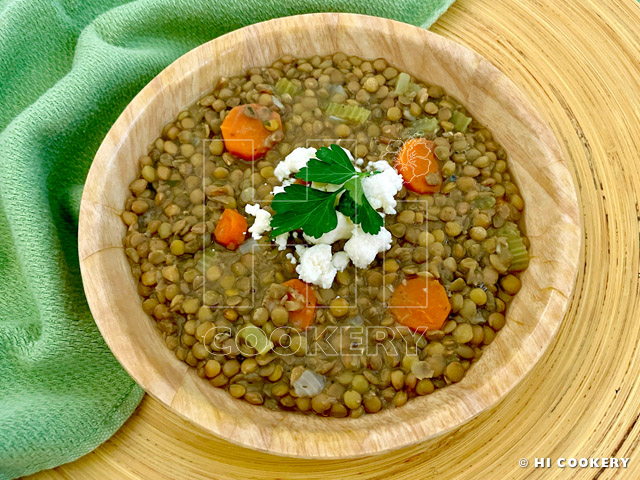
  • Garnish this lentil soup with feta cheese and parsley.
  • While lentils and beans are used interchangeably, there are slight differences between the two legumes. Learn more about them here.
  • Look for other legume and bean recipes by searching our blog.

Ube Bibingka

(Filipino Purple Yam Sweet Sticky Rice Cake)

January 1: New Year’s Day

Islander’s Auntie Laarni C., who once had a small catering business in Hawaii, would sometimes drop by our house to wish us a Happy New Year in person. Fortunately for the family, she would also bring her signature pancit palabok (noodles are a lucky new year food as they represent long life), lumpia (egg rolls or spring rolls in the winter months mean hope for the coming spring season) and bibingka (sweet sticky rice cakes are also auspicious, symbolizing luck “sticking” around in the new year). 

One year, she showed up with ube bibingka instead of the usual butter mochi cake. Auntie Laarni’s favorite color is purple—and Filipino purple yam yields a vibrant hue in the batter of this dessert. Now that she has grandkids, she no longer caters or cooks as much. So HI Cookery is continuing her tradition of making bibingka (sometimes with ube flavoring) for the new year. Happy New Year! Manigong Bagong Taon!

Recipe

(From Auntie Laarni C.)

Ingredients

  • 4 eggs
  • 2 cups milk
  • 1 can (13.5 ounces) coconut milk
  • 1 teaspoon vanilla
  • 2 teaspoons ube flavoring or extract
  • 1 box (16 ounces) sweet rice flour (mochiko)
  • 2 teaspoons baking powder
  • ½ teaspoon salt
  • 1 ½ cups sugar, granulated white
  • ½ cup unsalted butter, melted

Directions

In a medium bowl, stir together the eggs, milk, coconut milk and vanilla. 

Add the flavoring/extract. In a large bowl, combine the mochiko, baking powder, salt and sugar. Pour the egg mixture into the flour mixture. Stir well until it is evenly bright purple. Add the melted butter. Mix well.

Pour into a 9×13 baking pan lined with parchment paper or oiled banana leaf. Bake in a preheated oven at 350 degrees F for 50-60 minutes or when the top is browned. Remove from the oven and let cool completely. Invert onto a cutting board. Peel off the parchment paper or banana leaf. Slice into squares and serve.

Notes

  • We sometimes line our baking pan with a clean banana leaf to give it a distinct flavor (Auntie L does this with her other Filipino baked goods).
  • Ube bibingka is similar to our baked poi mochi. Though both are made from root vegetables, ube is purple yam and poi is from taro. 
  • Search our blog for other New Year’s foods by clicking on the Theme Menus tab.