Gelatina de Rompope

(Mexican Egg Nog Gelatin)
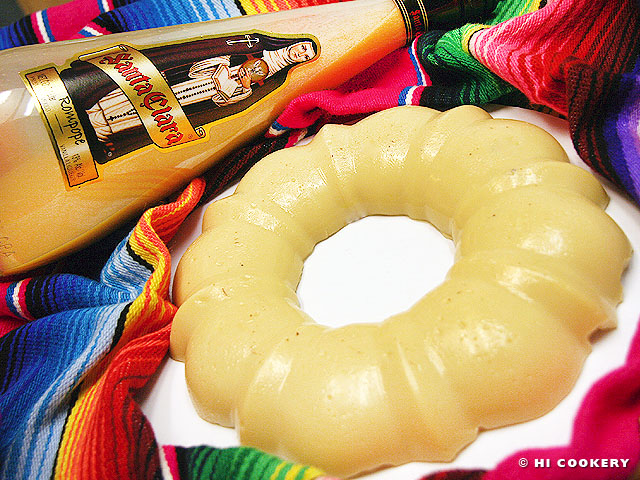
Rompope Gelatin

December 24:
National Egg Nog Day

When we attend prayer gatherings for the Feast Day of Our Lady of Guadalupe (December 12) or go to Las Posadas at friends’ homes in South Texas, we contribute traditional Mexican desserts for the occasion. Mexican wedding cookies or flan are popular requests but sometimes we bring another seasonal sweet, such as gelatina de rompope, a Mexican-style gelatin made of spiked egg nog.

Rompope is believed to have originated in the convents of St. Claire (Santa Clara) in the city of Puebla, Mexico, during the 17th century. The word is derived from “rum,” which is the alcoholic ingredient found in Mexican egg nog.

Get into the holiday “spirit” with gelatina de rompope on National Egg Nog Day, which is also the last day of Las Posadas and Christmas Eve. ¡Salud!

Recipe

(Adapted from Festive Fever)

Ingredients

  • 1 cup milk
  • ¼ cup sugar, granulated white
  • 1-2 cinnamon sticks
  • ½ teaspoon baking soda
  • 1 ½ packets unflavored gelatin (we used Knox brand)
  • 1/3 cup water, cold
  • 1 cup rompope (we used Santa Clara brand)
  • ½ cup heavy whipping cream

Directions

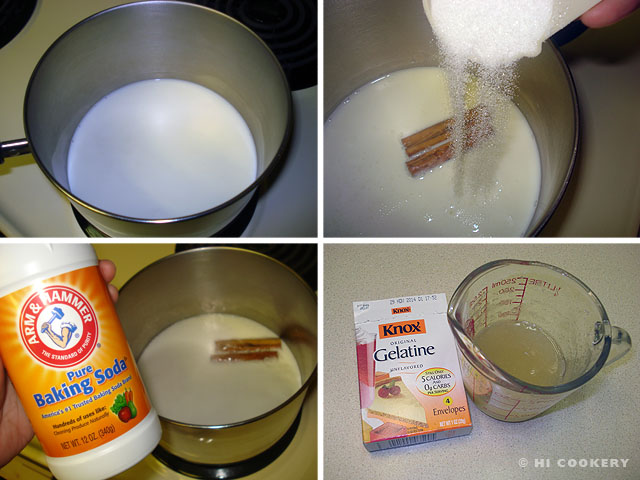
In a saucepan, boil the milk over medium heat. Remove from the stovetop and mix in the sugar, cinnamon sticks and baking soda. Dissolve the gelatin in cold water. Stir into the milk mixture until well blended.
Rompope Gelatin

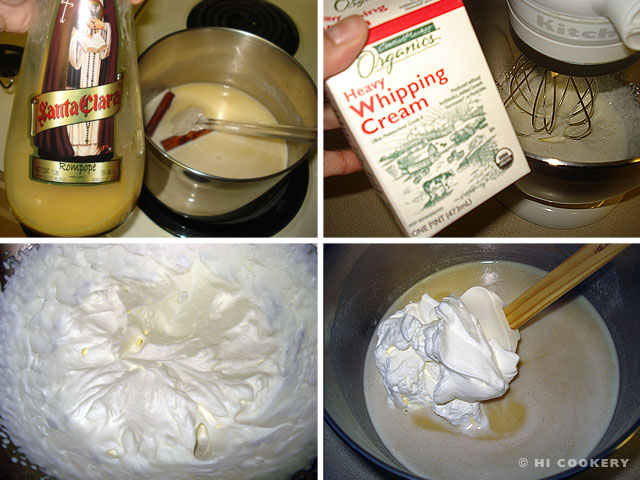
Add the rompope. Set aside to cool slightly. Discard the cinnamon sticks. In a large mixing bowl, beat the whipping cream until stiff peaks form. Fold into the milk mixture.
Rompope Gelatin

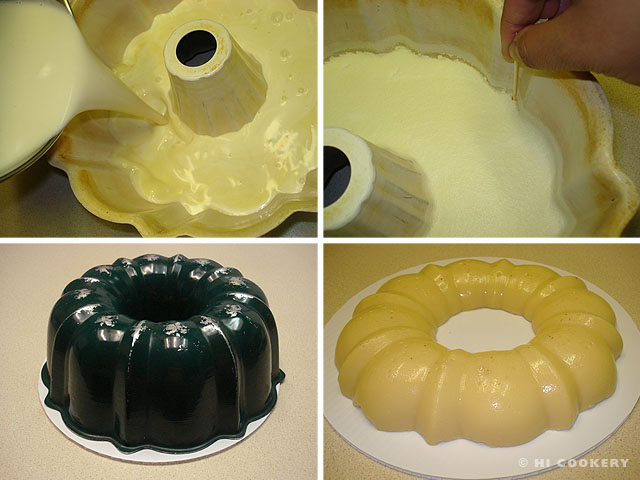
Pour into a lightly-greased gelatin mold (all we had was a bundt pan). Refrigerate for at least 3 hours or until firm. Gently loosen the sides with a tootpick. Carefully invert onto a plate. Return to the refrigerator until ready to slice and serve.
Rompope Gelatin

Notes

  • The gelatin may be poured into individual ramekins or dessert cups.
  • Fresh seasonal fruits/berries may be added to the center of the gelatin.
  • Feliz Navidad to all our blog readers from us at HI Cookery!
Mayan Chocolate Sparklers

Mayan Chocolate Sparklers

December 21, 2012:
End of the Mayan Long-Count Calendar (Doomsday)

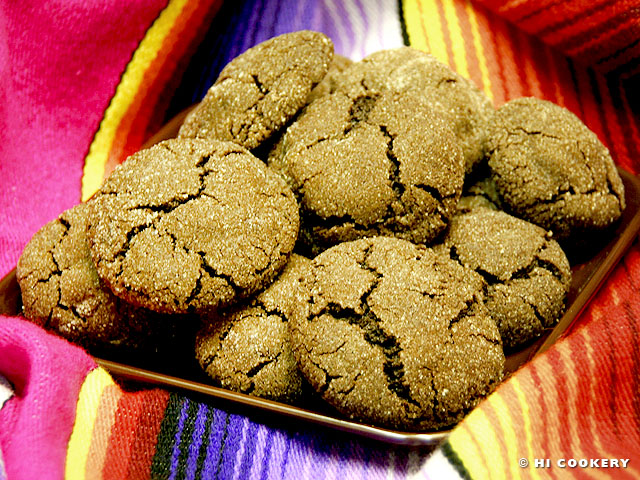
If you are reading this blog post, then the world did not end, as predicted by the Mayan calendar. So celebrate your survival with Mayan Chocolate Sparklers! These cookies have cracks resembling earthquake fault lines and include a sprinkling of peppers for a flavor burst symbolic of a volcanic eruption. Made with traditional Mesoamerican ingredients, such as chocolate and cinnamon, Mayan Chocolate Sparklers are the perfect doomsday dessert. For an apocalpytic appetite, eat these cataclysmic cookies and “party like there’s no to-Maya!”

Recipe

(Adapted from Robin Hood Foods

For the cookies

  • ¾ cup vegetable shortening
  • ½ cup (1 stick) butter, softened
  • ¾ cup sugar, granulated white
  • ¾ cup brown sugar, packed
  • 2 eggs
  • 1 ¾ cup flour
  • 1 cup cocoa powder
  • ½ – 1 tablespoon ground cinnamon
  • 2 teaspoons baking soda
  • ¼ teaspoon ground black pepper
  • pinch (or to taste) cayenne pepper
  • 1 cup semi-sweet chocolate chips

For the topping 

  • ½ cup sugar, granulated white
  • 1 teaspoon ground cinnamon

Directions

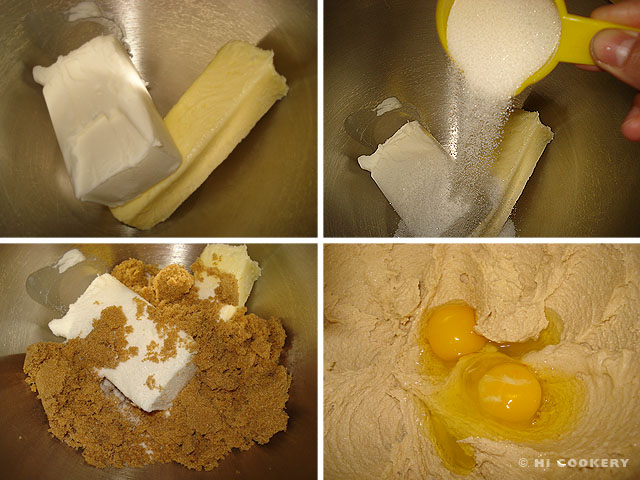
In a large mixing bowl, cream the shortening and butter with the sugars. Beat in the eggs.

Mayan Chocolate Sparklers

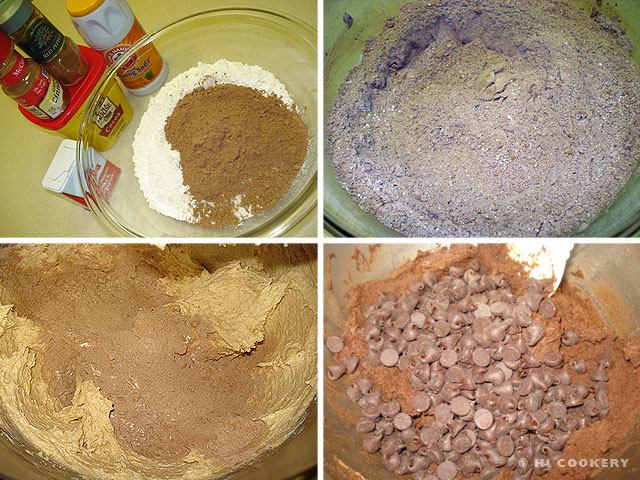
In a separate bowl, combine the flour, cocoa powder, cinnamon, baking soda, black and cayenne peppers. Gradually blend this into the butter mixture until a dough forms. Fold in the chocolate chips.

Mayan Chocolate Sparklers

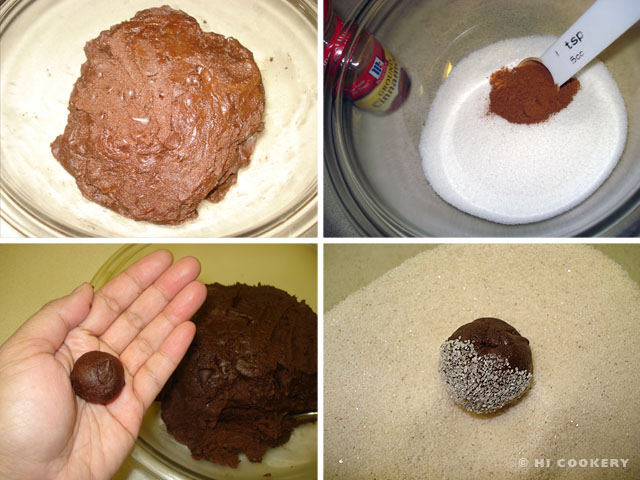
Roll into a ball and transfer to a glass bowl. Cover and refrigerate to firm up for around half an hour. Meanwhile, make the topping by combining the sugar and cinnamon together in a small bowl. Remove the cooled cookie dough from the refrigerator. Roll into one-inch balls and coat in the topping mixture.

Mayan Chocolate Sparklers

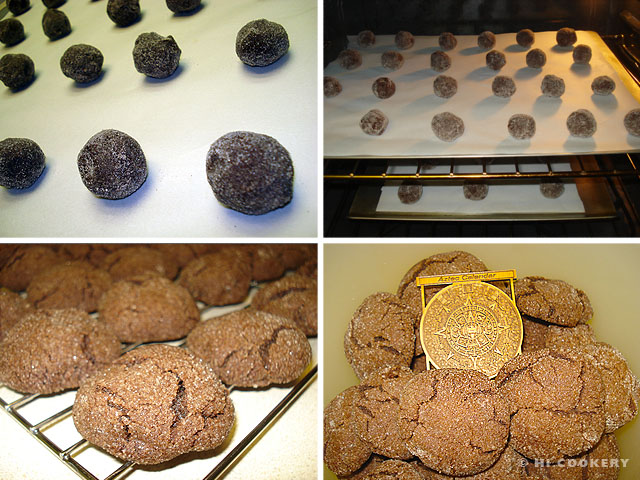
Place the balls two inches apart on a cookie sheet lined with parchment paper. Bake in a preheated oven at 350 degrees F for 10-15 minutes. The center of the cookies will be slightly soft but the edges will firm up when cool. Remove from the oven. Let cool on the pan for five minutes. Transfer to a wire rack to cool completely. Yield: Approximately 5 dozen cookies.

Mayan Chocolate Sparklers 

Notes

  • December 21 is the earliest date of the Winter Solstice—the shortest day of the year—in the Northern Hemisphere.
  • We added a teaspoon of Mexican vainilla (vanilla extract) after beating in the eggs to add a sweetness to the cookie dough. We doubled the amount of chocolate chips for a chunkier chew.
  • The last photo in the set of directions features a wood carving of an Aztec calendar, which has some similarities to the Mayan calendar.
  • Many have tried to predict when the world will end. But no one knows the day or the hour (Matthew 24:36).

Puto Bisquick

Puto Bisquick

December 15: National Cupcake Day

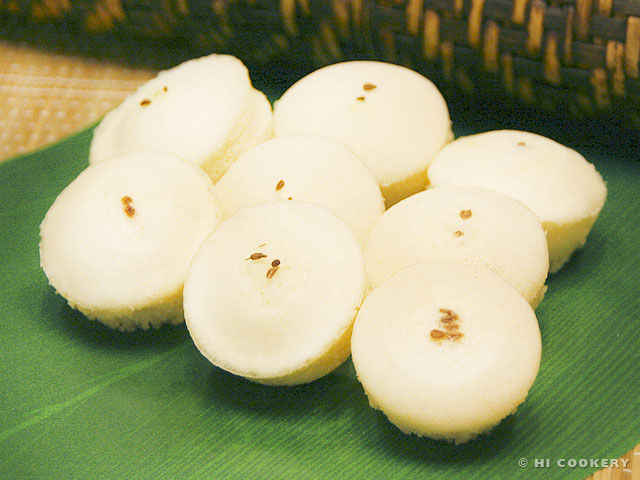
In elementary school on the mainland*, when Islander was learning about ethnic diversity, her teacher asked parents to share a simple snack from their kids’ cultures. Mommy brought puto, a type of Filipino cake made with rice flour. However, some people were not used to the glutinous texture of traditional puto. So she used a more familiar flour—Bisquick brand baking and pancake mix—to Americanize this Filipino food. The mini-sized puto proved popular in class!

Occasionally Islander still prepares puto with Bisquick on the mainland but eats the traditional rice cupcakes whenever she is in Hawaii or the Philippines. Make them in mini-muffin pans for a cute cultural cupcake for National Cupcake Day.

Recipe

(From Mommy)

Ingredients

  • 1 cup Bisquick brand baking mix (we used the “Heart Smart” flour)
  • ¾ teaspoon baking powder
  • 1 egg
  • ½ cup milk (we used Lactaid brand)
  • ½ cup sugar
  • anise seeds

Directions

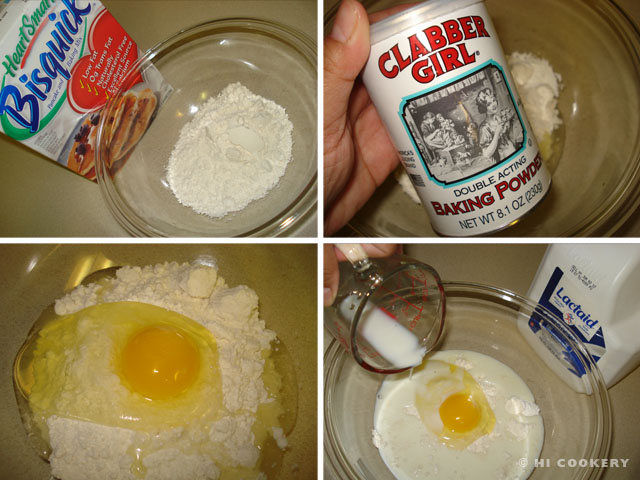
In a large mixing bowl, combine the Bisquick and baking powder. Add the egg. Stir in the milk.

Puto Bisquick

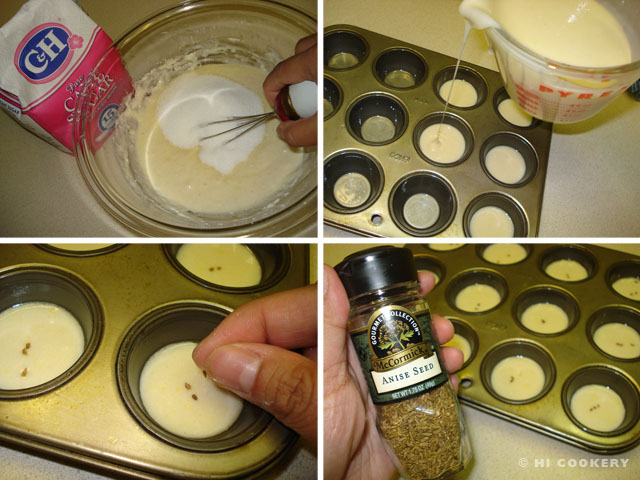
Add the sugar. Mix well to make a smooth batter. In a greased mini-muffin pan, pour the batter no more than halfway full. Sprinkle 2-3 anise seeds in the center of each puto.

Puto Bisquick

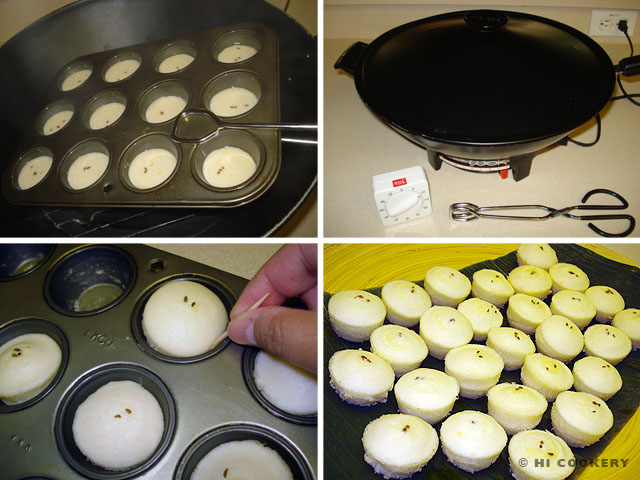
Place the mini-muffin pan in a steamer. Steam for 10-15 minutes. Carefully remove from the steamer and let cool in the pan for 10 minutes. Continue steaming the other pans. Remove each puto with a toothpick. Serve on a platter lined with a banana leaf (optional). Yield: Approximately 2 ½ – 3 dozen mini puto.

Puto Bisquick

Notes

  • We used a wok with a wire platform to steam our puto. Heat the wok with about an inch-deep of water. Place the mini-muffin pan in the wok. Steam for 10-15 minutes. Remove the pan with tongs, being careful of escaping heat. Keep checking that the water does not evaporate. Pour more as necessary.
  • Sometimes we would add a few drops of liquid food coloring to create pretty pastel shades of puto.  Divide the batter into three or four bowls and tint with food color for a fun and festive presentation of puto.
  • Puto Bisquick is best eaten immediately or on the day it was made. Store any leftovers in a tightly-covered container.
  • *Back in the late 1970s, Islander and Brenda J. were the only Asian and Hispanic students among black and white classmates in their Virginia elementary school.  Brenda’s mom brought mini tacos. Ironically, decades later, we now live in the same South Texas town and still talk about the time when our moms came to class with food for ethnic diversity day!