Vanilla-Macadamia Nut Fudge
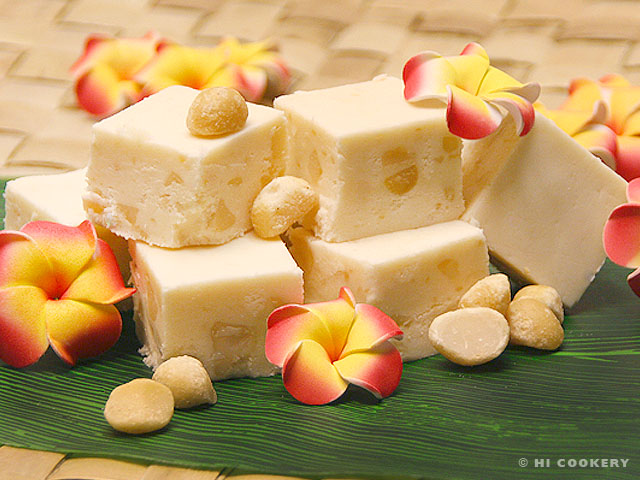
Vanilla-Macadamia Nut Fudge

May 12: National Nutty Fudge Day

We usually find fudge to be too sweet—even for our notorious sweet tooth! But when it is made with macadamia nuts, fudge is fine as the roasted nut flavor tones down the sweetness a bit. Although we are not too fond of fudge as a whole, some of our mainland friends like the tropical taste in this recipe, especially around the holidays for a Hawaiian-inspired dessert exchange. So for all of Islander’s fellow cake club members and blog readers, below is the recipe for vanilla-macadamia nut fudge for National Nutty Fudge Day.

Recipe

(Adapted from Nestle)

Ingredients

  • 2 ½ cups sugar, granulated white
  • ½ cup unsweetened coconut milk
  • ½ cup (1 stick) butter
  • 2 cups white chocolate chips
  • 1 jar (7 ounces) marshmallow crème
  • ¾ cup roasted macadamia nuts, chopped
  • 1 teaspoon vanilla extract
  • ¼ teaspoon coconut extract

Directions

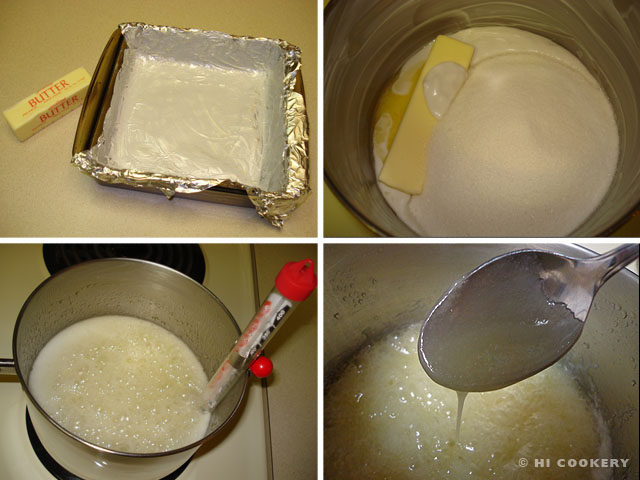
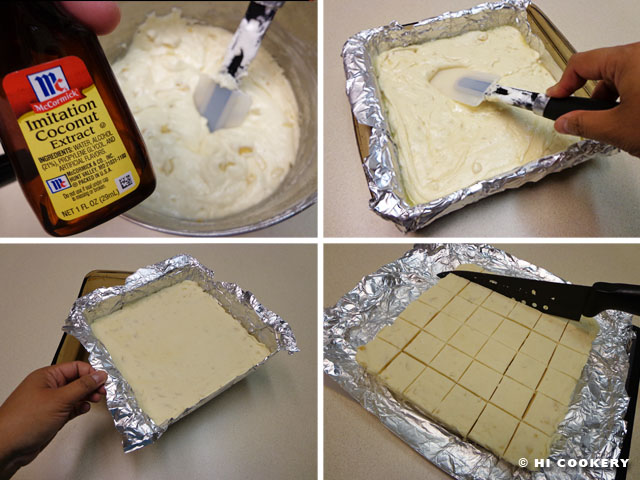
Line a 8×8- or 9×9-inch square pan with foil, leaving the edges hanging over the pan. Generously grease the foil with butter. Also butter the sides of a 3-quart saucepan. In the saucepan, combine the sugar, coconut milk and butter. Stir over medium heat until mixture comes to a slow boil. Insert a candy thermometer to the side of the saucepan, but do not let it touch the bottom of the pan. Reduce the heat to medium-low and continue boiling it slowly without stirring. Boil for about 15 minutes or until the candy thermometer reaches 238 degrees F (softball stage). Remove from heat.
Vanilla-Macadamia Nut Fudge

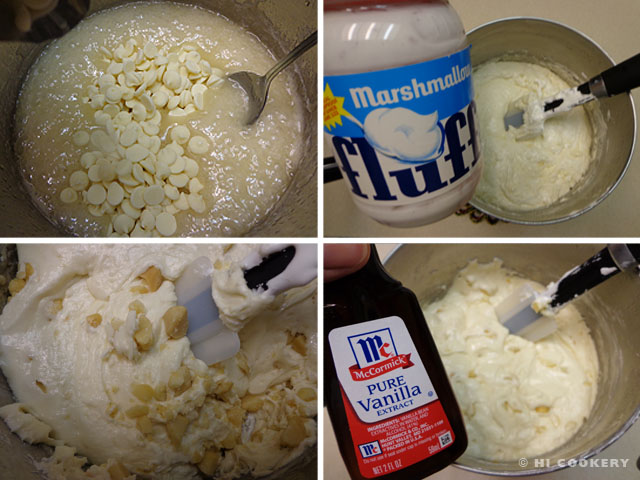
Quickly stir in the white chocolate chips until melted and smooth. Add the marshmallow crème. Fold in the nuts. Mix in the vanilla and coconut extracts.
Vanilla-Macadamia Nut Fudge

Spread into the prepared baking pan. Let cool for at least 3-4 hours or until firm. Lift the fudge from the pan using the foil side handles. Use a sharp knife to cut into small squares. Yield: 36 pieces.
Vanilla-Macadamia Nut Fudge

Molokai-Mainland Sweet Potato Palau

Molokai Sweet Potato Palau

May 10: Feast Day of St. Damien of Molokai

We took an inter-island trip with Islander’s parents and brother a few years ago when her Daddy turned 70. The family flew on a small plane from Oahu to Molokai to see where Hawaii’s recently canonized St. Damien served those who were afflicted with Hansen’s disease (leprosy).

Damien de Veuster came to Hawaii from Belgium in 1864 and was ordained a priest in Honolulu. A few years later, on May 10, 1873, Father Damien volunteered to minister to the people with leprosy who were exiled to Kalaupapa and Kalawao on the island of Molokai. He himself contracted the disease and, on April 15, 1889, died among those he lovingly served in the name of Christ.

During our family’s private pilgrimage to Kalaupapa and Kalawao, we were able to personally place floral lei at St. Damien’s gravesite on the grounds of St. Philomena Church that he built. We also toured the other solemn and historical areas where Blessed Mother Marianne Cope and Brother Joseph Dutton worked to support St. Damien’s mission to help the patients physically and spiritually.

Molokai Sweet Potato Palau

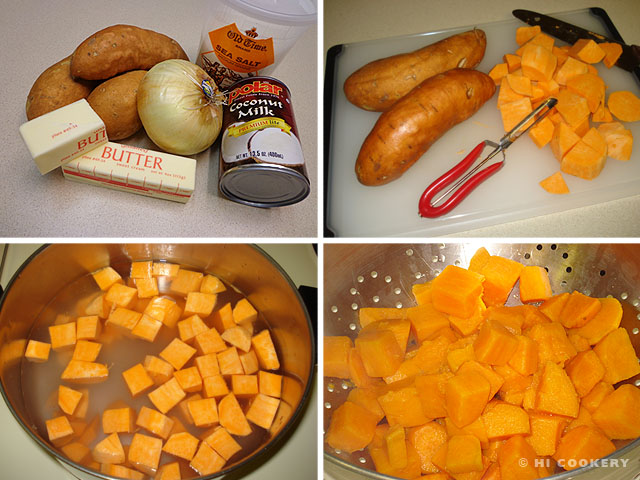
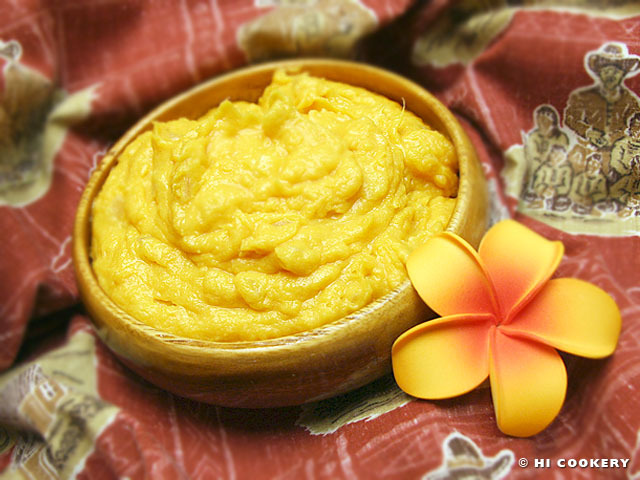
In honor of St. Damien of Molokai, Hawaii’s patron saint, we made Molokai sweet potato palau. As we do not have Hawaiian ingredients readily available on the mainland, such as purple Molokai sweet potato and Maui onions, we needed to make some substitutions for this side dish.

Serve sweet potato palau—Molokai or mainland style—on the Feast Day of St. Damien. Aloha!

Recipe

(Adapted from Chef Peter Merriman on Hawaii Magazine)

Ingredients

  • 3 large purple Molokai sweet potatoes (we used regular sweet pototoes)
  • 1 cup coconut milk
  • 1 cup Maui onion, diced (we used Texas sweet onion)
  • ¾ cup butter, divided use, softened
  • 1 teaspoon Hawaiian sea salt

Directions

Wash and peel the sweet potatoes. Dice into 2-inch cubes. Place in a large pot and cover with water. Simmer until tender, about 15-20 minutes. Drain the sweet potatoes.

Molokai Sweet Potato Palau

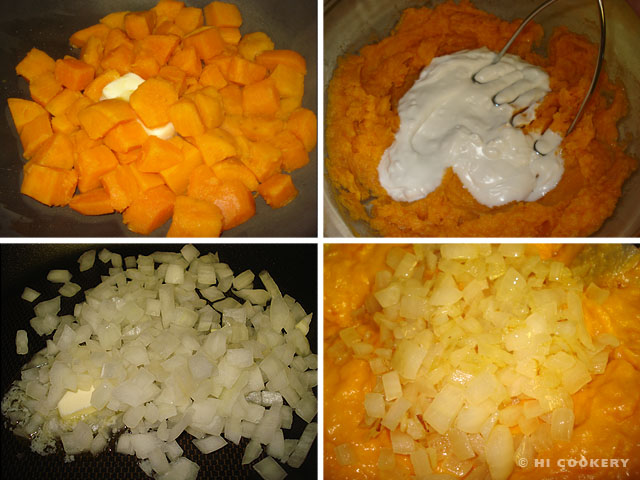
Place the sweet potatoes in a large bowl with ½ cup (1 stick) of butter. The heat from the sweet potatoes should melt the butter. Stir in the the coconut milk and 3 tablespoons of butter. Mash until smooth. Set aside. In a skillet, saute the onions with the remaining 1 tablespoon of butter. Cook over medium heat until the onions are soft and translucent. Add the cooked onions to the mashed sweet potatoes. Season with salt. Stir well or whip with a hand mixer until creamy. Serve hot as a side dish.

Molokai Sweet Potato Palau

Notes

  • Palau is a traditional Hawaiian-style pudding made of sweet potatoes and coconut cream, which inspired the chef to adapt the cooking method for a savory side dish. It has a pudding-like texture similar to whipped sweet potatoes.
  • St. Damien was buried on Molokai but his body was exhumed in 1936 and brought back to Belgium, his home country and final resting place. Remains of his right hand were returned to Hawaii and re-interred in his original grave on the grounds of St. Philomena Church in Molokai. His relic (foot bone fragment) travels around the world for veneration.
  • St. Damien was canonized on October 11, 2009. In addition to observing his feast day on May 10, Hawaii also celebrates St. Damien’s Day on April 15.
  • The background fabric in the final food photo above is from Highlander’s aloha shirt showing motifs of St. Damien.

Buko Pie

Buko Pie

May 8: National Coconut Cream Pie Day

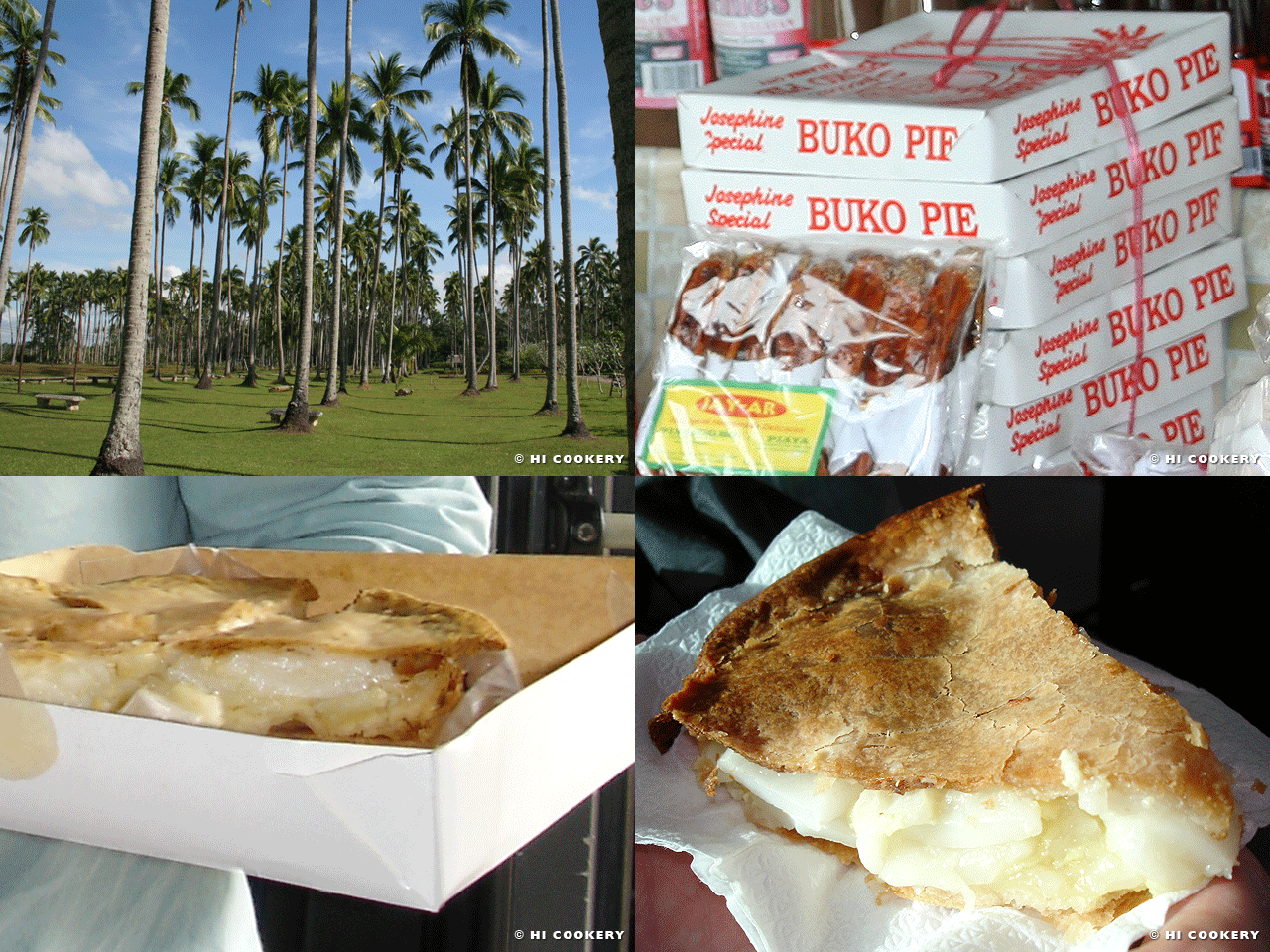
Traveling through the Philippines for a big family event a few years ago, our chartered bus made stops from Bataan through Manila and Tagaytay to get to Villa Escudero, a coconut plantation where we all stayed in bamboo cottages for a real rustic experience. Along the way, through the Laguna province, Auntie Maria B. bought boxes of buko (pronounced “boo-koh”) pie from a roadside stand. Buko pie is the Filipino version of a coconut cream pie made from the tender meat of the young fruit and it is a specialty from the region. Everyone enjoyed slices of this simple and slightly sweet snack to sustain us on our long journey through the countryside. The cuisine and culture certainly left a lasting impression on Highlander on his first trip to Asia.

Buko Pie

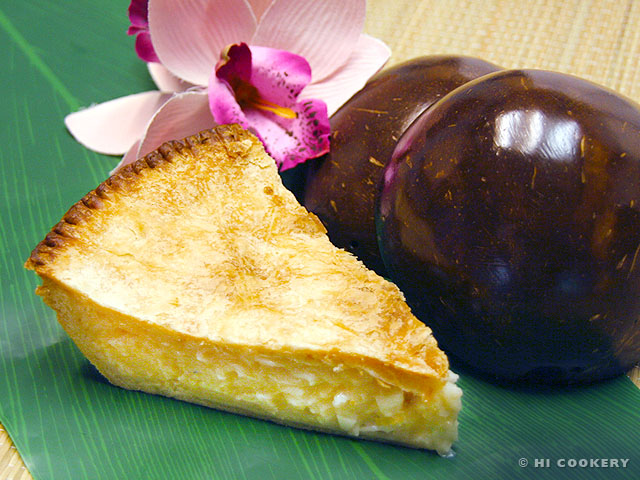
Islander brought back fond memories of the Philippines when she baked buko pie for Highlander. She found frozen shredded buko in the Asian grocery store in South Texas and replicated the recipe. It turned out to be a terrific tropical treat! For Filipino flavor on National Coconut Cream Pie Day, bake a buko pie.

Recipe

(Adapted from Pinoy Recipe)

For the filling

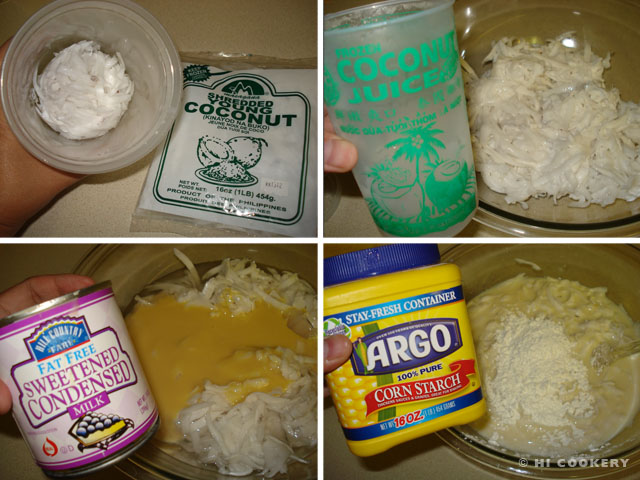
  • 4 cups buko (young coconut meat), shredded or sliced
  • 1 cup coconut water/juice (not coconut milk)
  • 1 can (14 ounces) sweetened condensed milk (we used fat-free)
  • 2/3 cup cornstarch

Directions

Defrost packages of frozen buko and squeeze out excess water (this may be used in the recipe instead of the one bought in a bottle/jar/can) to measure four cups of young coconut meat. In a saucepan, combine the buko, coconut water, sweetened condensed milk and cornstarch. Mix slowly over low heat until thickened, being careful not to burn the bottom of the pan. Remove from the stovetop and place in another bowl to cool completely. Prepare the crust.

Buko Pie

For the crust

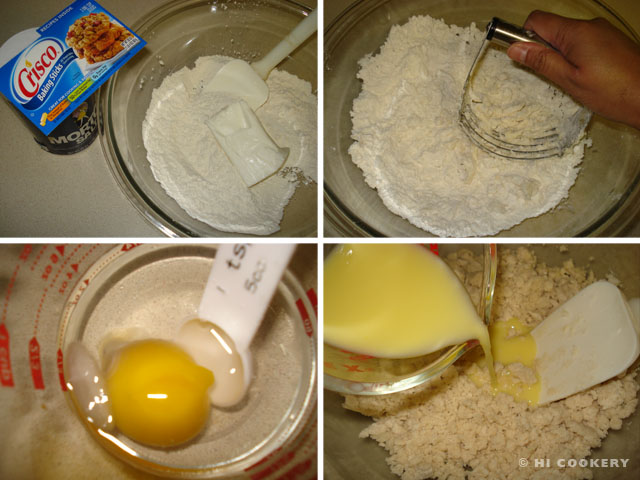
  • 2 cups flour
  • 1 teaspoon salt
  • 2/3 cup vegetable shortening (we used Crisco brand baking sticks)
  • 1 egg yolk
  • 1 teaspoon vinegar (we used sugar cane vinegar)
  • ¼ cup ice water

Directions

In a mixing bowl, combine the flour with the salt. Cut in the vegetable shortening and mix until it resembles coarse crumbs. In a small bowl or measuring cup, beat the egg yolk with the vinegar and ice water. Gradually add the liquid ingredients to the dry ones.

Buko Pie

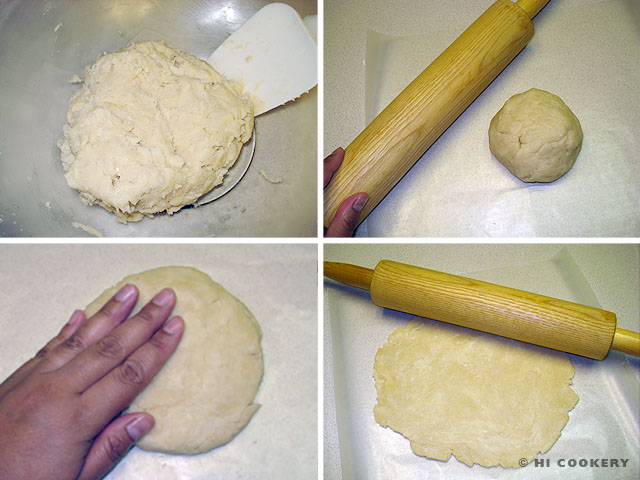
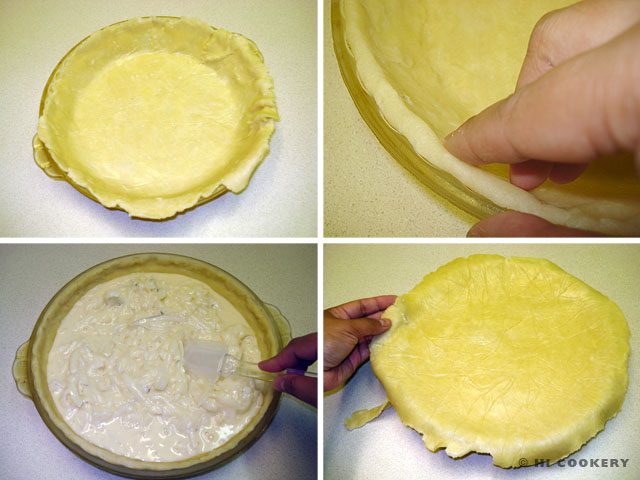
Gently mix until a sticky dough is formed. Divide the dough in half. Flatten one into a disc and roll out to 1/8-inch thick to cover the bottom of a pie plate. Repeat with the other half of the dough enough to cover the top of the pie. Set aside.

Buko Pie

Spread the cooled buko filling on top of the bottom crust layer. Cover with the top crust layer.

Buko Pie

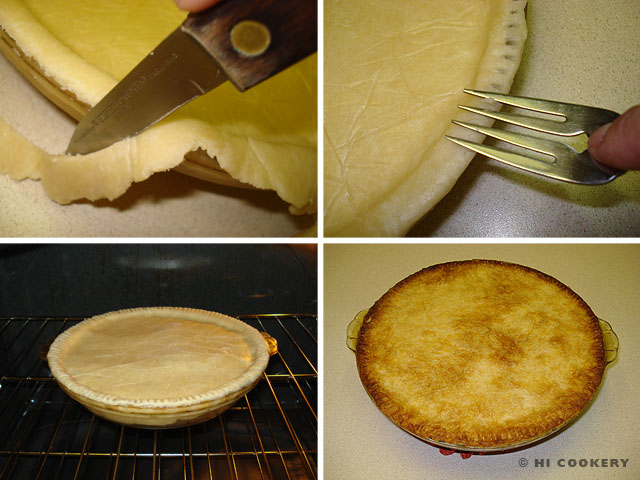
Trim excess crust. Flute or crimp or seal the edges with the tines of a fork. Bake in a preheated oven at 425 degrees F for 45-55 minutes. Remove from the oven and set on a wire rack to cool completely. Refrigerate to allow the flavors to blend and the coconut filling to solidify. Slice and serve (may be reheated in the microwave).

Buko Pie

Notes

  • Use only unsweetened “young” tender coconut meat for buko pie. “Old” coconut meat is hard and dry. Buy buko (sometimes shredded) in the freezer section of Asian grocery stores if unable to find fresh coconuts.
  • In addition to the Filipino buko pie, try the Hawaiian version of coconut cream pie and make mini haupia pies for National Coconut Cream Pie Day.