Blueberry Clafoutis

Blueberry Clafoutis

July: National Blueberry Month

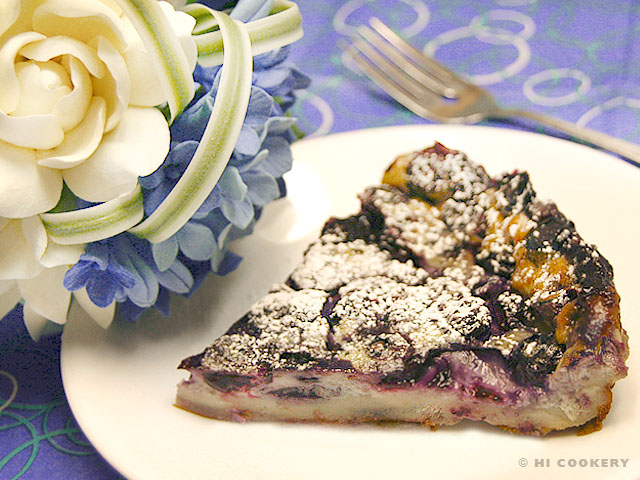
We get rave reviews on the recipe for raspberry-almond clafoutis that we decided to bake another one featuring the fruit of the month: blueberries! This is a simple summery dish from France, also called flaugnarde, which is like a cross between a custard and a cake. Although it does not look as attractive as other dishes, the sweet scent of vanilla and bursts of blueberry make this dessert as delicious as the raspberry-almond clafoutis. Taste why this is a French favorite—and why it has also become one of ours—and bake a blueberry clafoutis for National Blueberry Month.

Recipe

(Adapted from “Mastering the Art of French Cooking” by Julia Child, Louisette Bertholle and Simone Beck) 

Ingredients

  • 2-3 cups fresh blueberries
  • 3 eggs
  • 1 ¼ cup milk
  • 1/3 cup sugar
  • 1 tablespoon vanilla
  • pinch of salt
  • ½ cup flour
  • powdered sugar (for dusting)

Directions

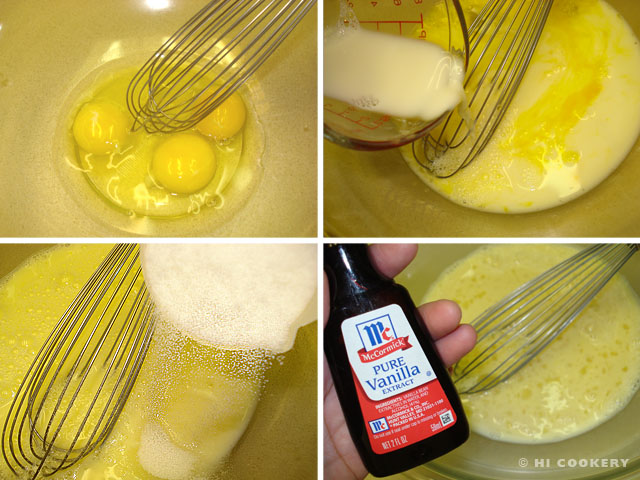
In a large mixing bowl, beat the eggs. Stir in the milk. Pour in the sugar. Add the vanilla and pinch of salt.
Blueberry Clafoutis

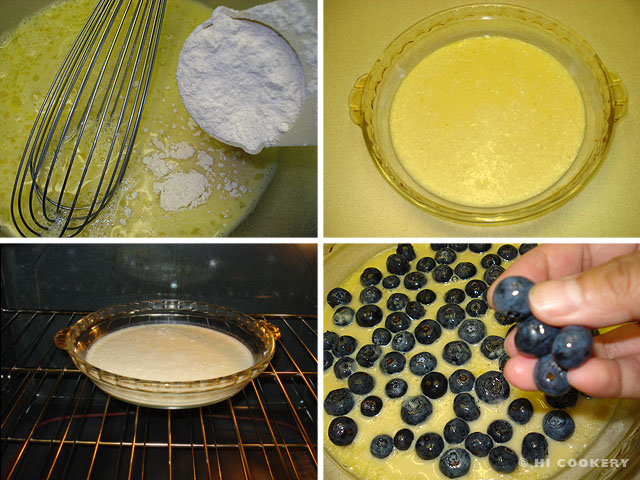
Mix in the flour until the batter is no longer lumpy. Pour the batter about ¼ inch thick into a pie dish. Bake in a preheated oven at 350 degrees F for 5-10 minutes to set the bottom of the clafoutis. Remove from the oven and arrange the blueberries on top.
Blueberry Clafoutis

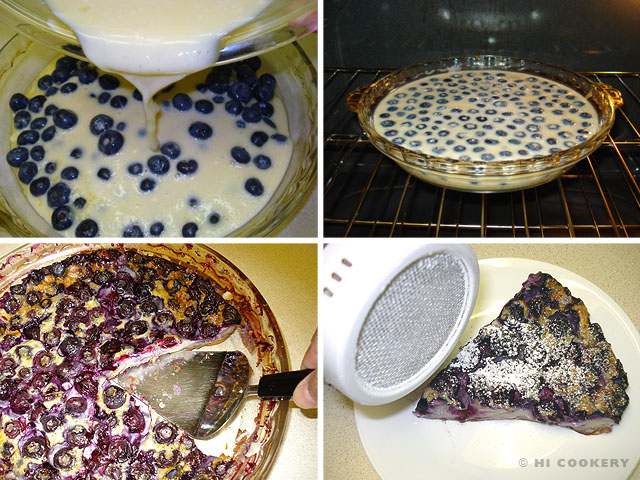
Pour the remaining batter over the blueberries.  Return to the oven and bake for an hour or until the middle is no longer wet and wiggly. The clafoutis is cooked when it is puffed up and brown and a knife comes out clean after inserting into the middle. Remove from the oven and cool slightly (the dessert will deflate) before slicing into wedges. Sprinkle a little powdered sugar on each serving. The blueberry clafoutis may be served hot or cold.
Blueberry Clafoutis

Notes

  • Try the recipe for raspberry-almond clafoutis for July which is also National Berry Month. 
  • Search our blog for more recipe posts containing blueberries as an ingredient.
Raspberry Clafoutis

Raspberry Clafoutis 

July: National Berry Month

We had a lot of leftover ripe raspberries that were going to spoil soon if we did not eat them quickly. So Islander decided to try a simple recipe containing raspberries called clafoutis (also called flaugnarde). It is a French-style dessert with a flan-like batter and smooth texture. We think it is a fancy version of fruit cobbler—and it is “berry” good as well as easy to make! Try this tart treat for National Berry Month.

Recipe

(Adapted from Food.com)

Ingredients

  • 1 cup raspberries
  • 2/3 cup sour cream
  • 1/3 cup milk
  • 6 + 2 tablespoons unsalted butter, melted
  • 3 eggs
  • ½ teaspoon vanilla
  • ¾ cup cake flour
  • pinch of salt
  • 1/3 cup + 2 tablespoons sugar
  • ¼ cup almonds, sliced and unblanched

Directions

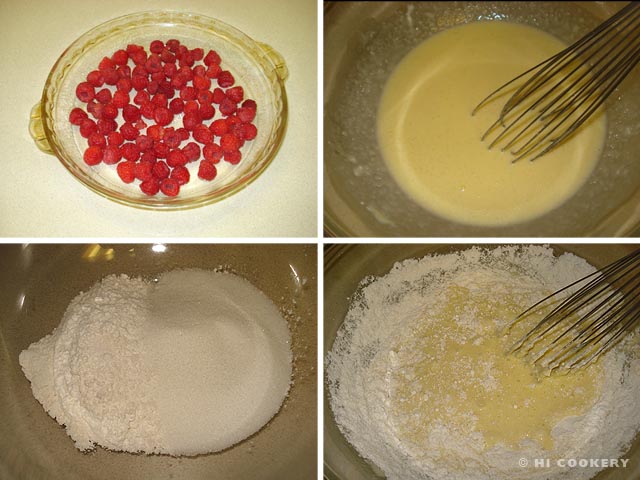
Grease a 9-inch deep dish glass pie pan. Sprinkle raspberries in the pan. In a bowl, mix the sour cream, milk, 6 tablespoons of melted butter, 3 eggs and vanilla. In another bowl, mix the cake flour, pinch of salt and 1/3 cup sugar. Mix the dry ingredients into the wet ingredients and blend until the batter is smooth.

Raspberry Clafoutis

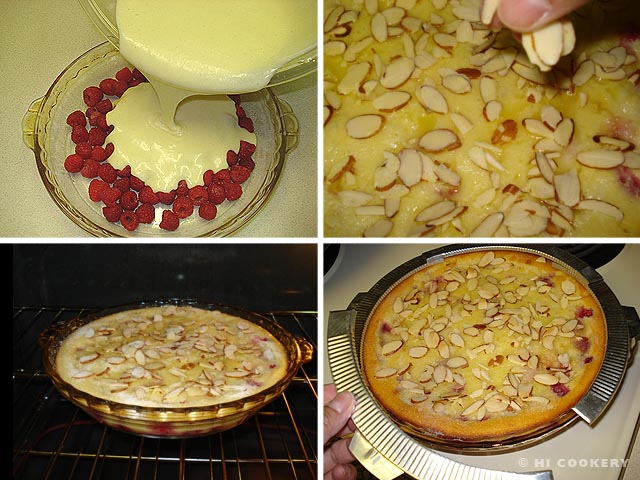
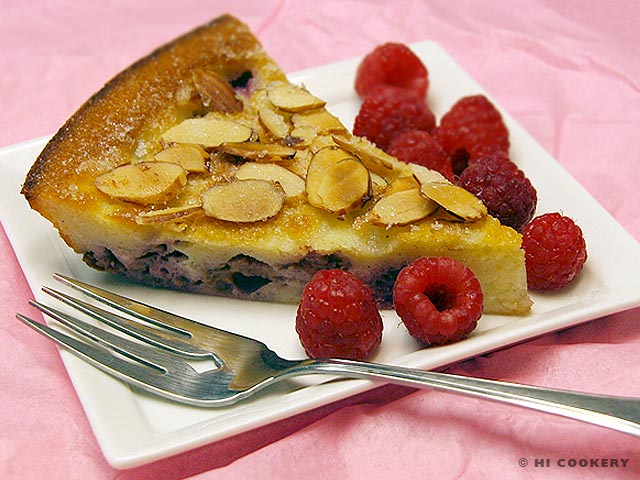
Pour the batter over the raspberries. Drizzle 2 tablespoons of melted butter over the top. Sprinkle with 2 tablespoons of sguar and the sliced almonds. Bake in a preheated oven at 400 degrees F for 40 minutes or until golden brown. Remove from the oven and let cool for about 15 minutes. Slice and serve warm and garnish with extra raspberries. Sprinkle powdered sugar on top (optional).

Raspberry Clafoutis

Notes

  • Halfway through the baking time, cover the edges of the pie pan with foil shields to avoid overbrowning.
  • Search our blog for posts containing raspberries in the recipe.

Tapioca Custard Cake

(Cassava Flan Bibingka)

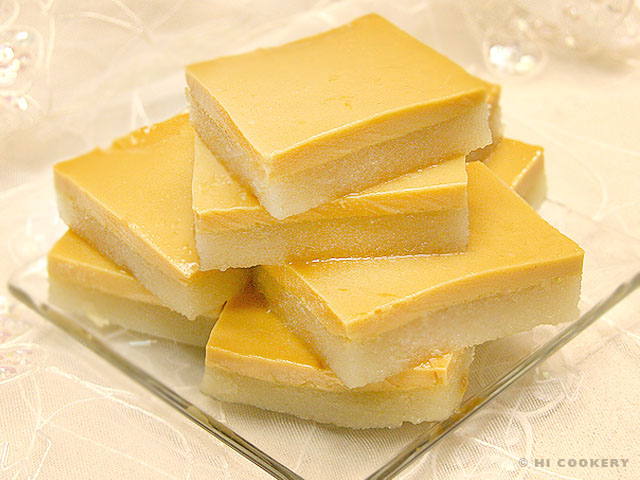
Tapioca Custard Cake - Cassava Flan Bibingka

June 28: National Tapioca Day

Islander literally likes to get back to her cultural roots by baking bibingka (a type of Filipino cake) made from cassava, a starchy root that is sometimes called tapioca, manioc, sago or yuca (not to be confused with yucca). Her Daddy grows the woody-looking tuber in the back yard of her childhood home in Hawaii. Sometimes he would just boil the fibrous root for the family and we would eat it like a yam or sweet potato. Other times, he would manually grate it for a special Christmas tapioca custard cake recipe, such as the one we are featuring here on our blog post for National Tapioca Day. The bottom bibingka layer has a chewy texture with coconut flavor and is topped with a sweet and creamy custard layer. With only six ingredients, this makes it easy for Islander to appreciate both the cultural and culinary roots when cooking!

Recipe

(From Daddy)

 For the tapioca/cassava bibingka/cake

  • 1 package (1 lb.) frozen grated cassava, thawed
  • 1 cup sugar
  • 1 can (13.5 ounces) coconut milk

For the flan/custard

  • 5 egg yolks
  • 1 can (14 ounces) sweetened condensed milk
  • 1 can (12 ounces) evaporated milk

Directions

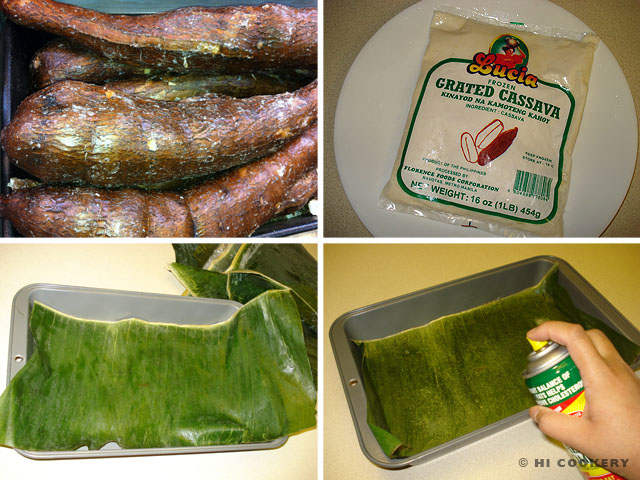
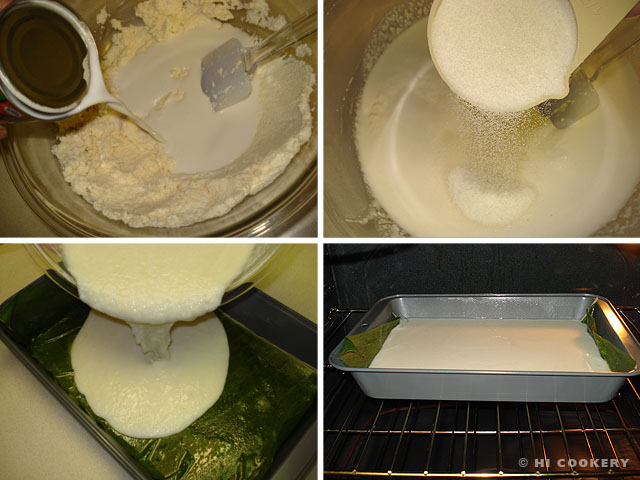
Line a 13×9-inch baking pan with banana leaf (traditional) or waxed paper. Mist with cooking spray.

Tapioca Custard Cake - Cassava Flan Bibingka

In a bowl, mix together the thawed grated cassava, sugar and coconut milk. Pour into the baking pan. Bake in a preheated oven at 350 degrees F for 30 minutes.

Tapioca Custard Cake - Cassava Flan Bibingka

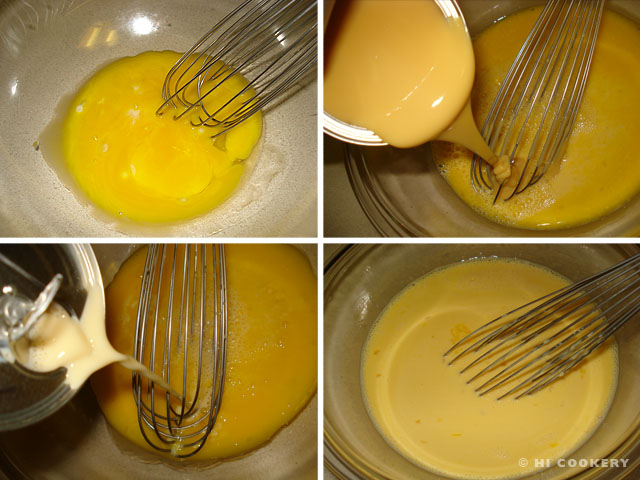
While the bibingka layer is baking, make the flan/custard layer. In a bowl, beat the egg yolks with the sweetened condensed and evaporated milks.

Tapioca Custard Cake - Cassava Flan Bibingka

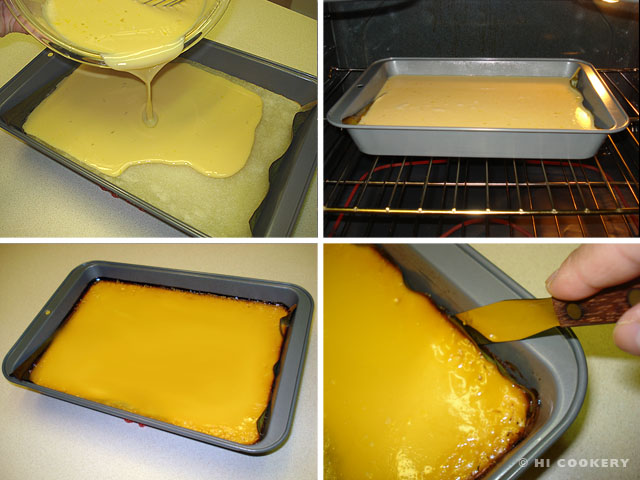
Remove the bibingka from the oven and pour the flan/custard mixture over it. Return to the oven and bake for an additional 40 minutes or until the flan/custard no longer wiggles in the middle. Remove from the oven. Use a spatula to loosen and unstick the dessert from the sides of the pan. Cool completely until it reaches room temperature to set. Slice into squares and cut off any burnt or jagged edges. Remove the banana leaf or waxed paper before serving. Refrigerate leftovers.

Tapioca Custard Cake - Cassava Flan Bibingka

Notes

  • Warning: Do not eat cassava raw. It must be cooked thoroughly to remove toxins.
  • Some Philippine cuisine has its roots from Spain. For example, the flan/custard layer on top of the Filipino-based bibingka is a Spanish influence. Islander’s family names, both paternal and maternal, are Spanish.