Easy Coconut Pie

September 2: World Coconut Day

We are so grateful to our wedding godfather, Marvin L., who did a lot to help us get settled in Oklahoma when we were newlyweds—way back in 1996!!! He would come over to check up on us in our little one-bedroom starter apartment to see if we needed anything, sometimes dropping off some food because we did not yet own a lot of cookware and had not stocked our tiny pantry with staples and ingredients to make our meals.

The first week we had moved in, Daddy called one day from Hawaii and said he missed his baby girl. Islander lost it and was crying because she was super homesick. Marvin was there and saw how sad she was. The next time he came over with food, he brought a comforting coconut dessert. It was an easy recipe, but he hoped that the tropical treat would ease some of Islander’s adjustments to the mainland and marriage. For sure, that caring gesture cheered her up.

Now that we have moved back to Hawaii after all these years and reunited with her parents, Islander found his old recipe and made it for them. It really has the familiar flavor of the islands.

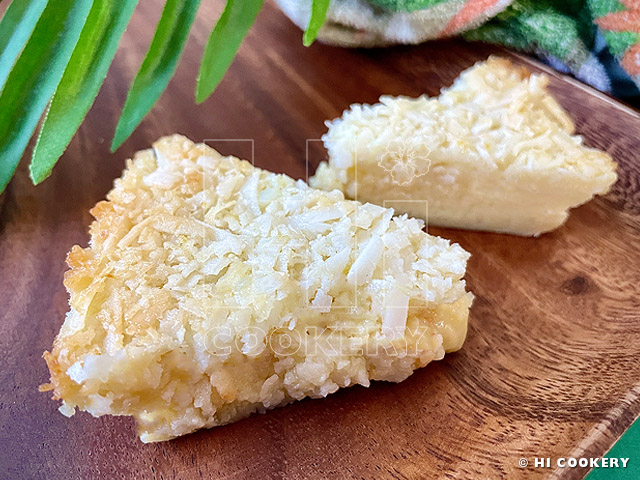
Mahalo to Marvin for his love, prayers and care—and for the recipe of this easy coconut pie. Celebrate the comfort of coconut in this simple pie, especially on World Coconut Day.

Recipe

(Adapted from Betty Crocker)

Ingredients

  • 1 cup flaked or shredded coconut
  • 2/3 cup sugar
  • ½ cup Bisquick brand pancake and baking mix
  • ¼ cup unsalted butter, melted
  • 1 ¾ cup milk (we used lactose free)
  •  1 ½ teaspoon vanilla
  • 4 eggs, lightly beaten

Directions

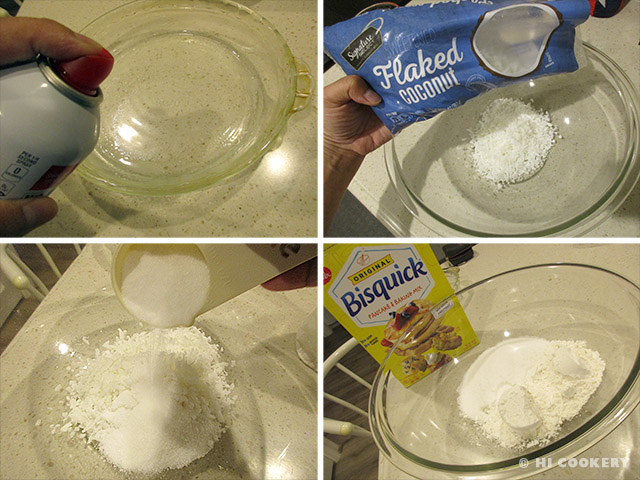
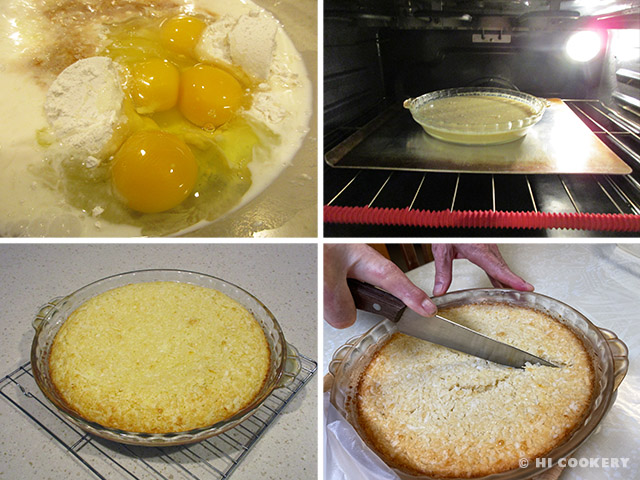
Grease a 9-inch pie plate and set aside. In a mixing bowl, combine the coconut, sugar and Bisquick.

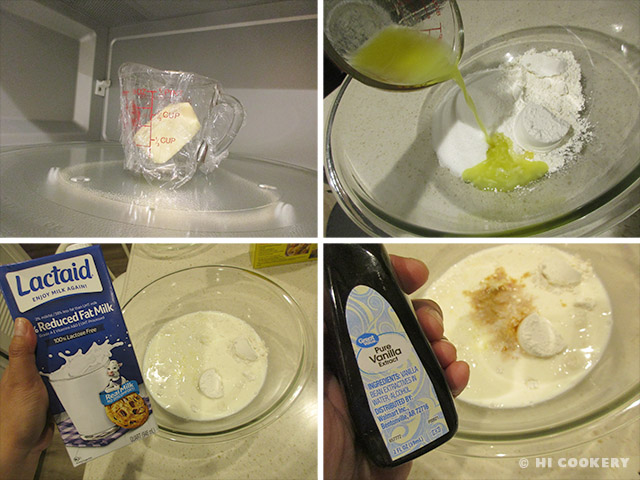
Melt the butter and cool slightly. Pour into the Bisquick mixture. Stir in the milk and vanilla.

Mix in the eggs until batter is smooth. Set the greased pie plate on a baking sheet. Pour the batter into the pie plate. Bake in a preheated oven at 350 degrees F for 50 minutes to an hour, checking with a toothpick or knife for doneness. Remove from the oven and put the pie plate on a wire rack to cool completely. Sliced into wedges and serve. Cover and refrigerate any leftovers. Reheat for a few seconds on the microwave.

Notes

  • If using sweetened flaked or shredded coconut, reduce the sugar slightly.
  • We like to add a ½ teaspoon of coconut extract or flavor to boost the coconut taste.
  • Search our blog for more coconut recipes.

Eneksa Agaga (Micronesian Red Rice)

September: National Rice Month

When Islander used to teach a group of international students for summer school in Hawaii, some of them included young adults from Micronesia (Guam, Yap, Palau, Chuuk, Pohnpei and Marshall Islands). They adapted to the Hawaiian culture and climate very well as they came from similar backgrounds.

Everyone looked forward to the last day of class, not only because they would have completed their studies. But it gave everyone an opportunity to taste each other’s foods at a potluck party. The Micronesian students often shared eneksa agaga (red rice) as it contained affordable ingredients to feed a crowd. 

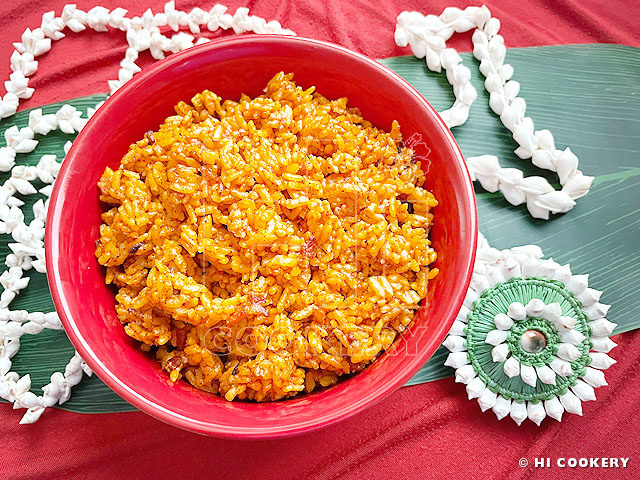
Annatto is what gives the rice (the recipe originated in Saipan) its vibrant hue as well as a subtle flavor. Annatto seeds are often soaked with water to cook the rice. But the powder (also known as atsuete or achuete in the Pacific Rim and achiote in Latin America) is more convenient, according to Islander’s students. Red rice is the perfect accompaniment to island barbecues and buffets.

One of her students from Pohnpei presented her with a shell medallion as a teacher appreciation gift. It is one of Islander’s most treasured cultural items and is pictured with the eneksa agaga she cooked to honor her students during National Rice Month.

Recipe

Ingredients

  • 1 cup uncooked rice, rinsed and drained
  • 1 cup onion, chopped
  • 2 strips of uncooked bacon, chopped
  • 1-2 cloves garlic, minced
  • 2-3 teaspoons annatto/achiote/atsuete powder
  • 2 cups water
  • Salt and pepper to taste

Directions

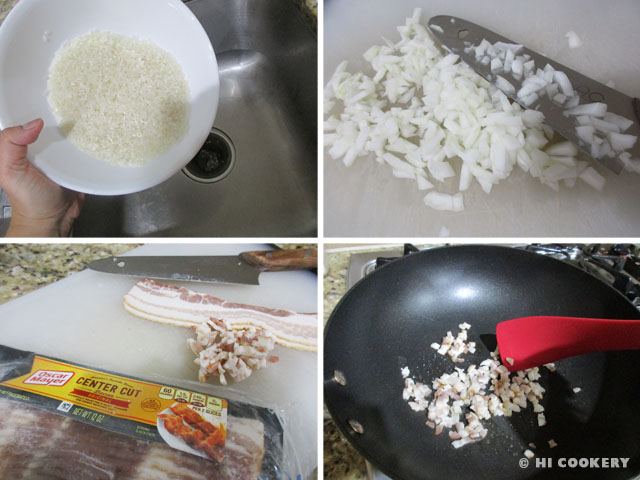
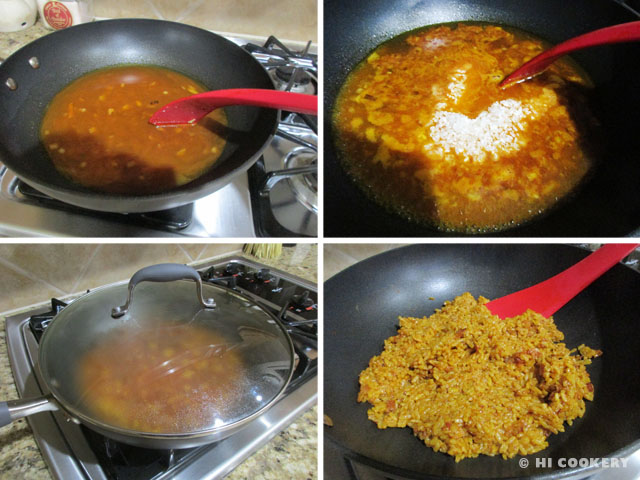
Rinse and drain the rice. Chop the onions and bacon. Heat a pan over the stovetop and saute the bacon to render out the oil (about 2 minutes). 

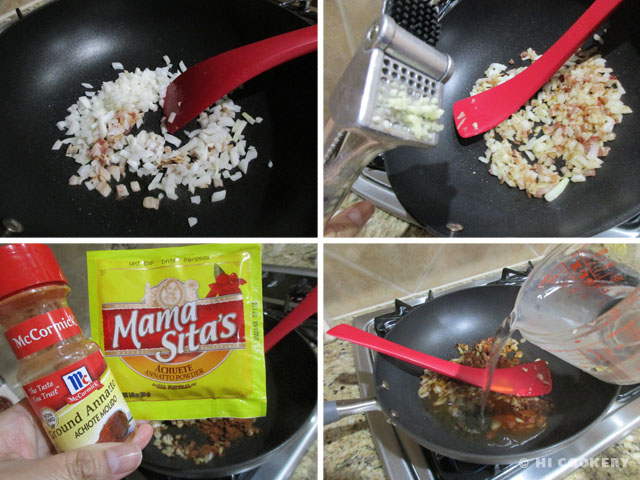
Add the onions and garlic and stir-fry until the onions are softened. Sprinkle the annatto powder over the onions and stir well. Add the water and bring to a boil. 

Stir in the rice. Lower the heat to medium low and cover the pan. Simmer for 10 minutes, checking no more than twice to see if the rice has absorbed all the water. Stir to blend the red color evenly and prevent the rice from sticking to the bottom of the pan. Season with salt and pepper. Cover the pan and cook for another 10 minutes. Remove from heat. Stir again and adjust seasonings. Let the rice rest for 5 minutes in the pan before transferring on to a serving platter.

Notes

  • Adjust the amount of annatto/achiote/atsuete powder for desired deepness of color. Annatto powder in the spice jar is darker than achiote/atsuete powder in the packets.
  • Search our blog for more rice recipes.

Cornmeal Fufu (Ugali)

August 11: National Fufu Day

We served as marriage preparation sponsors for a Nigerian couple at our church during the pandemic. They had to delay and reschedule their Catholic wedding and massively scale down the celebration. But the intimate ceremony (strictly a 25-people limit, according to CDC social gathering guidelines at the time) followed by an at-home reception (in the bride’s family mansion!) was a much more personalized and lovely experience, focusing on the couple more than a traditionally and typically extravagant event itself.

We witnessed the bride’s father, who is revered like a chief in the ex-pat Nigerian community, preside over the kola nut ceremony to welcome everyone to his family’s home and the marriage celebration. Highlander got to taste the bitter nut while Islander was offered a Coca-cola instead of the kola (see Notes). 

After prayers, speeches and libations/toasts, we were already hungry after a long day. The colorfully-clad ladies had prepared a delicious buffet of favorite and festive foods. We were not familiar with the menu items but we enthusiastically enjoyed trying Nigerian food. 

The ladies were also so gracious to pack us leftovers so we could enjoy them the following day. In our takeaway containers, we found a spongy-white dough wrapped in plastic. Fufu is a starchy staple found not just in Nigerian cuisine but all over Africa and the Caribbean. It is made with ingredients commonly found in the area (yams, cassava, plantains and cornmeal). It is a little bland but fufu is a great complement to the flavorful stews and soups.

For National Fufu Day, which is a relatively new holiday, we tried a cornmeal fufu recipe. It goes well with the West African shrimp in peanut sauce stew recipe. Rie nke oma.

Recipe
(Adapted from African Bites)

Ingredients

  • 4 cups water
  • 1 teaspoon salt
  • 2 cups white fine cornmeal
  • Vegetable oil

Directions

In a large, heavy saucepan, boil the water. Add salt. Remove one cup of the water and set aside. Reduce the heat to medium. Gradually stir in the cornmeal a little at a time, mixing until well blended. Reduce the heat to low. Mash any lumps and keep mixing until smooth, adding a little of the reserved water at a time. 

Cover and simmer for another 10 minutes, making sure that the bottom of the pan does not burn. Remove from heat. Stir the mixture. Grease a small bowl with a little oil. Scoop out about ¾ – 1 cup of the mixture and place it in the greased bowl. Swirl the bowl around until it forms a smooth round or oblong shape. Repeat with the remaining mixture. Transfer to a serving platter. Or package them in plastic wrap for individual servings when needed.

Notes

  • Fufu is known as ugali in east and central Africa. Learn more about the different types of fufu from OkayAfrica.com’s “Quick Guide to Fufu.” 
  • Fufu is fungee in Antigua. See the recipe we made with bits of okra here.
  • Read more about the cultural significance of kola nuts of the Nigerian Igbos from the Face2Face Africa website. 
  • Although we were offered utensils, we ate with our hands at the Nigerian house reception. We assured our hosts we were comfortable doing so, as we had participated in a similar Filipino “boodle fight” (kamayan).