Johnny Cakes/Bread

July 10: Bahama Independence Day

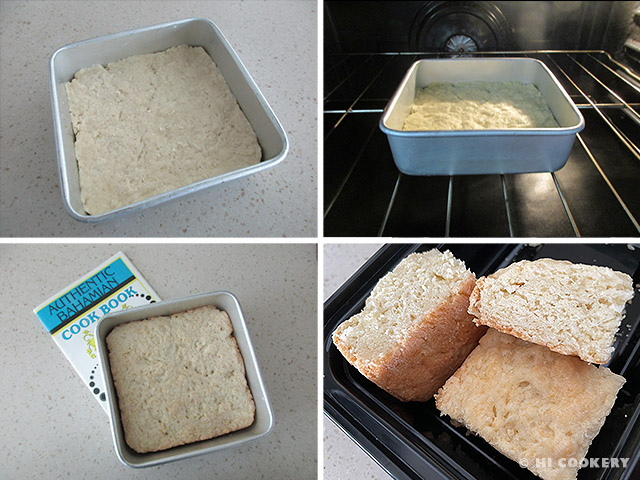
At the end of a project, Islander’s former client Janet A. sent a small goodie box of Bahamian guava and pineapple jams, mini rum bundt cakes and a little cookbook as an appreciation gift. Janet knows we are foodies and we enjoy samples from other countries. The jams were delightful reminders of Islander’s Hawaii home when we lived on the mainland, and the bundt cakes were a tasty indulgence as well. The cookbook was very “homestyle” and the directions were not so clear. But the recipes gave us an introduction to what Bahamians like to eat. And from that cookbook, we got some menu ideas and searched online for recipes, like this one for johnny cake.

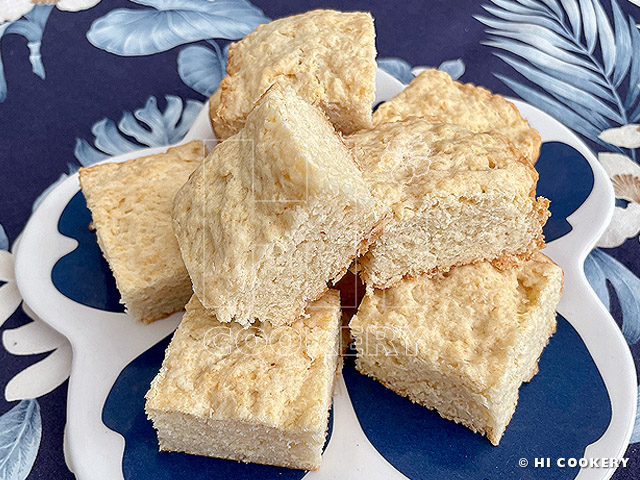
Johnny cakes are common throughout the Caribbean, brought from North America through the slave trade. The cakes, which have a slightly sweet taste and bread/biscuit-like texture, travelled well on the road and were known as “journey cakes”—the forerunners of johnny cakes. Whereas they are flat and cooked in a griddle like pan cakes in other Caribbean countries, the ones from the Bahamas are baked. There are also many variations of johnny cakes throughout the North American Atlantic coastal states and the Caribbean; the Australian version is a “damper”.

This simple side dish is enjoyed with other Bahamian foods that we made, inspired by the little cookbook that Janet gave us. To honor our friend and her compatriots, we baked Bahamian style johnny cakes to celebrate the Bahamas Independence Day.

Recipe

(Adapted from Nassau Paradise Island)

Ingredients

  • 3 cups flour, all purpose
  • 1 teaspoon salt
  • 1 tablespoon baking powder
  • ¼ cup sugar
  • ½ cup butter, cold
  • 2/3 cup milk (we used lactose-free)

Directions

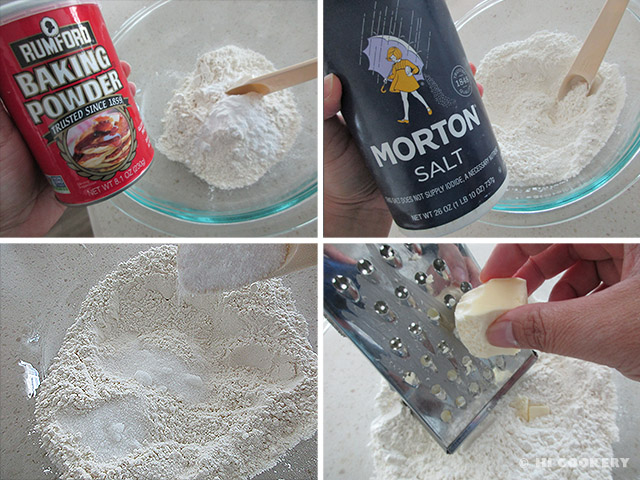
In a large bowl, combine the flour, salt, baking powder and sugar. Grate the cold butter into the bowl and mix until it resembles coarse crumbs. 

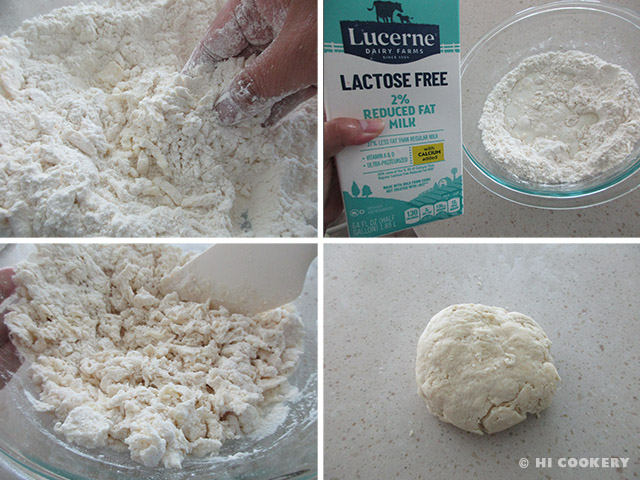
Stir in the milk and mix to make a dough. Transfer to a clean, floured surface and knead until the dough is smooth. Let it rest for about 10 minutes. 

Meanwhile, grease a 8×8-inch square pan. Press the dough into the pan. Bake in a preheated oven at 350 degrees F for 25-30 minutes or until the top and edges are golden brown. Remove from the oven and cool on a wire rack. Cut into squares. Store leftovers in airtight containers.

Notes

  • We halved this recipe to feed just the two of us. We pressed our johnny cake dough into a greased 6×6-inch square pan.
  • Serve johnny cakes with chicken souse or Bahamian “fire engine”
  • Fruit jams like the ones Janet sent to us are also delicious when spread on the johnny cakes.
  • We wanted to try to make other Bahamian recipes, but we could not find fresh conch in our area.

Raspberry Oat Scones

July: National Raspberry Month

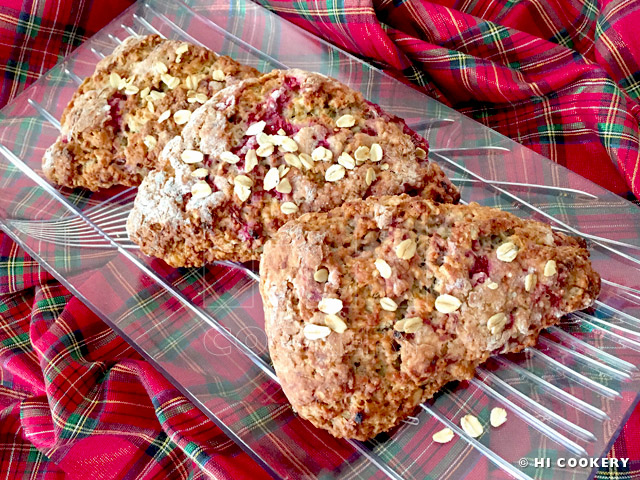
When raspberries are in season, we love the bright fruits at their peak of sweetness. We eat them throughout the year, though, whether in a simple Scottish dessert, chranachan, for Burns Night, Scottish gatherings and our summertime suppers. To change up our tastes a bit, we use raspberries in Scottish oat scones, too, for breakfast, brunch or afternoon tea (and still eat chranachan for dessert!). Too much raspberries is a good thing and we enjoy indulging in raspberry oat scones during National Raspberry Month.

Recipe

(Adapted from Good Housekeeping)

Ingredients

  • 1 ½ cups old-fashioned (rolled) oats, divided use (reserve more for the topping)
  • 2 cups flour, all-purpose
  • ½ cup sugar
  • 1 teaspoon baking soda
  • 1 teaspoon baking powder
  • ½ cup (1 stick) butter, unsalted
  • ¼ cup crystallized ginger, diced small
  • 1 lemon, zested
  • ¾ cup fresh raspberries
  • ¾ cup buttermilk

Directions

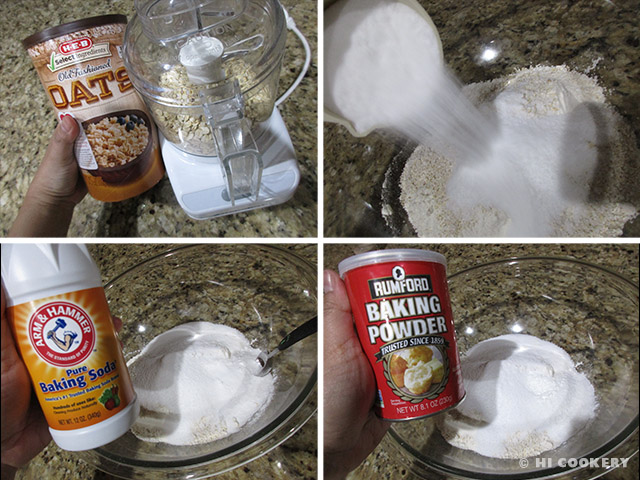
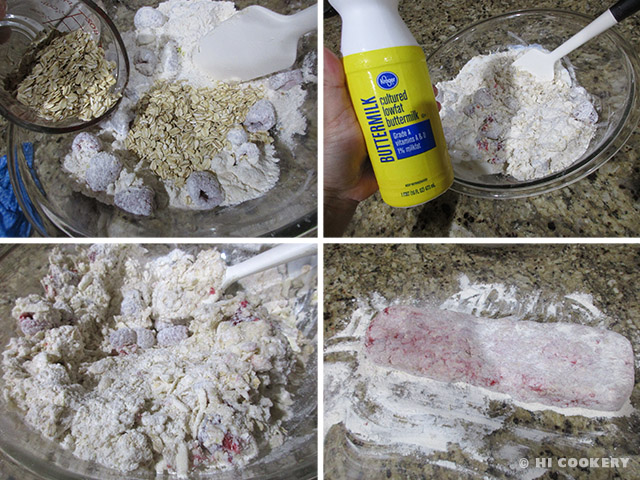
In a food processor, pulse one cup of oats until finely ground. Pour the ground oats into a large mixing bowl with the flour, sugar, baking soda and baking powder.

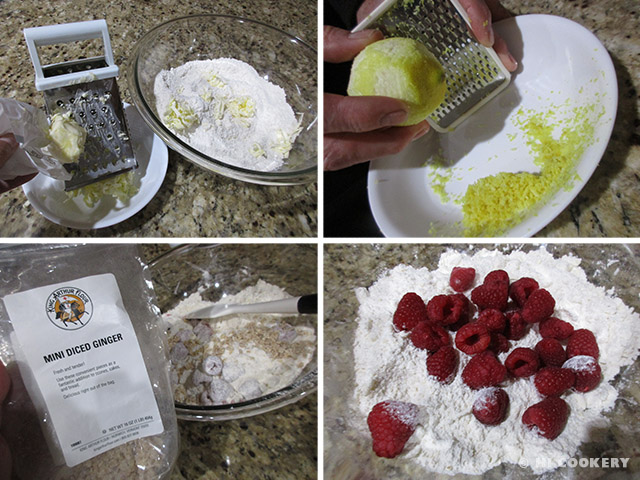
Grate the cold or frozen butter into the dry ingredients. Mix until it resembles coarse crumbs. Stir in the ginger and lemon zest. Lightly toss in the raspberries, being careful not to burst the juices too much. 

Add in the remaining ½ cup oats. Gradually mix in the buttermilk. Blend to form a dough but avoid overmixing. Transfer dough to a clean, floured surface. Shape into a ½-inch thick rectangle.

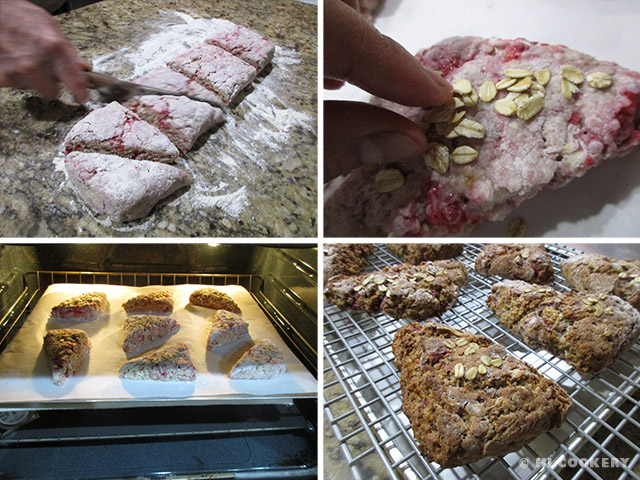
Cut diagonally then straight to form triangles. Place at least 2-inches apart on a parchment paper-lined baking sheet. Top each scone with additional sprinkles of oats. Bake in a preheated oven at 400 degrees F for 25-30 minutes or until browned. Remove from the oven and cool on wire racks. Serve with butter or clotted cream.

Notes

  • Instead of a long rectangle shape to cut triangle scones, make a ½-inch thick round and cut into wedges. 
  • Search our blog for more recipes containing raspberries.

Herbes de Provence Sablés

June 10: National Herb and Spice Day

Islander’s culinary club challenged members to make something with herbs and spices for the meeting theme. While others made savories, she made sweets–cute cookies *literally* seasoned with herbes de Provence and decorated with parsley, sage and thyme leaves.

Herbes de Provence originated from the French Provençal region as an all-purpose seasoning. There are different variations of the dried herbal mix but most likely includes thyme, basil, rosemary, oregano, tarragon, marjoram, savory and bay leaves. 

Typically used to season meat, fish and vegetable stews, herbes de Provence are a unique ingredient to add to a lemony sablé (sandy shortbread) recipe. The decorated cookies, made in a “laminated” decorating technique, look eye-catching on the table, tastes delicious and are perfect for National Herb and Spice Day.

Recipe

(Adapted from Teatime Magazine)

Ingredients

  • 1 teaspoon herbs de Provence
  • 1/3 cup sugar, granulated white
  • ½ teaspoon salt
  • Zest of 1 lemon
  • ½ cup unsalted butter, softened
  • 1/3 cup powdered sugar
  • 1 egg yolk
  • 1 ½ cups flour, all purpose
  • Fresh herbs (parsley, thyme, sage, etc.)

Directions

Use a mortar and pestle to ground the herbs de Provence finely. Transfer to a small bowl to mix with the sugar and salt. Add the lemon zest and incorporate well with the herbs mixture.

In a larger bowl, cream the butter with the powdered sugar, along with the herbs mixture. Beat in the egg yolk. Gradually mix in the flour until a dough starts to form. It will be a little crumbly so use hands to knead until it all sticks together.

Roll out the dough on waxed paper to ½ inch thickness. Place pieces of herbs about 2-3 inches apart on top of the flattened dough. Place another piece of waxed paper on top and roll out to ¼ inch thickness, making sure that the herbs are pressed well into the dough.

Position a round, fluted cookie cutter and center it over the herb on the dough. Cut out the round shape and place on a parchment paper-lined baking sheet. Re-roll dough and continue cutting out the herbs in the center with the cookie cutter. 

Space them about an inch apart from each other on the sheet. Bake in a preheated oven at 350 degrees F for 10-12 minutes or until the cookie edges are lightly browned. Remove from the oven and let cool completely. Arrange the cookies randomly on a platter to showcase the variety of herbs. Yield: Approximately 2-2 ½ dozen cookies.

Notes

  • We bought our herbes de Provence in a labeled jar at Williams-Sonoma (or Sur La Table?). We can’t remember exactly but it can be ordered online as well.
  • Rinse, clean and pat dry fresh herbs for “laminating” onto the cookies. We tried thyme, sage, parsley and found the latter easier to press and stay on the dough. A variety of other green herbs laminated on the cookies would look pretty on a plate.
  • We also serve our sablés at a garden tea party for a sweet Southern summertime treat.
  • Search our blog for more recipes containing herbs and spices.