Three-Ingredient Honey-Hoisin

Pork Ribs
January-February: Asian Lunar New Year

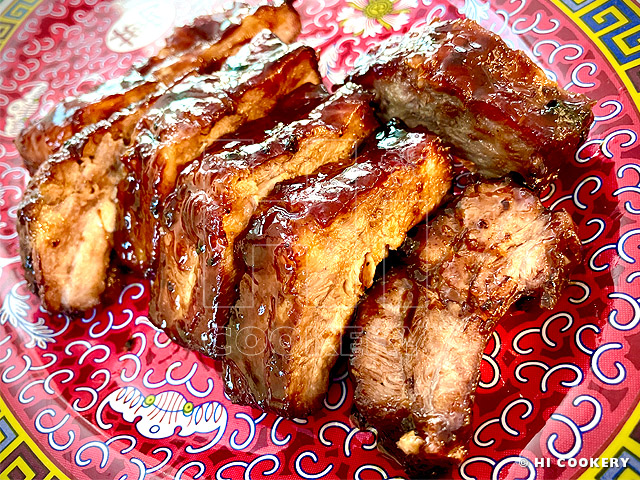
Kung hee fat choy! Happy New Year—again! We made a simple but flavorful Chinese dish called hoy tsin pai gwat to be included in our family’s celebratory dinner. We had to prepare other foods, like vegetables and noodles, that were more time consuming. So baking this three-ingredient pork ribs recipe was a tasty time saver.

Instead of chicken, pork is the preferred meat for the new year, as pigs hoof forward and chickens scratch backward—an auspicious representation for the upcoming 12 months ahead. We got our pork spareribs on sale and just brushed hoisin sauce on it and finished it off with a generous basting of honey. That is all there is to it!

The sweet and sticky sauce can be interpreted that the new year can bring sweetness and ensure that luck sticks around. Try this easy entrée for a happy Asian Lunar New Year meal!

Recipe

(Adapted from Yum Yum Cha: Let’s Eat Dim Sum in Hawai’i by Muriel Miura with Lynette Lo Tom)

Ingredients

  • 1 rack of pork spareribs, defrosted if frozen
  • ½ jar of hoisin sauce
  • 1 cup honey

Directions

Line a baking pan with foil for easier cleanup. Put a rack on top to lay the ribs. Wash and pat dry the ribs. Trim the fat and tissues. Brush hoisin sauce on both sides of the ribs. Place in the refrigerate uncovered to marinate for 30 minutes to an hour. Brush the ribs with honey on one side. Bake in a preheated oven at 350 degrees F for 30-45 minutes.
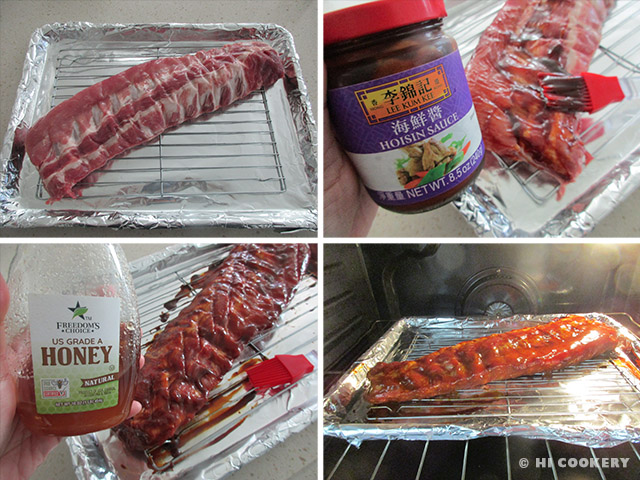
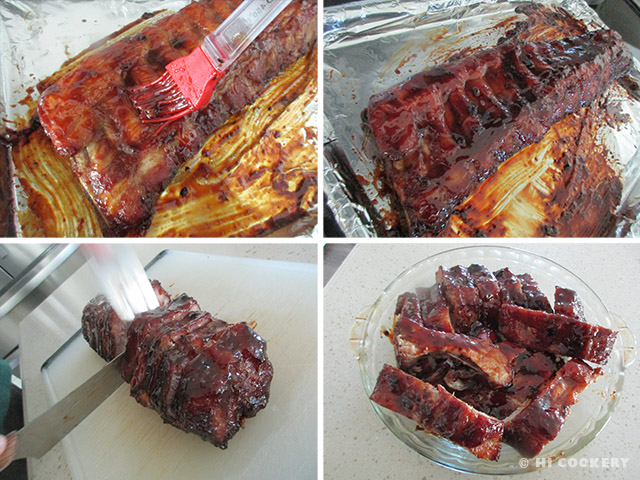
MRemove ribs from the oven and brush the other side with more honey. Put it back in the oven and bake for another 30 minutes or until cooked and tender. Remove from the oven. Brush with a little more honey on both sides. Let the meat sit for 5 minutes before cutting between the bones. Brush with honey-hoisin drippings. Serve hot on a platter. 
Notes

  • Xiexie 谢谢 (thanks) to Nan N. for giving us the Chinese cookbook for Christmas. We go out with her and our other BFFs for a holiday dim sum get-together and gift exchange.
  • Search our blog for other Chinese recipes for the lunar new year.
Lunar New Year Candy Bars

January 25 (2020): Asian Lunar New Year

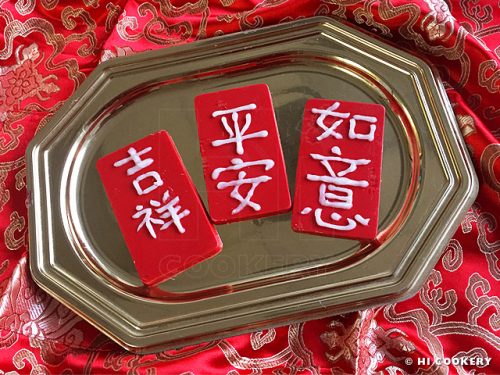
Happy new year (again)! In an attempt to make edible spring couplets, Islander asked her adult ESL students to write Korean and Chinese greetings and well wishes on auspiciously red-colored confectioners candy bars. The activity was a nice break from the usual reading/conversation/pronunciation lessons for the day and gave her students a chance to share some sweet candy, traditions and information about their cultural observances of the lunar new year with others at school. Simply make this fun and festive food to ring in the Year of the Rat!

Recipe

Ingredients

  • Red candy melts (Wilton brand)
  • White tube icing

Directions

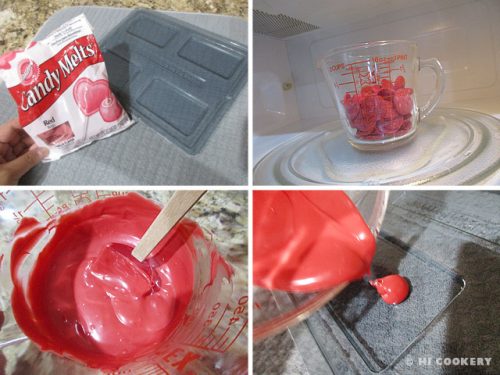
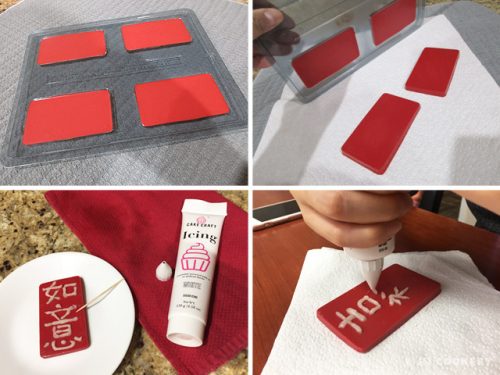
Melt the candy melts according to the package instructions. Stir until smooth. Pour into rectangular candy molds. Cool to set. Unmold carefully onto paper towels.

Using a small round tip on the white tube icing, write short new year greetings in Chinese or Korean characters. Let dry but do not stack.

Notes

Siu Mai

(Pork and Shrimp Dumplings)

February: Asian Lunar New Year

While out running errands in Hawaii, Islander would sometimes stop in at the nearest 7-Eleven convenience store/gas station to grab a quick snack and fuel up for the road. She would forgo the hot dogs and choose either a manapua/char siu bao or Hawaiian pork hash/siu mai to go with a strawberry Slurpee. One would not normally think that these popular dumplings, which are traditionally rolled out in carts at Chinese/Vietnamese dim sum restaurants, could be found at a grab-and-go shop. But hey, dis is Hawaii nei—and da locals love ’em.

There are not too many 7-Eleven stores in the Texas town where we live. And they understandably sell taquitos instead of Asian dumplings. So Islander makes and freezes her own siu mai. They are ready to steam anytime as snacks/appetizers for when she craves them, when we have company or when we want to celebrate the lunar new year. It’s worth a try to make some siu mai!

Recipe

(Adapted from AllRecipes.com)

Ingredients

  • ½ pound ground pork
  • ½ pound shrimp, shelled/deveined/minced
  • 2 egg whites
  • ¼ cup water chestnuts, chopped
  • 2-3 tablespoons green onion, chopped (green parts only)
  • 3 cloves garlic, minced
  • ¼ cup cornstarch
  • 4 teaspoons soy sauce
  • 2 teaspoons oyster sauce
  • 2 teaspoon sugar
  • ¼ teaspoon salt
  • ½ teaspoon ground black pepper
  • ½ teaspoon sesame oil
  • round dumpling wrappers, defrosted and separated
  • frozen peas and carrots (optional garnish)

Directions

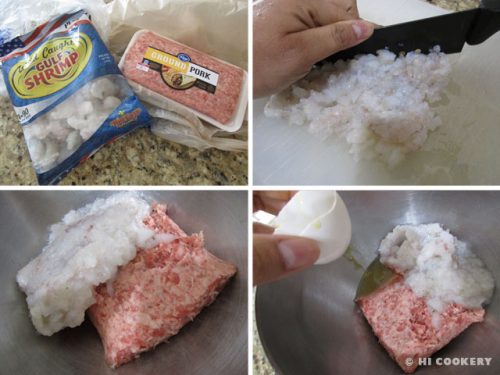
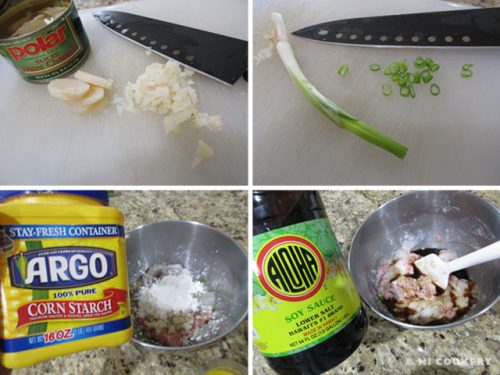
In a large bowl, combine the ground pork and minced shrimp with the egg whites.

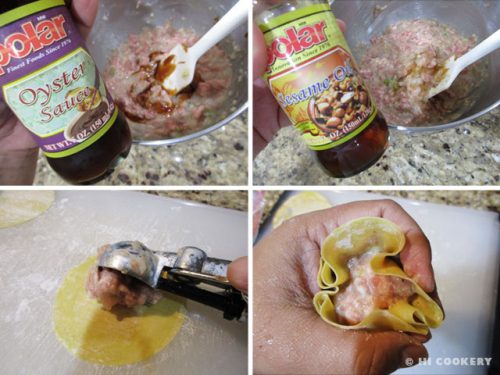
Add the water chestnuts, green onion and garlic. Add the cornstarch and mix well. Add the soy and oyster sauces.

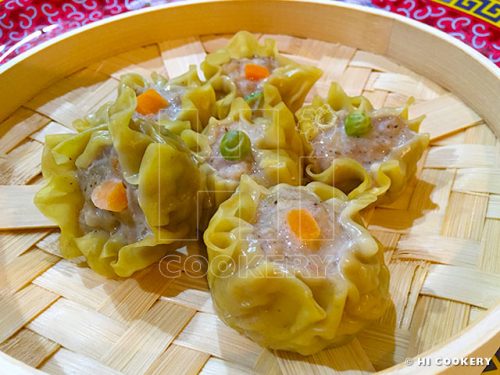
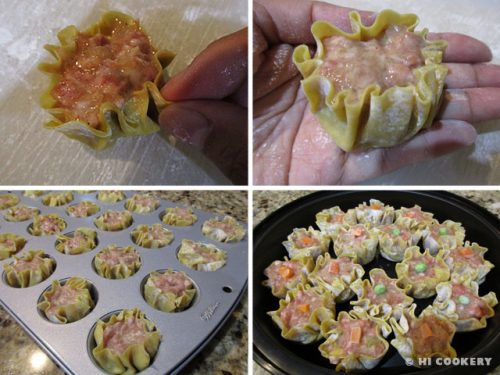
Sprinkle in the sugar, salt and ground pepper. Stir in the sesame oil and mix until the filling is well combined. In the middle of a dumpling wrapper, generously scoop a rounded tablespoonful of filling. Make a circle with thumb and forefinger and cradle the siu mai between the fingers to form its round shape and flatten the bottom.

Let it sit back on a flat surface and pleat the sides. Place in a mini muffin tin to hold its shape. Continue making the rest of the siu mai. Top the middle of the dumplings with pea or carrot.  Refrigerate for 10-15 minutes to let the filling set and keep its shape.

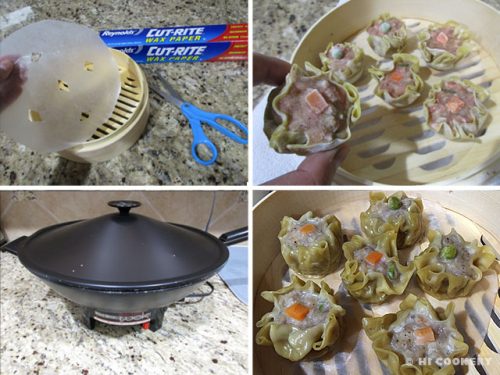
Line the bottom of a bamboo steamer basket with waxed or parchment paper. Brush a little oil on it. Arrange some siu mai in the basket, leaving some space between them so they do not touch each other (they expand slightly while cooking so the spacing helps to prevent from sticking). Cover and place in a wok that has been filled with a water bath (do not let the water touch the bottom of the steamer basket). Steam for 30 minutes. Remove the covers and carefully remove from the waxed or parchment paper. Serve hot with soy sauce.

Notes

  • Chinese dumplings, such as siu mai, are auspicious foods for the lunar new year. The pastry wrapper represents a container or bag. The pork filling represents abundance (as pigs are big) and luck ahead (as pigs hoof forward and not backward). Hence, may your purse always be filled with a lot of wealth for the coming year.
  • Look for more lunar new year food recipes on our blog by searching under Theme Menus.
  • Kung hee fat choy!