06 June


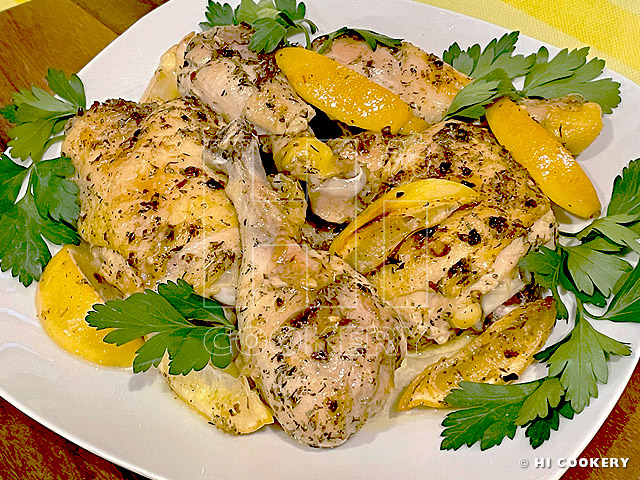
Kotopoulo Skorthato 

(Greek Lemon Garlic Chicken)
June: National Lemon Month

Toward the last year of our university studies, we befriended a new student from Crete. Christos H. was in the same education department as Islander and also went to our church. We would often go over to his rental house for Sunday dinners when our dorm cafeteria was closed. Fortunately, we got to partake in his homecooked Cretan and Greek meals, which often included the quick and affordable kotopoulo skorthato—chicken pieces baked in a lemony marinade with garlic, herbs and spices. Because Highlander had a lemon of a car, he was able to drive Christos to the grocery store to get the ingredients. Islander helped him in his kitchen and learned how easy it was to make this dish. More than three decades later, she still cooks this chicken on busy weeknights because it is simple to prepare and is tasty over rice or pasta. It’s a winner winner chicken dinner made with love and lemons! For National Lemon Month, cook up kotopoulo skorthato. 

Recipe

(Inspired by Christos C.)

Ingredients

  • 1-2 pounds chicken thighs and legs, bone-in with skin
  • ¼ cup extra virgin olive oil
  • 4 cloves of garlic, minced
  • ½ teaspoon salt
  • ¼ teaspoon pepper
  • 1 teaspoon dried oregano
  • 1 teaspoon dried thyme
  • ¼ teaspoon red pepper, crushed
  • 2 lemons, divided use

Directions

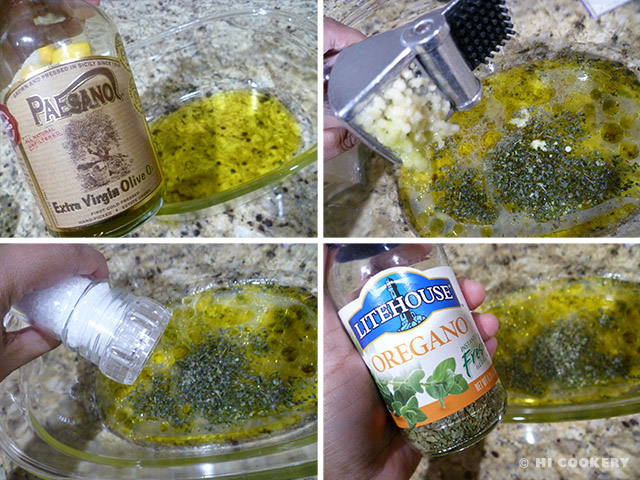
In a large bowl, stir the olive oil, garlic, salt and pepper. Add the oregano, thyme and red pepper. 
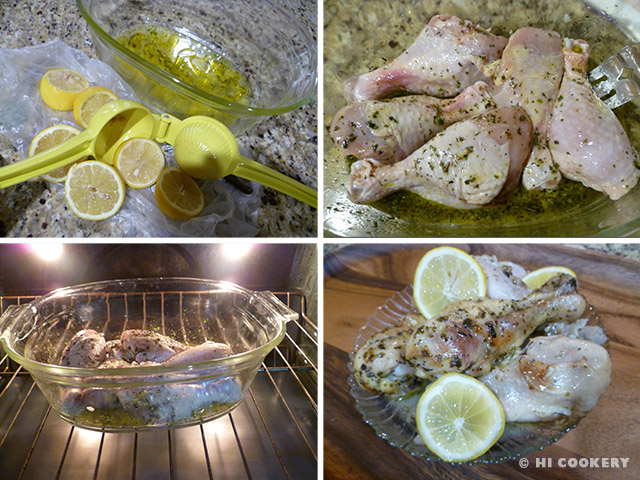
Zest and juice one of the lemons and add to the olive oil mixture. Toss the chicken in the bowl and coat it in all the seasonings. Layer the chicken pieces in a baking pan. Cut the second lemon into 8 wedges and place them in between the chicken. Pour the remaining olive oil mixture over the pan. Bake in a preheated oven at 375 degrees F for 40-45 minutes or until the chicken is cooked through. Transfer to a platter and spoon the pan juices over the chicken. Garnish with lemon wedges. Serve hot with rice or pasta.
Notes

  • This lemon chicken recipe is Greek, made with olive oil, garlic, herbs and spices. For the Chinese/local Hawaiian lemon chicken recipe, made of deep-fried pieces and a thick and tangy sweet lemon sauce, please click here.
  • Search our blog for other sweet or savory lemon recipes.
Juneteenth Tea Cakes

June 19: Juneteenth

We stumbled upon a nearby tea cake café in our town when we had a hankering for boba tea. But we were pleasantly surprised when we walked in and found that it was completely different from one of the dozen or so (yes—that many!) Taiwanese tea shops in our culturally diverse area. This tiny tea cake café was an actual bakery that sold Southern-style tea cakes, which aren’t cakes but more like a cake-like sugar cookie: soft to the bite and slightly sweet. The display case had an array of tea cake flavors, from berries to citrus and spiced to iced (frosted tops). The hospitable owner, an Afro-Caribbean lady whose forebears settled in the Gulf Coast of Texas, suggested we try the traditional flavor as a starting point and then taste the others (like glazed lemon, pink strawberry, nutmeg and Caribbean rum, of course). We ordered a few for our afternoon snack and still got our cold tea drink—not boba but iced hibiscus tea (the owner said the red color represents the blood of the slaves)—plus an edible education! We appreciated learning about tea cakes as much as eating them!

Tea cakes are the quintessential Juneteenth dessert. Now that it is an official federal holiday in the United States, more people can commemorate the emancipation of slaves and celebrate African American culture. We are fortunate to live an hour’s drive from Galveston, Texas, where Juneteenth began. But there have been a variety of events for many years before (it has been a state holiday since 1980) closer to home and we try to attend the freedom festivities to sample Soul and Southern food!

For our blog post, we made simple tea cakes, as the ingredients represent what most of the original plantation cooks may have had on hand in their meager pantries. For example, sometimes they had to do without real butter and used lard or vegetable shortening or had to substitute refined sugar for molasses instead. Now household staples, those ingredients were considered luxury items for the poor slaves. We kept things straightforward and followed an easy and adaptable recipe. Tea cakes are simple but have a special meaning and are now part of our observation of Juneteenth.

Recipe
(Adapted from Food Network)

Ingredients

  • ½ cup (1 stick) butter, unsalted, room temperature
  • 1/3 – ½ cup sugar, granulated white
  • ¼ cup brown sugar
  • 1 teaspoon vanilla
  • 1 teaspoon molasses
  • 1 egg
  • 1 ½ cups flour, all purpose
  • ¼ teaspoon salt
  • ¼ teaspoon baking soda

Directions

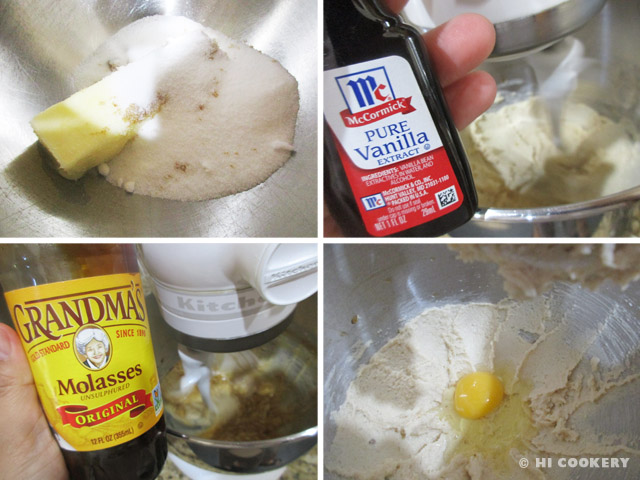
In a mixing bowl, cream together the butter with white and brown sugar. Stir in the vanilla, molasses and egg.

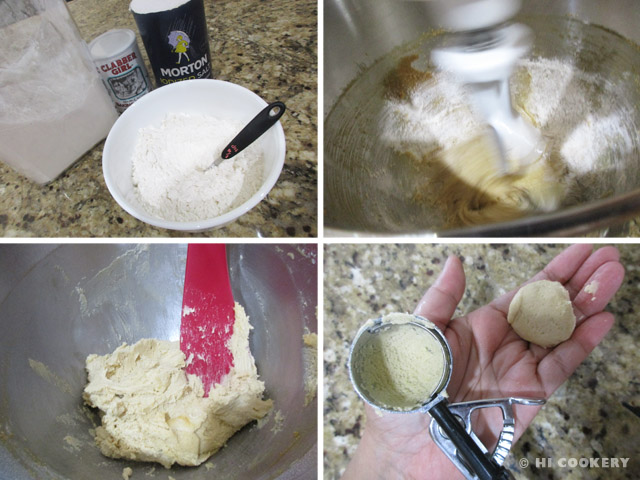
In a separate bowl, combine the flour, salt and baking soda. Gradually add the dry to the wet ingredients and mix until a dough comes together. Avoid overmixing. Scoop into balls (1 inch for mini tea cakes or 2 inches for larger). Place on parchment paper lined baking sheet.

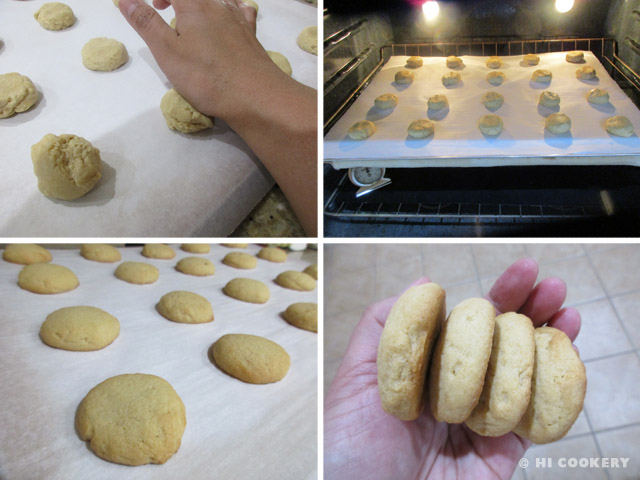
Slightly press down on the dough balls. Bake in a preheated oven at 350 degrees F for 8-10 minutes. Remove from the oven and cool on the baking sheet for 10 minutes. Transfer to a wire rack to cool completely. Store in tightly sealed container until ready to serve.

Notes

  • The tea cake café has had to close permanently, another small business that was the victim of the pandemic era’s economics. That is why it was important for us to learn how to make tea cakes so we could continue to eat them and share its historical and cultural significance with others (Islander gives them to her ESL students and food club friends and explains the snack’s significance).
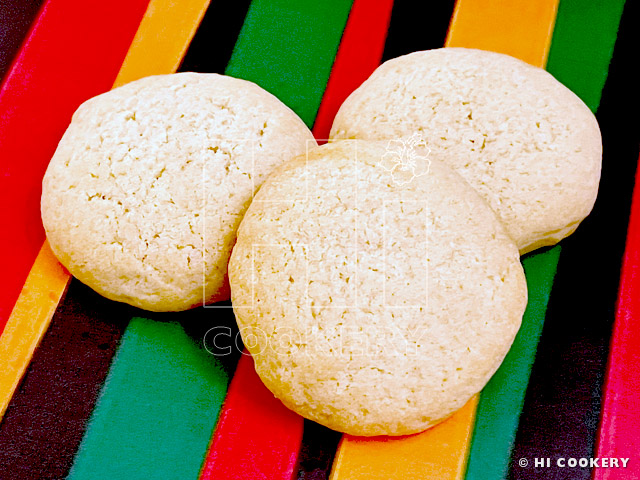
  • The original Food Network chef rolled the dough into a log and sliced them before baking. We formed them into balls, as suggested by some Southern members of the food club. They turned out just like the tea cakes sold at the café we used to go to—slightly domed with a soft center.

Fungee

June: National Okra Month

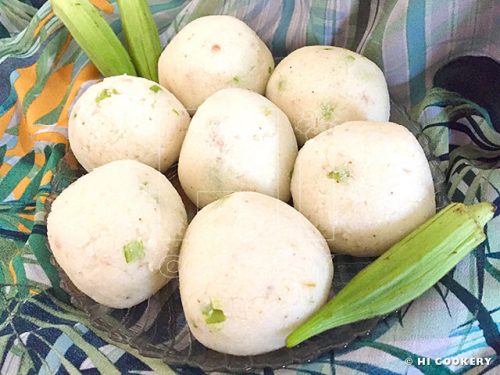
We had a few pods of okra left over and did not want to waste them. So we chopped them up and incorporated the little green bits into cute cornmeal balls called fungee (funjie). This simple side dish is from Antigua and Barbuda but many other Caribbean countries have a similar version. The recipe is easy, and it is often served with stews like pepperpot and fish dishes. We ate ours with grilled pork chops and bacon wrapped bananas. Savor the flavor of a year-round summer like in the Caribbean and during National Okra Month with a fun food from Antigua and Barbuda: fungee.

Recipe

(Adapted from National Foods)

Ingredients

  • 6 okra
  • 4 cups water
  • 1 teaspoon salt
  • 2 cup cornmeal
  • butter

Directions

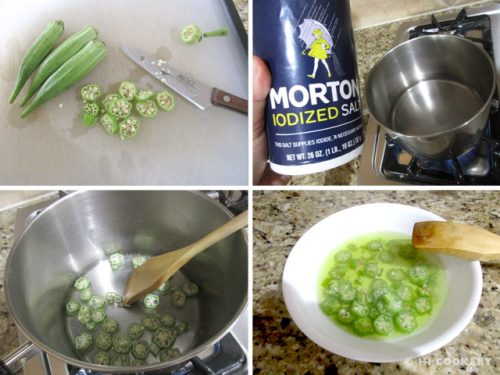
Chop the okra pods into small rings. Bring 2 cups of water to a boil. Add salt. Then cook the okra in the salted water for about 5 minutes or until softened. Transfer to a bowl with a slotted spoon.

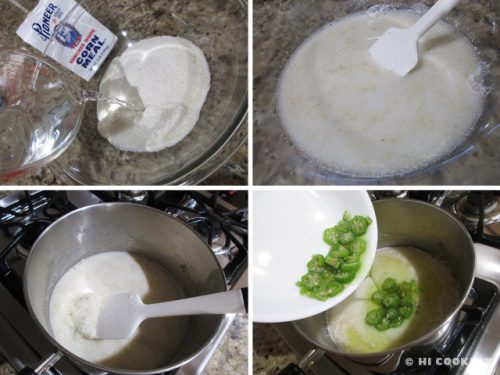
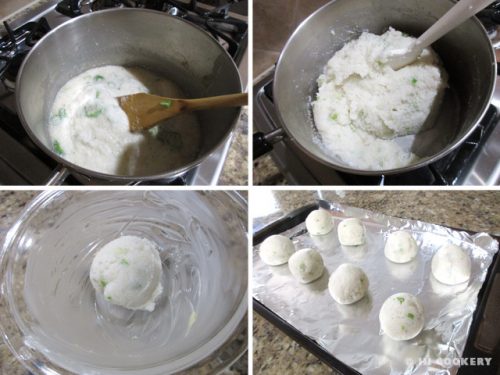
In the same pot, add the remaining 2 cups of water and cornmeal and keep stirring until it becomes like a thick paste consistency (5-10 minutes). Fold in the okra.

Add a little more water if the paste is too dry. Generously butter a small deep bowl. Scoop a handful size of paste and form a rough ball shape. Place in the buttered bowl and swirl it around quickly to keep the round shape. Place each on a flat surface. Serve warm.

« Previous PageNext Page »