COVID-19 Cake Pops

February 1: National Cake Pops Day

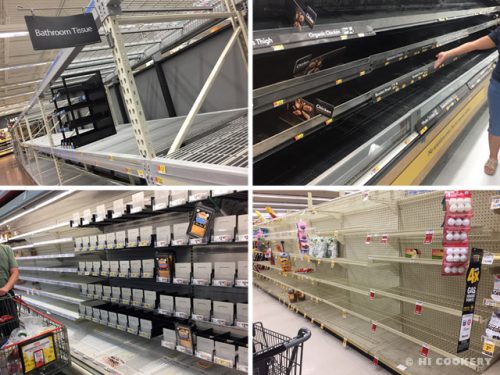
In the early days of the national lockdown due to the coronavirus, we would make a major infrequent trip to the nearest grocery store to stock up on essentials. Most of the shelves were bare as toilet paper, hand sanitizers, anti-bacterial soap, cleaning supplies, water, yeast, flour and even chicken were bought up in a panic.

Our closest Kroger was trying to get rid of some expiring baked goods at the time. So Islander placed a discounted slice of red velvet cake in our cart with the idea to make COVID-19 cake pops at home. She already had chocolate and candy melts in the pantry and only wanted to make a small batch dessert. It was a creative culinary attempt to infuse a bit of lighthearted humor during despondent days.

As the world is trying to weather the ups and downs, spikes and second waves of coronavirus cases of the global pandemic, we hope these cute cake pops bring a little sweetness to life, especially on National Cake Pops Day. Hope our readers have negative coronavirus test results and have positive attitudes and hope! Stay safe, everyone!

Recipe

Ingredients

  • Slice of red velvet cake
  • Chocolate candy melts
  • Red candy melts

Directions

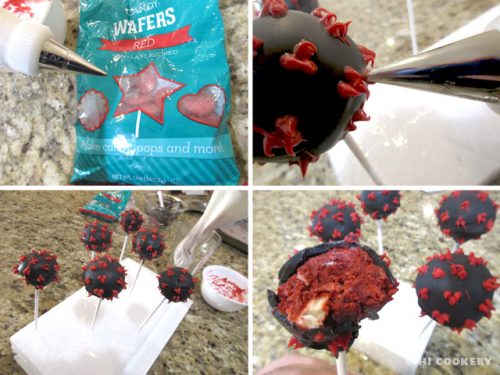
Scrape off a little bit of the frosting and filling from the red velvet cake slice. Crumble the cake in a bowl. Add a little of the frosting to the crumbled cake and mash with a fork until moist and sticky. Use a cookie scoop and shape into balls.

Set cake balls on waxed paper. Refrigerate to set. Meanwhile, melt some chocolate or dark candy melts according to the package directions. Dip the end of a lollipop stick in the melted chocolate and insert into a cake ball. Refrigerate to set. Dip the cake ball into the melted chocolate. Continue to cover the rest of the cake balls in chocolate. Refrigerate to set.

Melt red candy wafers according to the package directions. Fill a pastry bag with slightly cooled melted red candy. Using a small round tip (#2 or #3), pipe random spikes around the chocolate covered cake ball. Refrigerate to set.

Notes

  • As of this post date, Islander’s brother got his first vaccine and is scheduled to follow up this month. Her parents are also getting the vaccine. We are low on the eligibility list but hope to get it soon. Meanwhile, stay safe and healthy, everyone!
  • Serve these COVID-19 cake pops with a coronavirus cake.
  • Search our blog for other cake pop recipes.

Damper

(Australian Bush Bread)

January 26: Australia Day

We have not had the opportunity to travel to the Land Down Under. But we have friends from there, although they live in New Jersey, where we met when we lived there for a while, too. Gary and Girlie B. even got married on Australia Day! Their wedding reception concluded with fireworks over Sydney’s Opera House (we saw their lovely photo album).

We still visit with each other occasionally and they give us nice Aussie souvenirs, such as the aboriginal cloth featured in our food photo above with a bush bread called “damper”. It is very rustic and simple, traditionally baked with coals in a campfire or oven by drovers, stockmen and swagmen who had bare basic provisions of food supplies in the outback. But damper is delicious hot out of the oven, with its crustry bits and crumbs, and smothered with a little butter or jam, although it is traditional to eat it with golden syrup.

For a quick way to celebrate Australia Day, bake a quick bread from the bush—a delightful damper!

Recipe

(Adapted from Australia’s Best Recipes)

Ingredients

  • 3 cups self rising flour
  • 1 teaspoon salt
  • 3 tablespoons butter, melted (see Notes)
  • 2/3+ cup milk (water is traditional)

Directions

In a mixing bowl, combine the flour and salt. Melt the butter in the microwave and pour over the flour mixture.

Stir in the milk, adding a little more if the dough is too dry and crumbling. Mix until it sticks together. Turn out dough onto a lightly floured surface and roll into a round ball. Avoid overworking the dough as it will get too tough. Flatten into a 7-8 inch disk (or leave as a mound shape).

Brush the top with a little extra milk to brown the top when baking. Score some deep lines (and “X” or 8 wedge marks) on the top. Place  on a parchment paper lined baking sheet. Bake in a preheated oven at 400 degrees F for 20-30 minutes, or until the bread makes a hollow sound when tapped on the bottom. Remove from the oven and transfer to a wire rack to cool slightly. Slice into wedges and serve. Eat warm with butter, jam, golden syrup or honey.

Notes

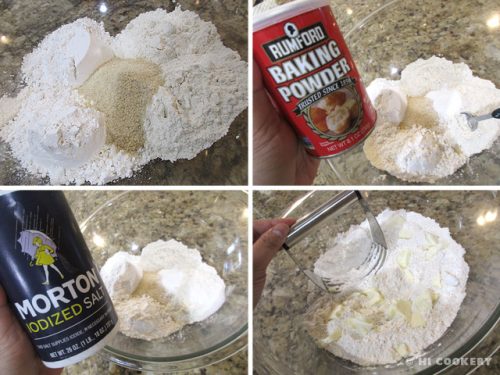
  • Some recipes suggest cutting up cold butter pieces and mixing cutting it into the dough with a pastry blender.
  • Feel free to sprinkle shredded cheese on top of the damper or experiment with different spices and flavorings in the dough.
  • Damper does not last for more than a day and is best eaten fresh as it hardens the following day.
  • Search for other bread and Australian recipes in our blog.

Chipas

(Paraguayan Cheese Buns)

January 20: National Cheese Lovers Day

Smile and say “cheese” “chipas”! We blogged before about Brazil’s pão de queijo. Now we are posting a similar recipe from its neighbor, Paraguay. Their cheese buns are called chipas. Both pão de queijo and chipas are made with tapioca starch/cassava or manioc flour to give it a nice, chewy texture. In this Paraguayan recipe, we used Parmesan cheese. These cute round cheesy buns are sure to bring smiles to those who eat them, as they are delicious hot and fresh from the oven as a snack or a side dish. Prepare Paraguayan chipas for National Cheese Lovers Day!

Recipe

(Adapted from Tablespoon)

Ingredients

  • 1 ¾ cup tapioca starch/cassava or manioc flour
  • 1 teaspoon baking powder
  • 1 teaspoon salt
  • ¼ cup butter, softened
  • 2 eggs
  • 8-10 teaspoons milk
  • 1 ¼ cups Parmesan cheese, grated

Directions

In a mixing bowl, combine the tapioca starch/flour with baking powder and salt. Add the softened butter. Beat in the eggs.

Slowly pour in the milk and mix until well combined. Fold in the cheese. Use a 1 ½ inch scoop and place dough on lightly greased baking sheet.

Bake in a preheated oven at 375 degrees F for 15 minutes or until lightly browned. Remove from the oven. Serve immediately.

Notes

  • If the dough is too dry, add a teaspoon of milk at a time.

  • Try other shredded hard cheeses in this recipe. Some may be saltier than others so adjust the seasoning to taste.

  • Search our blog for other recipes containing cheese.