Midori (Japanese Melon

Liqueur) Cake

April 29/May 4: Greenery Day (Japan) [みどりの日Midori no Hi]

We missed Greenery Day in Japan by just one day when we flew into the “Land of the Rising Sun” in 2019 for Highlander’s belated kanreki. But we arrived in time for Boys’ Day (May 5) and the culmination of Golden Week.  As spring has already sprung, the pink cherry blossoms have given way to all the natural green beauty of the country.

Greenery Day in Japan began on April 29, 1948, to celebrate the birthday of the emperor. In 1989, the Emperor’s Birthday was renamed as Greenery Day. In 2007, the date was moved from April 29 to May 4. The whole week includes holidays commemorating the Emperor’s Birthday, Constitution Day, Greenery Day and Boys’ Day (also known as Children’s Day).

We celebrated our own Greenery Day at home in Texas and reminisced about our trip to Japan by making a green cake. We even used a Japanese melon liqueur called midori to give it a little culture and color! And we ate a few slices of midori cake while we drank green (matcha) tea.

Make a midori cake for tea time and on Japanese Greenery Day.

Recipe

(Adapted from Food.com)

Ingredients

  • 1 box yellow cake mix
  • 1 small (3 ½ ounce) instant pistachio pudding mix
  • 4 eggs
  • ½ cup plain yogurt
  • ½ cup vegetable oil
  • ¾ cup Midori (melon liqueur)
  • ½ teaspoon coconut extract or flavor

Directions

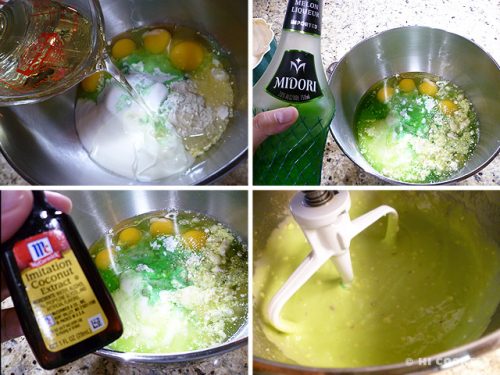
In a mixing bowl, combine the cake mix, pudding mix, eggs and yogurt.

Stir in the oil, Midori and coconut flavor. Mix until smooth.
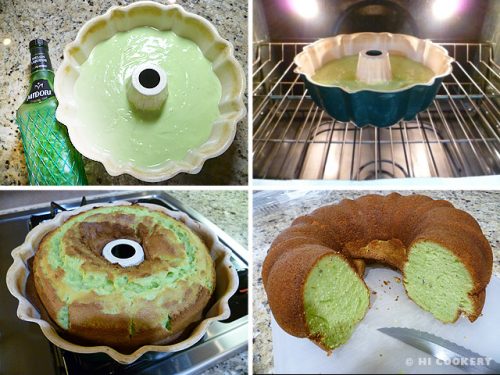
Pour into a greased bundt pan. Bake in a preheated oven at 350 degrees F for 40-45 minutes. Remove from the oven and cool completely. Overturn cake onto a plate or cutting board. Slice and serve.
Notes

  • Feel free to add a few drops of green food coloring to the batter to boost the hue of the Midori cake.
  • Sprinkle the top of the bundt cake with powdered sugar for a prettier presentation (optional).
Homemade Butter

May 1: National Butter Day

When Islander was in elementary school learning about food and dairy products, she and her classmates were divided into little groups and given jars of cream. Each student in the group would take turns shaking the jar until parts of the cream solidified into butter. After draining the buttermilk, everyone enjoyed spreading butter onto crackers and eating snacks together. It was a lot of fun and energetic way to learn about making butter from scratch (she wonders how she would have gotten through that lesson now since she has developed lactose intolerance in college; she takes pills for it).

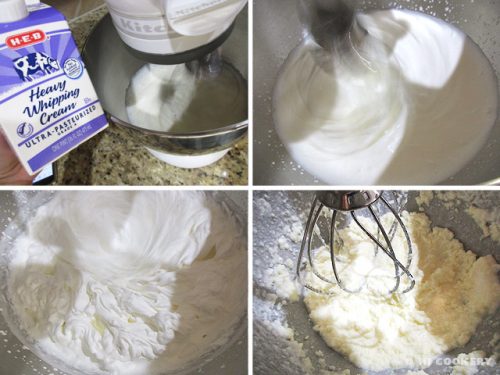
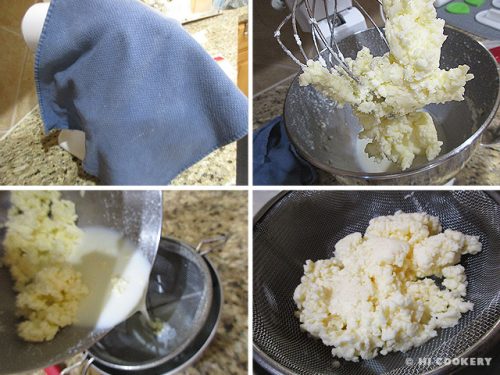
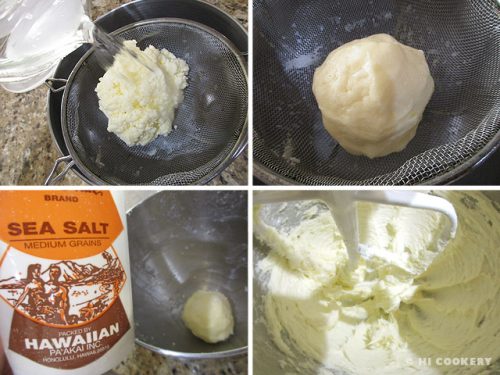
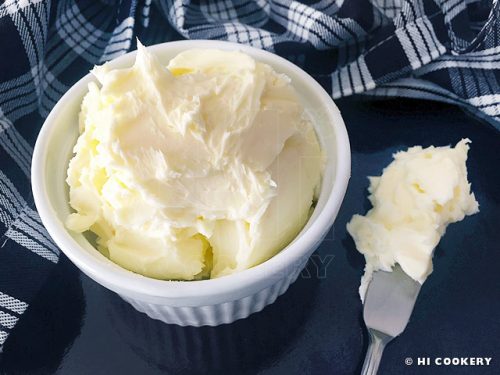
We decided to make butter at home—after our inattentiveness to beating heavy whipping cream turned out to look like a mess of light yellow wet cheesy curd. But that was just the butterfat separating from the buttermilk. We continued beating it further, then straining the liquid, and came out with real butter. A little Hawaiian sea salt and more beating gave us a creamy, spreadable, fresh and tasty butter. What a deliciously yummy mmmmm-mistake!

Now we overbeat the cream on purpose so we can have some homemade butter. Instead of shaking the cream in jars (or using a traditional churn), we simply let our Kitchenaid mixer whip up a batch of butter and buttermilk. This is a fun experiment with kids and a delicious way to observe National Butter Day.

Recipe

Ingredients

  • 2 cups (1 pint) heavy whipping cream, very cold
  • ice water
  • ½ teaspoon sea salt

Directions

In a cold mixing bowl with cold beaters (such as the Kitchenaid balloon whisk), pour the cream. Beat on low for a minute, then increase to medium speed and whip until soft peaks form. Increase the speed to high and beat for another 3-5 minutes.

Scrape the sides and cover the mixer with a towel or splash guard. Beat on high for another 3-5 minutes until the solids separate from the liquid. Place a strainer over a bowl and pour the liquids out from the butter; reserve the buttermilk for another use.

Transfer the solid butter to another bowl and squeeze out more liquids by rinsing with ice water until clear. Return butter to mixer and change to the whisk to the paddle attachment. Add sea salt (or other flavors) and beat until creamy. Store in a covered container for two weeks.

Notes

  • After straining the butter from its milk, return to the mixer and whip with some herbs, citrus zest or honey for different flavored butters.
  • Spread fresh homemade butter on bread/biscuits/toast/scones, use in recipes or make buttercream frosting.

Earth Day Cookies

April 22: Earth Day

Long before Hawaii was the first to ban plastic bags in America, Islander had won a design contest for a non-profit organization in her home state that wanted to give away free reusable grocery store bags. We have collected other freebie bags at festivals and events and bought some fancy ones at other stores (Islander admires fellow designer’s artwork on those bags). We always use them when we go shopping as we feel it is just one little but significant way to protect the environment. The few plastic bags that we do get from the stores are returned to their designated recycling bins.  [Learn more about the effects of plastic bags on the environment from the Health Guidance website.]

If the kanaka (Hawaiian people) revere the ‘aina (land) and it is just a small island chain in the middle of the Pacific Ocean, imagine if everyone could have the same love towards the whole world. We know we could do more than just reuse our grocery bags and recycle items. But if everyone could start becoming more aware of protecting our environment then we are taking important steps to save our planet. With this premise, the movement for Earth Day was created.

Earth Day is celebrating its 50thyear as an international “holiday” in 2020 and we made cute cookies for the milestone occasion. They are easy to make but we added the tiny fondant heart to make a bold statement on this global goodie.

Enjoy these cookies on April 22 but celebrate everyday Earth Day!

Recipe

Ingredients

  • ½ cup (1 stick) unsalted butter, melted
  • 2/3 cup sugar, granulated white
  • 1 teaspoon vanilla
  • 2 egg yolks
  • 1 ¼ cup flour
  • ½ teaspoon baking soda
  • ¼ teaspoon salt
  • blue and green food coloring
  • red fondant

Directions

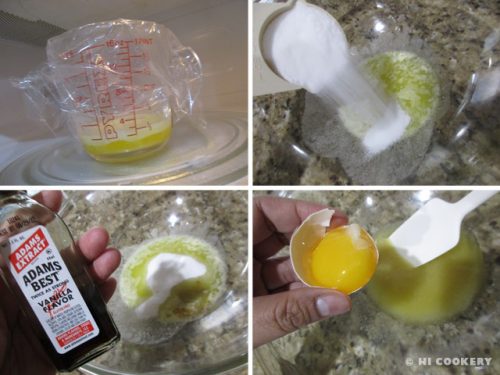
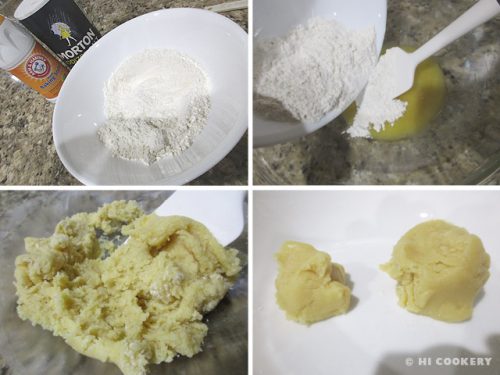
In a covered measuring cup, melt the butter in the microwave. Cool slightly. In a large bowl, combine the melted butter, sugar, vanilla and egg yolks.

In a separate bowl, combine the flour, baking soda and salt. Mix the dry ingredient with the wet ingredients until a dough comes together. Divide the dough in 1/3 and 2/3 portions.

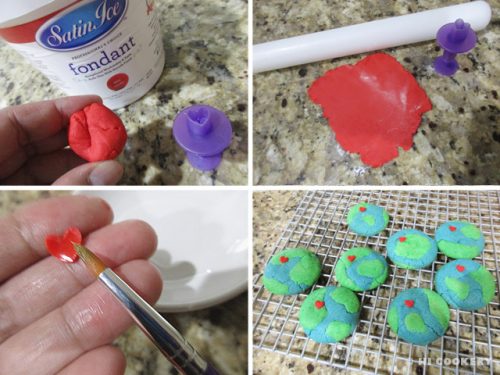
Color the larger dough portion with blue food coloring. Color the smaller dough portion with green food coloring. Pinch out a 1-inch ball from the blue dough. Pinch out little pieces from the green dough and randomly stick to the blue dough. Roll gently into a ball.

Place on lightly greased baking sheet. Bake in a preheated oven at 350 degrees F for 15 minutes, being careful not to overbrown the cookies. Remove from the oven, cool on the baking sheet for 5-10 minutes and transfer to a wire rack to cool completely.

Meanwhile, roll a small piece of red fondant on a clean, lightly floured surface to 1/16-inch thickness. Use a heart cutter/plunger to cut shapes. Brush the back of the mini fondant hearts with a dab of water. Position the hearts on the cookies. Serve on a tray. Store leftover cookies in a covered container.

Notes

  • We halved the recipe above just for the two of us.
  • Refrigerate the dough balls for 15 minutes before baking (optional).
  • If possible, wash the reusable grocery bags often to keep them clean and the food items safe from bacteria.
  • Learn more about the history of Earth Day from the History website.