On “Taco Tuesdays” at Islander’s brother’s congregational community house in San Antonio, Texas, the Catholic brothers and priests would host university students at a prayer social. When they were short-staffed, we helped out the Mexican cooks (husband and wife team Sr. Gregorio y Sra. Sylvia) in the kitchen, chopping up vegetables, preparing the buffet line and setting the dessert table. Appetizers were always tortilla chips, salsa and pico de gallo.
Pico de gallo is a chunky fresh vegetable relish and condiment that is easy to make. It is a delicious side dish to serve as a snack and appetizer for Cinco de Mayo and makes any meal feel like a fiesta!
Recipe
(Inspired by Gregorio and Sylvia P.)
Ingredients
2-3 Roma or plum tomatoes, chopped
1 small onion, chopped
1-2 jalapeño peppers, deseeded and deveined, finely chopped
handful of cilantro leaves, chopped
1 lime, juiced
salt and pepper to taste
tortilla chips for serving
Directions
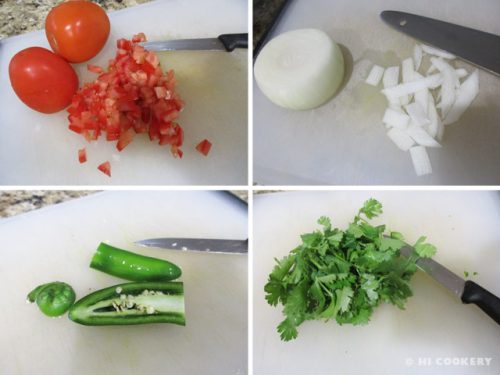
Prepare the vegetables by chopping the tomatoes, onions, peppers and cilantro. Add all to a mixing bowl.
Cut the lime in half and squeeze the juice into the vegetables. Salt and pepper to taste. Transfer to a serving bowl and serve with chips. Enjoy with cerveza (beer)!
Notes
We just love how the red tomatoes, white onion and green jalapeño peppers and cilantro leaves in this pico de gallo recipe are coincidentally the colors of Mexico.
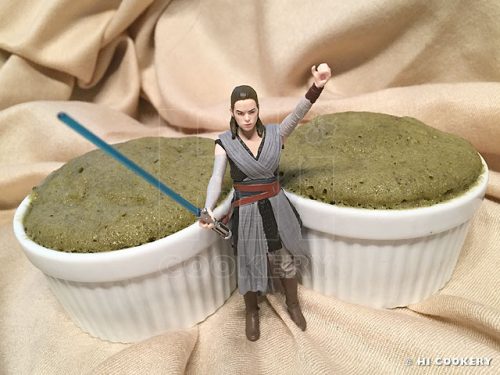
How about some quick gourmet for Star Wars Day? Then try these recipes for “Rey’s Portion Bread”. The “bread” heats up instantaneously, just like in the movie “Star Wars Episode VII: The Force Awakens”, and it is enough for a single serving (or two petite portions) for geeks on the go!
We have adapted two recipes for this blog post and used the magic of the microwave for the bread to cook quickly. They are as “appetizing as they look” (honestly, these mug cakes don’t taste that bad!). For Rey, the portion bread was her sustenance on the desert planet of Jakku; for film fans it could be an extra amusing snack or dessert on Earth. Either way, this is a fun food to eat on Star Wars Day. May the Fourth be with you!
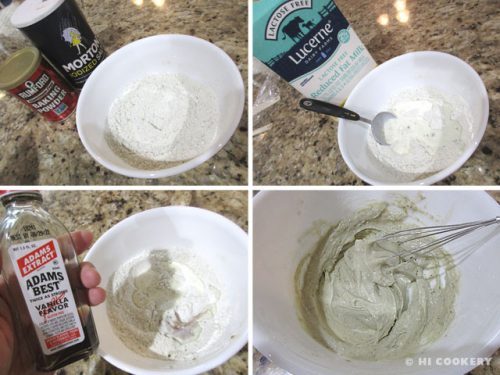
Grease a large ramekin or microwave safe mug or small bowl with the oil. In a separate bowl, combine the cake flour, sugar and matcha powder.
Add the baking powder and pinch of salt. Stir in the milk and vanilla until the ingredients are well combined.
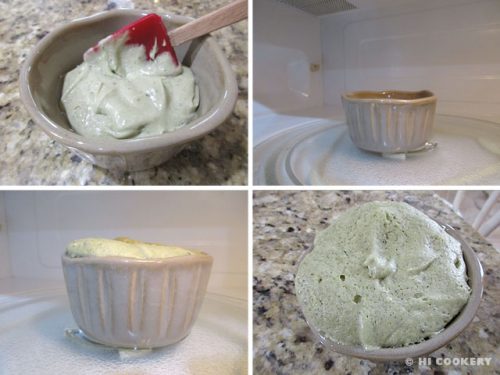
Pour into the greased ramekin. Place in the microwave and heat on high for 40-45 seconds. Carefully remove from the microwave and cool slightly before eating.
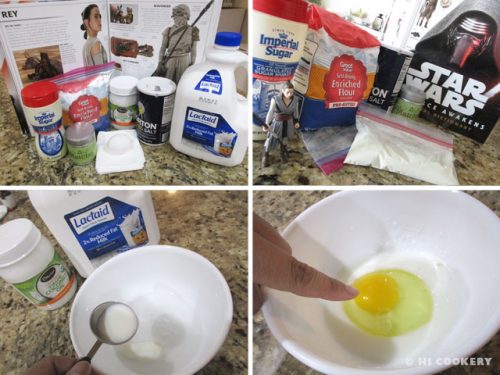
In a bowl or plastic bag (the latter is for later use), combine the matcha powder, flour, salt and sugar. In a small bowl, melt the coconut oil. Stir in the milk (cold milk will solidify the melted coconut oil).
Beat the egg into the oil-milk mixture. Add the dry to wet ingredients, stirring with a clean finger (like Rey did) or a whisk, until smooth and well blended. Portion the batter into two small ramekins (or one large mug). Microwave for 1½ minutes. Carefully remove from the microwave and cool slightly before eating.
Notes
In the second recipe, place the dry ingredients in a zipper top plastic bag (Rey received her rations this way) for later use. Whenever hunger hits, strike back like the Empire and prepare the portion bread by mixing the contents of the dry pack with fresh liquid ingredients.
If the mug cake looks a little undercooked, zap it in the microwave for another five seconds. Take it out and let the heat continue to cook as it cools slightly. Avoid overcooking as it will turn as hard as an asteroid rock.
Thanks to Islander’s brother for letting us borrow his Star Wars book, “The Force Awakens Visual Dictionary”, for the food photos above.
We have attended “Star Wars Celebration III” in Indianapolis, Indiana, in 2005. Islander and her brother attended “Star Wars Celebration” in Chicago, Illinois, in 2019. Both were FANtastic experiences!
Look for more Star Wars recipes on our blog by searching under the Theme Menussection.
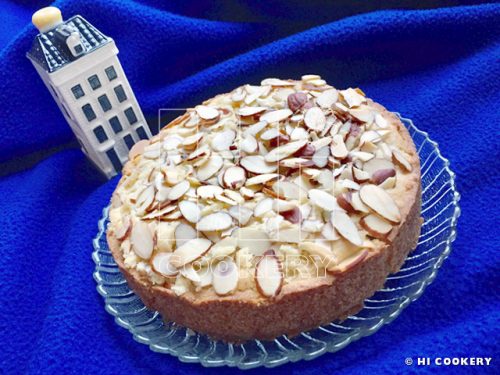
We can’t afford to fly business class and collect other cute mini houses. But we can easily make a mini Dutch butter cake. We halved the original recipe because it is rich (like people who can travel luxuriously on KLM), especially since we used European-style butter with a creamier and higher fat content. This type of butter makes this snack cake very flavorful. So splurge on this ingredient to make boterkoek on National Butter Day.
½ cup (1 stick) butter, softened (we used European style butter)
¾ cup sugar, granulated white
½ tablespoon almond extract
1 egg
1 ¼ cups flour
1 teaspoon baking powder
¼ cup sliced almonds
Directions
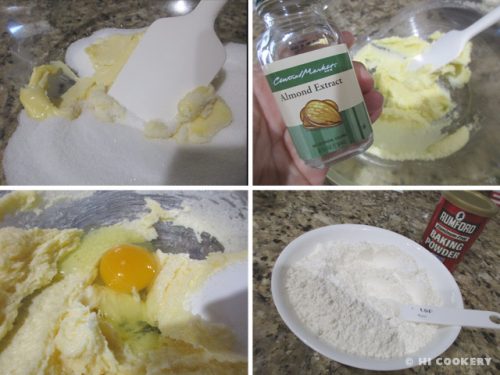
In a large bowl, cream the butter with the sugar. Stir in the almond extract. Beat in the egg. Set asude, In another bowl, combine the flour with baking powder.
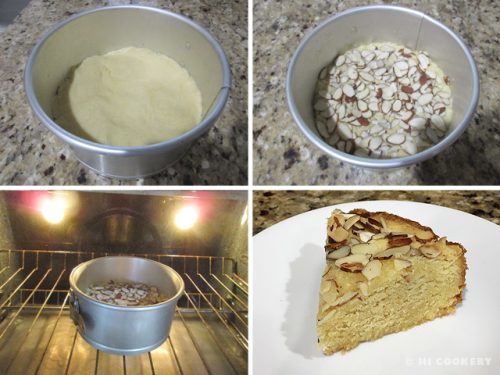
Gradually blend this into the butter mixture until smooth. The batter will be thick. Grease a 6-inch round cake pan. Press the batter into the pan. Sprinkle the sliced almonds over the top. Bake in a preheated oven at 350 degrees F for 30 minutes, testing the cake with a toothpick for doneness. Remove from the oven and let cool. Remove from the pan. Slice and serve.
Dia duit and aloha. Failte and
e komo mai. Greetings and welcome to HI Cookery! Highlander and Islander (HI) are gradually building this blog by attempting to "cook the calendar" with ethnic and eclectic recipes.





 HI COOKERY