Cornmeal Fufu (Ugali)

August 11: National Fufu Day

We served as marriage preparation sponsors for a Nigerian couple at our church during the pandemic. They had to delay and reschedule their Catholic wedding and massively scale down the celebration. But the intimate ceremony (strictly a 25-people limit, according to CDC social gathering guidelines at the time) followed by an at-home reception (in the bride’s family mansion!) was a much more personalized and lovely experience, focusing on the couple more than a traditionally and typically extravagant event itself.

We witnessed the bride’s father, who is revered like a chief in the ex-pat Nigerian community, preside over the kola nut ceremony to welcome everyone to his family’s home and the marriage celebration. Highlander got to taste the bitter nut while Islander was offered a Coca-cola instead of the kola (see Notes). 

After prayers, speeches and libations/toasts, we were already hungry after a long day. The colorfully-clad ladies had prepared a delicious buffet of favorite and festive foods. We were not familiar with the menu items but we enthusiastically enjoyed trying Nigerian food. 

The ladies were also so gracious to pack us leftovers so we could enjoy them the following day. In our takeaway containers, we found a spongy-white dough wrapped in plastic. Fufu is a starchy staple found not just in Nigerian cuisine but all over Africa and the Caribbean. It is made with ingredients commonly found in the area (yams, cassava, plantains and cornmeal). It is a little bland but fufu is a great complement to the flavorful stews and soups.

For National Fufu Day, which is a relatively new holiday, we tried a cornmeal fufu recipe. It goes well with the West African shrimp in peanut sauce stew recipe. Rie nke oma.

Recipe
(Adapted from African Bites)

Ingredients

  • 4 cups water
  • 1 teaspoon salt
  • 2 cups white fine cornmeal
  • Vegetable oil

Directions

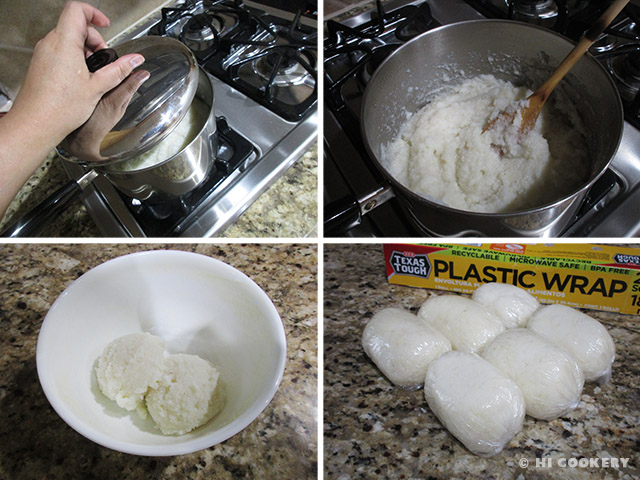
In a large, heavy saucepan, boil the water. Add salt. Remove one cup of the water and set aside. Reduce the heat to medium. Gradually stir in the cornmeal a little at a time, mixing until well blended. Reduce the heat to low. Mash any lumps and keep mixing until smooth, adding a little of the reserved water at a time. 

Cover and simmer for another 10 minutes, making sure that the bottom of the pan does not burn. Remove from heat. Stir the mixture. Grease a small bowl with a little oil. Scoop out about ¾ – 1 cup of the mixture and place it in the greased bowl. Swirl the bowl around until it forms a smooth round or oblong shape. Repeat with the remaining mixture. Transfer to a serving platter. Or package them in plastic wrap for individual servings when needed.

Notes

  • Fufu is known as ugali in east and central Africa. Learn more about the different types of fufu from OkayAfrica.com’s “Quick Guide to Fufu.” 
  • Fufu is fungee in Antigua. See the recipe we made with bits of okra here.
  • Read more about the cultural significance of kola nuts of the Nigerian Igbos from the Face2Face Africa website. 
  • Although we were offered utensils, we ate with our hands at the Nigerian house reception. We assured our hosts we were comfortable doing so, as we had participated in a similar Filipino “boodle fight” (kamayan).

Johnny Cakes/Bread

July 10: Bahama Independence Day

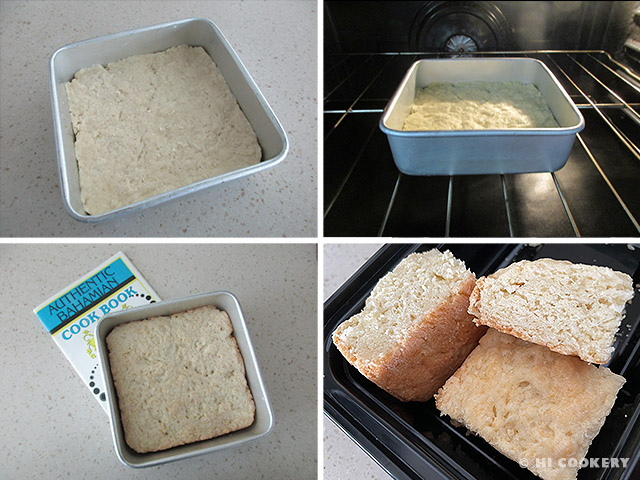
At the end of a project, Islander’s former client Janet A. sent a small goodie box of Bahamian guava and pineapple jams, mini rum bundt cakes and a little cookbook as an appreciation gift. Janet knows we are foodies and we enjoy samples from other countries. The jams were delightful reminders of Islander’s Hawaii home when we lived on the mainland, and the bundt cakes were a tasty indulgence as well. The cookbook was very “homestyle” and the directions were not so clear. But the recipes gave us an introduction to what Bahamians like to eat. And from that cookbook, we got some menu ideas and searched online for recipes, like this one for johnny cake.

Johnny cakes are common throughout the Caribbean, brought from North America through the slave trade. The cakes, which have a slightly sweet taste and bread/biscuit-like texture, travelled well on the road and were known as “journey cakes”—the forerunners of johnny cakes. Whereas they are flat and cooked in a griddle like pan cakes in other Caribbean countries, the ones from the Bahamas are baked. There are also many variations of johnny cakes throughout the North American Atlantic coastal states and the Caribbean; the Australian version is a “damper”.

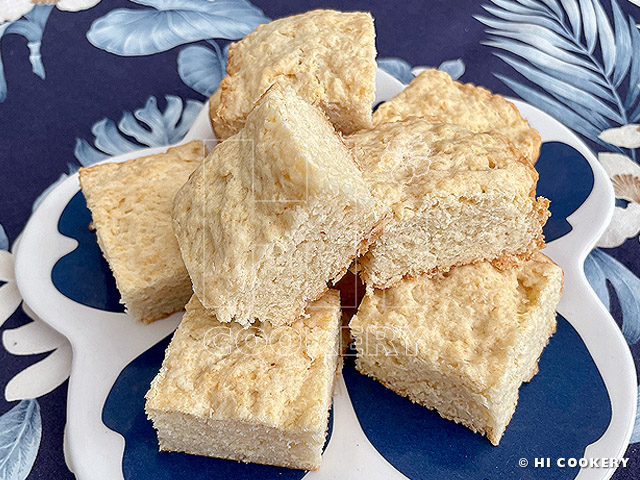
This simple side dish is enjoyed with other Bahamian foods that we made, inspired by the little cookbook that Janet gave us. To honor our friend and her compatriots, we baked Bahamian style johnny cakes to celebrate the Bahamas Independence Day.

Recipe

(Adapted from Nassau Paradise Island)

Ingredients

  • 3 cups flour, all purpose
  • 1 teaspoon salt
  • 1 tablespoon baking powder
  • ¼ cup sugar
  • ½ cup butter, cold
  • 2/3 cup milk (we used lactose-free)

Directions

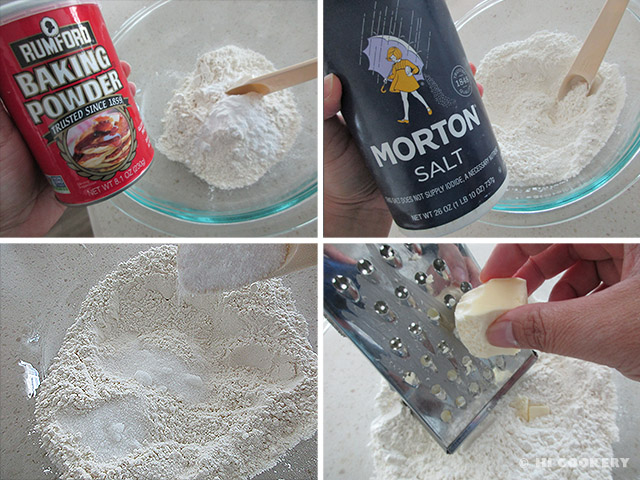
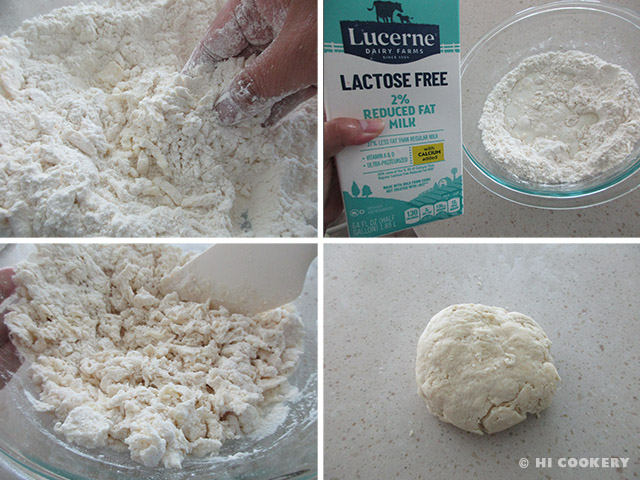
In a large bowl, combine the flour, salt, baking powder and sugar. Grate the cold butter into the bowl and mix until it resembles coarse crumbs. 

Stir in the milk and mix to make a dough. Transfer to a clean, floured surface and knead until the dough is smooth. Let it rest for about 10 minutes. 

Meanwhile, grease a 8×8-inch square pan. Press the dough into the pan. Bake in a preheated oven at 350 degrees F for 25-30 minutes or until the top and edges are golden brown. Remove from the oven and cool on a wire rack. Cut into squares. Store leftovers in airtight containers.

Notes

  • We halved this recipe to feed just the two of us. We pressed our johnny cake dough into a greased 6×6-inch square pan.
  • Serve johnny cakes with chicken souse or Bahamian “fire engine”
  • Fruit jams like the ones Janet sent to us are also delicious when spread on the johnny cakes.
  • We wanted to try to make other Bahamian recipes, but we could not find fresh conch in our area.

Raspberry Oat Scones

July: National Raspberry Month

When raspberries are in season, we love the bright fruits at their peak of sweetness. We eat them throughout the year, though, whether in a simple Scottish dessert, chranachan, for Burns Night, Scottish gatherings and our summertime suppers. To change up our tastes a bit, we use raspberries in Scottish oat scones, too, for breakfast, brunch or afternoon tea (and still eat chranachan for dessert!). Too much raspberries is a good thing and we enjoy indulging in raspberry oat scones during National Raspberry Month.

Recipe

(Adapted from Good Housekeeping)

Ingredients

  • 1 ½ cups old-fashioned (rolled) oats, divided use (reserve more for the topping)
  • 2 cups flour, all-purpose
  • ½ cup sugar
  • 1 teaspoon baking soda
  • 1 teaspoon baking powder
  • ½ cup (1 stick) butter, unsalted
  • ¼ cup crystallized ginger, diced small
  • 1 lemon, zested
  • ¾ cup fresh raspberries
  • ¾ cup buttermilk

Directions

In a food processor, pulse one cup of oats until finely ground. Pour the ground oats into a large mixing bowl with the flour, sugar, baking soda and baking powder.

Grate the cold or frozen butter into the dry ingredients. Mix until it resembles coarse crumbs. Stir in the ginger and lemon zest. Lightly toss in the raspberries, being careful not to burst the juices too much. 

Add in the remaining ½ cup oats. Gradually mix in the buttermilk. Blend to form a dough but avoid overmixing. Transfer dough to a clean, floured surface. Shape into a ½-inch thick rectangle.

Cut diagonally then straight to form triangles. Place at least 2-inches apart on a parchment paper-lined baking sheet. Top each scone with additional sprinkles of oats. Bake in a preheated oven at 400 degrees F for 25-30 minutes or until browned. Remove from the oven and cool on wire racks. Serve with butter or clotted cream.

Notes

  • Instead of a long rectangle shape to cut triangle scones, make a ½-inch thick round and cut into wedges. 
  • Search our blog for more recipes containing raspberries.