Herbes de Provence Sablés

June 10: National Herb and Spice Day

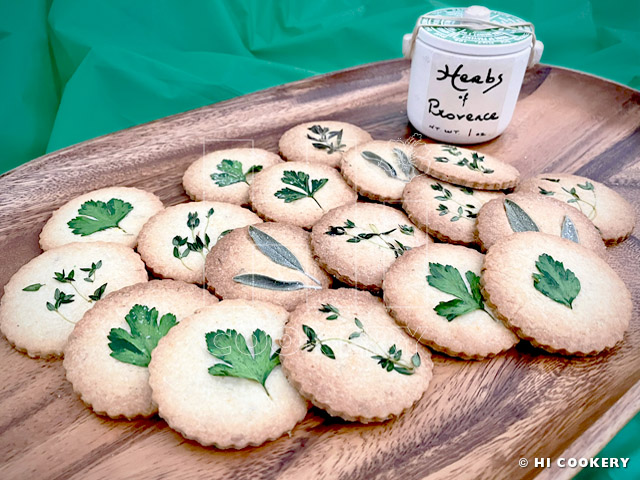
Islander’s culinary club challenged members to make something with herbs and spices for the meeting theme. While others made savories, she made sweets–cute cookies *literally* seasoned with herbes de Provence and decorated with parsley, sage and thyme leaves.

Herbes de Provence originated from the French Provençal region as an all-purpose seasoning. There are different variations of the dried herbal mix but most likely includes thyme, basil, rosemary, oregano, tarragon, marjoram, savory and bay leaves. 

Typically used to season meat, fish and vegetable stews, herbes de Provence are a unique ingredient to add to a lemony sablé (sandy shortbread) recipe. The decorated cookies, made in a “laminated” decorating technique, look eye-catching on the table, tastes delicious and are perfect for National Herb and Spice Day.

Recipe

(Adapted from Teatime Magazine)

Ingredients

  • 1 teaspoon herbs de Provence
  • 1/3 cup sugar, granulated white
  • ½ teaspoon salt
  • Zest of 1 lemon
  • ½ cup unsalted butter, softened
  • 1/3 cup powdered sugar
  • 1 egg yolk
  • 1 ½ cups flour, all purpose
  • Fresh herbs (parsley, thyme, sage, etc.)

Directions

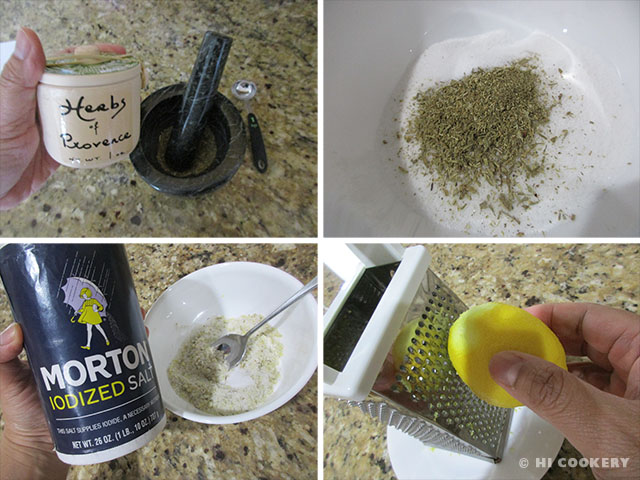
Use a mortar and pestle to ground the herbs de Provence finely. Transfer to a small bowl to mix with the sugar and salt. Add the lemon zest and incorporate well with the herbs mixture.

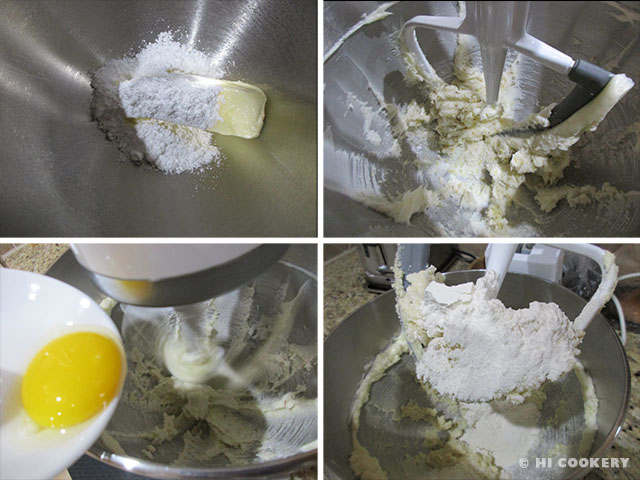
In a larger bowl, cream the butter with the powdered sugar, along with the herbs mixture. Beat in the egg yolk. Gradually mix in the flour until a dough starts to form. It will be a little crumbly so use hands to knead until it all sticks together.

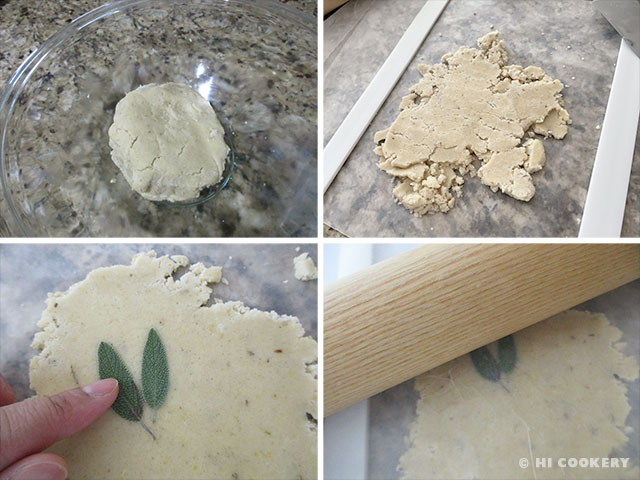
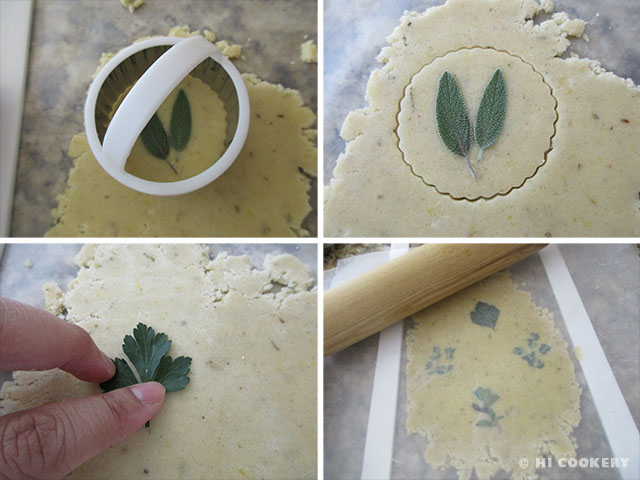
Roll out the dough on waxed paper to ½ inch thickness. Place pieces of herbs about 2-3 inches apart on top of the flattened dough. Place another piece of waxed paper on top and roll out to ¼ inch thickness, making sure that the herbs are pressed well into the dough.

Position a round, fluted cookie cutter and center it over the herb on the dough. Cut out the round shape and place on a parchment paper-lined baking sheet. Re-roll dough and continue cutting out the herbs in the center with the cookie cutter. 

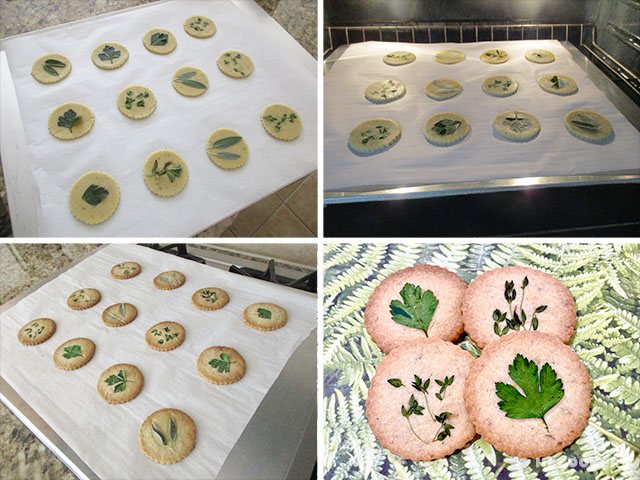
Space them about an inch apart from each other on the sheet. Bake in a preheated oven at 350 degrees F for 10-12 minutes or until the cookie edges are lightly browned. Remove from the oven and let cool completely. Arrange the cookies randomly on a platter to showcase the variety of herbs. Yield: Approximately 2-2 ½ dozen cookies.

Notes

  • We bought our herbes de Provence in a labeled jar at Williams-Sonoma (or Sur La Table?). We can’t remember exactly but it can be ordered online as well.
  • Rinse, clean and pat dry fresh herbs for “laminating” onto the cookies. We tried thyme, sage, parsley and found the latter easier to press and stay on the dough. A variety of other green herbs laminated on the cookies would look pretty on a plate.
  • We also serve our sablés at a garden tea party for a sweet Southern summertime treat.
  • Search our blog for more recipes containing herbs and spices.

Muhallebih

(Iraqi Milk Pudding)

June 1: World Milk Day

National Milk Day can be scary for Islander and those with dairy allergies. She must either avoid eating any milky, creamy or cheesy foods or take a lactase enzyme for her to tolerate them. Not wanting to miss out on this fun food holiday, she used a lactose-free and nut milk alternative to make a Middle Eastern dessert to post on our blog.

We have seen muhallebih (muhalabia) on the menus of the Middle Eastern restaurants we go to. But the real cow milk in these puddings scare away Islander from ordering them. To save her tummy and her money, she makes muhallebih at home with Lactaid or almond milk (whichever one we have readily available in our refrigerator). Cow milk has a fuller-bodied flavor than lighter nut milk in this recipe. Either way, this Iraqi milk pudding makes a quick, easy and refreshing dessert and is perfect for National Milk Day.

Recipe

(Adapted from Little Sunny Kitchen)

Ingredients

  • 2 cups milk
  • ½ cup sugar
  • 1 tablespoon rose water
  • 3 tablespoons cornstarch
  • Pistachios, chopped (optional garnish)

Directions

In a saucepan over medium heat, stir together the milk and sugar, being careful not to burn the bottom of the pan. Stir in the rose water.

Add the cornstarch and continue to stir to thicken. Divide pudding into dessert cups. Let cool to room temperature before putting in the refrigerator to chill. Chop some pistachios and sprinkle over the pudding cups before serving cold.

Notes

  • This Iraqi milk pudding is similar to but simpler than Afghani milk pudding with fewer ingredients. This one does not have cardamom or saffron. 
  • Rose water may be substituted with orange blossom water, a typical ingredient found in Middle Eastern sweet recipes.

Kachumbari

(Kenyan Tomato-Onion Salad)

May: National Salad Month

Islander’s brother, K, occasionally goes to Kenya as a guest speaker at one of the mission houses of his congregation. He stays for a week after his presentation, then enjoys going on a morning safari, mingling with his African brothers and priests and, of course, eating the local foods at the congregational buffet. 

Kenyan cuisine is influenced by local tastes, British colonial culture and Indian immigrants. So he was able to taste a wide variety of stews, starches, grilled meats and desserts. To stay healthy and balanced, he also ate the typical tomato-onion salad called kachumbari; in Swahili, it is basically “tomato and onion salad”. It reminded him of pico de gallo back in San Antonio, Texas (he has sinced moved to Ohio for a different ministry position).

During National Salad Month, try a simple salad from Kenya—kachumbari.

Recipe

(From Brother K via the Kenyan Cook)

Ingredients

  • ½ red onion, sliced lengthwise
  • Salt
  • Cold water
  • 3 Roma tomatoes, chopped
  • 1 cup cucumber, peeled and diced
  • 1 avocado
  • 1 lime or lemon
  • 2-3 tablespoons cilantro, chopped finely

Directions

Cut the onion down the middle and discard the outer skin layers. Use one half to slice into slivers. Place in a large glass or metal bowl. Sprinkle with a little salt to remove the sharpness. Pour cold water to cover the onions. Set aside. Meanwhile, chop the tomatoes. Peel and dice the cucumber. Drain the water from the onion bowl.

Add the tomatoes and cucumber into the onion bowl. Squeeze the lime or lemon juice over the bowl. Cut the avocado in half lengthwise. Remove the seed and skin. Chop into chunks. Gently mix avocado with the onions, tomatoes and cucumber. Stir in chopped cilantro. Transfer to individual serving bowls or small salad plates. Serve chilled. Yield: Approximately 4 servings.

Notes

  • Add a minced jalapeño or chili pepper for heat.
  • Search our blog for more salad recipes.