Fried Grits Cake

September 22: National Grits for Breakfast Day

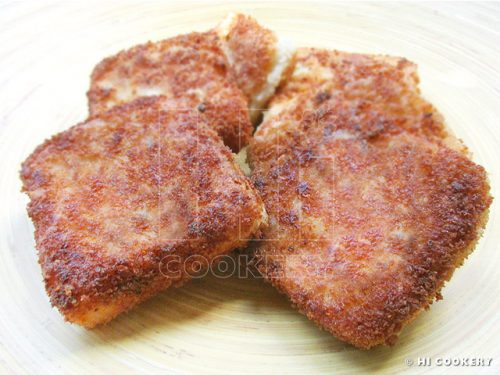
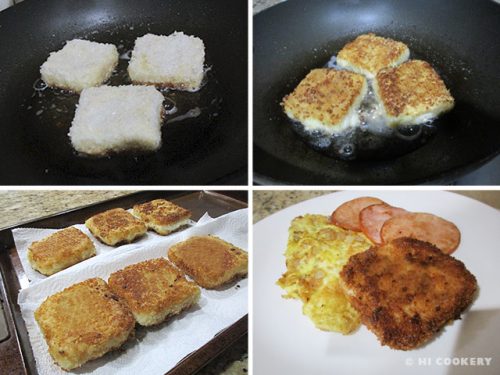
Having lived in Oklahoma and now in Texas, we have found grits to be on many restaurants’ breakfast menus. Grits are corn that has been ground into a coarse meal and boiled. They are very popular in the South and Southwest of the United States, having originated from the Native Americans who ate maize-types of porridges. We would eat grits for breakfast instead of oatmeal as a change but they were kind of bland and boring to us. But when fried into cakes, grits are great!!! Serve as a side dish with eggs and bacon or sausage for a Southern-style morning meal on National Grits for Breakfast Day.

Recipe

Ingredients

  • 4 cups cooked grits (including water)
  • 4 cup Parmesan cheese
  • salt and pepper to taste
  • flour
  • 1 egg, beaten
  • panko (Japanese bread crumbs)
  • oil for frying

Directions

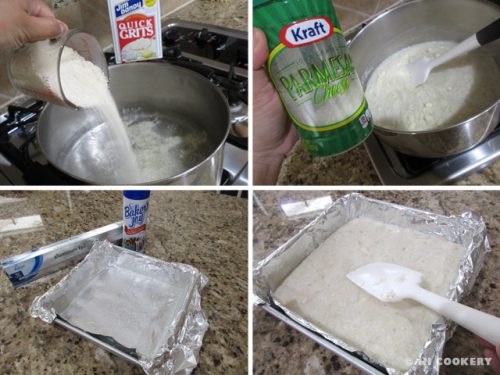
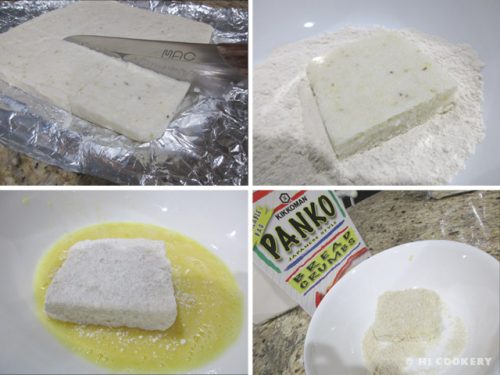
Cook grits according to the package instructions, reducing the water by about ½ cup. When done, stir in the cheese. Season with salt and pepper. Line an 8×8-inch square pan with foil, leaving a little overhang for the “handles”. Grease the foil with butter or cooking spray. Pour in the cooked grits and spread evenly. The grits should be no thicker than ½ inch. Cool completely (may be refrigerated) to solidify.

Lift the foil from its handles and place on cutting board. Slice the solidified grits into squares (may use circle or cookie cutters for different shapes). Dredge a piece into flour that has been seasoned with salt and pepper. Then dip into the beaten egg and back into the flour. Press lightly into the panko, shaking off excess.

Fry in hot oil on one side until brown and crispy. Carefully flip to brown and crisp the other side of the grits cake. Drain on paper towels. Serve hot for breakfast.


Apple Dumplings

September 17: National Apple Dumpling Day

When we lived in Illinois, we would visit the apple orchard at Kuipers Family Farm in Maple Park, and attend some of the fall events there. When we lived in San Antonio, Texas, we took fall road trips with our friends to Lost Maples in Vanderpool then stopped by Love Creek Orchards Cider Mill and Country Store in Medina for a snack. We enjoyed eating desserts at these places made with fall’s quintessential fruit—the apple.

We have several apple recipes on our blog, but here is an easy glazed dumpling dessert we made especially for National Apple Dumpling Day. Apple dumplings are like mini apple pies but when apples are encased in rich puff pastry and served warm à la mode with vanilla ice cream, they become a fancier fall treat!

Celebrate National Apple Dumpling Day, three National Apple Months (September, October and November) and the autumn season with apple dumplings.

Recipe

(Adapted from Food Network)

For the apple dumplings

  • 1/3 cup brown sugar
  • 3 tablespoons raisins
  • 2 tablespoons pecan chips
  • ½ teaspoon ground cinnamon
  • 1 lemon, zest and juice
  • 4 small apples (we used Granny Smith)
  • 1 sheet puff pastry, thawed
  • 2 teaspoons butter (divided into 4 pieces)
  • 1 egg + 1 tablespoon water (for the egg wash), beaten

Directions

In a bowl, combine the sugar, raisins, pecan chips and ground cinnamon. Stir in the lemon zest and juice. Mix till moistened.

Peel, core and slice the apples in half. Unfold the thawed puff pasty onto a lightly floured surface. Roll to about 12 inches square. Cut in quarters (6×6 inches). Place the apples on each square.

Spoon filling into the middle. Place butter pieces on top of the filling. Take the corners of the puff pastry square and fold towards the middle to seal the dumplings. Place them seal-side down on a lightly greased baking pan.

appledumplingssteps3

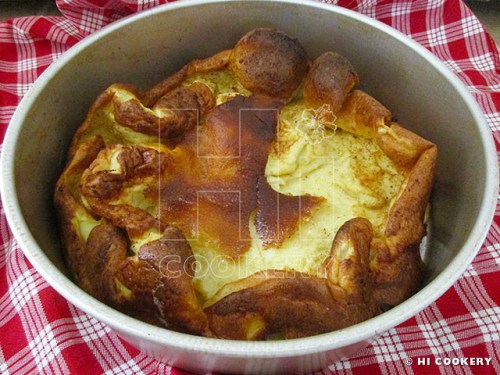
Brush with egg wash. Bake in a preheated oven at 375 degrees F for 30 minutes. The pastry should puff up more, turn golden brown and soften the apples inside. Transfer to a wire rack.

For the glaze

  • 1/3 cup confectioner’s sugar
  • ½ teaspoon lemon juice
  • 2 tablespoons water
  • 1 tablespoon butter

Directions

In a small pan, combine the powdered sugar, lemon juice, water and butter. Simmer over medium low heat, stirring until the butter has melted and the liquid is slightly thickened. Remove from heat. Brush over the apple dumplings. Serve in individual dessert plates with vanilla ice cream (optional).

Notes

  • Search our blog for more apple recipes.

Arepas con Carne Mechada

September 15- October 15: Hispanic Heritage Month

A few years ago, we sponsored the marriage of Danielito and Elaine L. at a neighboring Catholic church in our area. The groom grew up in Venezuela and wanted to bring something special to share as an appreciative gesture at one of our marriage preparation dinner sessions. What a nice break for us from cooking and what a treat to try a new cultural food. He cooked a typical Venezuelan dish called arepas (corn cakes) filled with carne mechada (pulled beef), which is their version of a hearty sandwich. Before bringing the final food to us, he and his fiancé/now wife had practiced preparing it in his apartment several times until Danielito felt it was just right enough to share his recipe. It is also nice to know that this couple worked as a team to cook together, which bodes well in their married life.

Muchas gracias to Danielito for sharing his recipe with us! Venezuelan-style arepas con carne mechada make a good meal, especially during Hispanic Heritage Month.

Recipe

From Danielito L.

For the carne mechada (pulled beef)

  • 2 ½ – 3 pounds flank or skirt steak
  • 1 white onion, diced + 3 tomatoes, seeded + 1 bulb of garlic
  • 2 tablespoons of onion/tomato/garlic mix
  • 1 onion, diced
  • 5 cloves of garlic, minced
  • 1 tablespoon tomato paste
  • 1 tablespoon cumin powder
  • 1 tablespoon adobo power
  • 1 tablespoon annatto powder

Directions

Prepare the beef by boiling the steak in water for about an hour or until it is soft enough to be pulled by hand. Use just enough water to cover the steak. Take the beef out, drain and let cool, reserving the beef froth for later. Shred the beef by pulling each individual strand.

In a blender, puree the diced white onions, seeded tomatoes and bulbs of garlic until it is a paste-like consistency. Save this combination when making the beef filling.

In a large pan, stir-fry the second diced onion with minced garlic until lightly brown. Lower the heat and add the shredded beef in the pan. Add the “onion/tomato/garlic” mixture. Stir in the tomato paste.

Sprinkle the meat with cumin, adobo and annatto powders. Mix everything together thoroughly. Add enough beef broth to cover the bottom of the pan. Stir and simmer in low heat, checking periodically to make sure the beef is not dry. Adjust spices to taste. Keep warm while making the arepas.

For the arepas

  • 1 cup arepa flour (precooked corn meal) [see Notes]
  • ½ – 1 teaspoon salt (optional)
  • 1 ¼ cup water
  • oil for cooking the arepas
  • shredded cheese (optional garnish)
  • chopped cilantro (optional garnish)

Directions

In a mixing bowl, place the arepa flour and salt (if using). Slowly mix in the water and stir well, making sure everything is absorbed. Let stand for five minutes. Divide into 6-8 pieces and roll into balls. Flatten to no more than ½ inch thick.

Under medium high heat, coat the bottom of a skillet with oil. To avoid splattering, carefully slip in a few pieces of the flattened dough and brown each side (takes at least five minutes). Flip over and continue to brown the arepas. Drain on paper towels.

When ready to serve, slice in the middle but do not cut all the way to the other end. Open and fill with carne mechada. Serve with shredded cheese and chopped cilantro (optional garnish).

Notes

  • Arepa flour (also known as masarepa or harina precocida) is precooked corn meal and should not be confused with masa harina. Find this in the Latin aisle of the grocery store or in Latin markets.
  • Search our blog for other Latin-inspired recipes for Hispanic Heritage Month.