Byzantine Spice Cake

March/April: Palm/Passion/Pussy Willow Sunday

Although we lived in the Chicago suburbs of Elgin, Illinois, for five years, we did not really explore the other Lenten traditions in the area’s Christian churches. Then when Islander’s brother went on his sabbatical year at the Catholic Theological Union, she took the opportunity to return to the city to visit him downtown and her Ukrainian friend Olga W. in Skokie.

She stayed in a guest room across from her brother’s in the CTU dormitory where other priests, brothers and sisters were residing on the same floor. Brother Chet F. from the Congregation of the Holy Cross invited a group of us to go with him to Annunciation of the Mother of God Byzantine Catholic Parish in Homer Glen for Palm Sunday. The beautifully painted church with traditional iconography was made even more festive with fresh palm fronds—plus pretty pussy willows.

Islander later asked Olga, who attended Russian Orthodox Church services in her youth, about the pussy willows. She explained that in some colder countries in Europe, palm leaves were not readily available but pussy willows were symbolic of spring so were used instead during Palm Sunday celebrations.

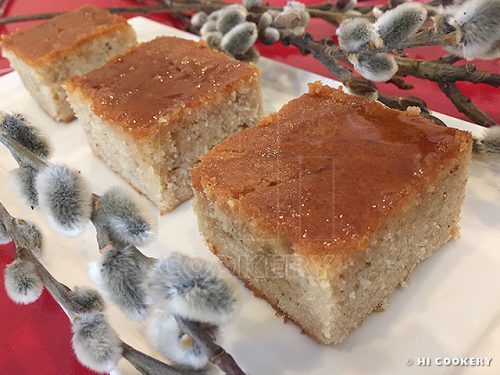
It was very interesting to learn about the pussy willow tradition at the Byzantine church. So for our blog post, we have featured a recipe for Byzantine spice cake that can be made for Palm/Passion/Pussy Willow Sunday.

Recipe

(Adapted from Genius Kitchen)

For the spice cake

  • 1 cup canola oil
  • 1 ½ cups sugar
  • 3 eggs
  • ½ cup + ½ cup yogurt (plain Greek yogurt)
  • ¼ teaspoon baking soda
  • ¼ cup orange juice
  • 2 ½ cups flour
  • ½ teaspoon ground cinnamon
  • ½ teaspoon ground cloves
  • ½ teaspoon ground nutmeg
  • ½ teaspoon ground mace or allspice

Directions

In a large mixing bowl, combine the oil and sugar. Beat in the eggs and ½ cup of yogurt.

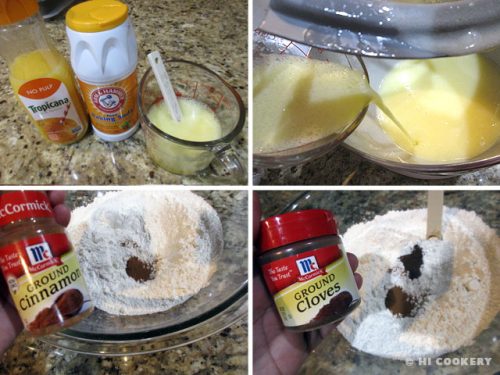
Add the baking soda and orange juice to the mixture. In another bowl, sift together the flour and spices (ground cinnamon, cloves, nutmeg and mace/allspice).

Mix the dry ingredients into the wet ingredients. Stir in another ½ cup of yogurt. Mix until smooth.

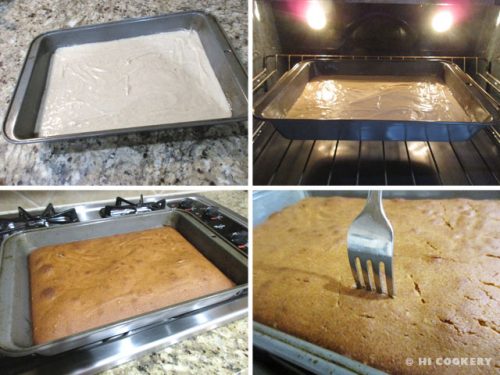
Pour the batter into a 9×13-inch greased baking pan. Bake in a preheated oven at 350 degrees F for 45 minutes, testing the cake for doneness. Remove from the oven. Poke holes in the cake with the tines of a fork. Let cool completely.

For the topping

  • ½ cup water
  • ¾ cup sugar, granulated white
  • ½ cup honey

Directions

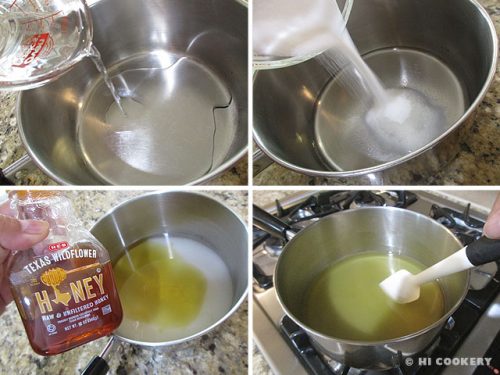
In a saucepan over the stovetop, mix the water, sugar and honey. Bring to a boil for 10 minutes, reducing heat as to not bubble over and splatter.

Mix until slightly thickened. Cover the saucepan for another five minutes. Pour hot topping over the cake. Spread the honey glaze over the top and let it soak. Cut into squares and serve.

Notes

  • This cake was really dense and dry and probably would make a good tea bread if baked in a loaf pan.
  • Plain Greek yogurt may be substituted for sour cream.
  • We halved the syrupy topping. It is sticky-sweet, which complements the very mildly spiced cake.
  • Search our blog for other Palm/Passion Sunday and Lenten recipes.

Spoonbread

February: Presidents’ Day (third Monday in February)

The fifth U.S. president, James Monroe (April 28, 1758-July 4, 1831), was a Virginian who loved southern home cooking. But his American tastes were probably influenced by the French when he played an integral part in negotiating the Louisiana Purchase with Napoleon Bonaparte in the early 19th century.

One of Monroe’s favorite foods was spoonbread, which is like a cross between a simple southern cornbread and a fancy French soufflé. This bread has a somewhat creamy consistency so is eaten with a spoon, instead of handheld like a firmer roll or bun.

In honor of President James Monroe, try spoonbread as a side dish on Presidents’ Day.

Recipe

(Adapted from Fine Cooking)

Ingredients

  • 2 eggs, separated
  • ½ cup cornmeal
  • 1 ½ cups milk, divided
  • ½ teaspoon salt
  • pinch of sugar
  • 1 tablespoon butter, plus extra for greasing the ramekins

Directions

Grease four half-cup ramekins with butter. Set aside on a baking tray. Crack the eggs and separate the whites from the yolks. Beat the egg whites until medium-stiff peaks form.

Meanwhile, in a mixing bowl, stir together the cornmeal with ½ cup of milk. In a saucepan, scald the other one cup of milk. Add the cornmeal mixture, salt and sugar. Keep stirring over medium heat until thickened (about 5-10 minutes).

Remove from heat and mix in the butter and egg yolks. Fold in the egg whites. Divide batter between the prepared ramekins.

Bake in a preheated oven at 350 degrees F for 45 minutes to an hour or until the spoonbread is puffy with a golden brown crust. Serve hot out of the oven with a spoon and an extra pat of butter on top (optional).

Notes

  •  We halved the original recipe to feed just the two of us.
  • Avoid overbaking or microwaving the leftovers as the spoonbread will harden when cooled. It is best to eat this hot right out of the oven.
  • When Islander was a child, she and her family lived in President James Monroe’s home state for four years when her Daddy was stationed in Norfolk, Virginia, and served in the U.S. Navy.
  • Search our blog for other Presidents’ Day and patriotic recipes.

Lunar New Year Candy Bars

January 25 (2020): Asian Lunar New Year

Happy new year (again)! In an attempt to make edible spring couplets, Islander asked her adult ESL students to write Korean and Chinese greetings and well wishes on auspiciously red-colored confectioners candy bars. The activity was a nice break from the usual reading/conversation/pronunciation lessons for the day and gave her students a chance to share some sweet candy, traditions and information about their cultural observances of the lunar new year with others at school. Simply make this fun and festive food to ring in the Year of the Rat!

Recipe

Ingredients

  • Red candy melts (Wilton brand)
  • White tube icing

Directions

Melt the candy melts according to the package instructions. Stir until smooth. Pour into rectangular candy molds. Cool to set. Unmold carefully onto paper towels.

Using a small round tip on the white tube icing, write short new year greetings in Chinese or Korean characters. Let dry but do not stack.

Notes