Bastani

(Persian Saffron Ice Cream)
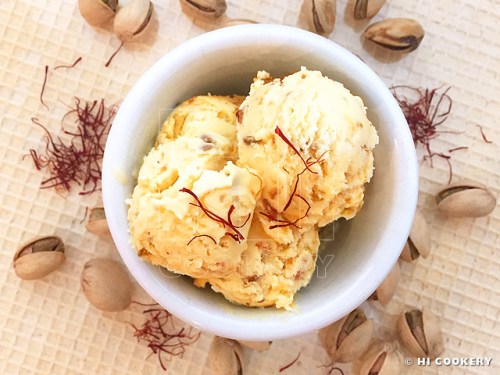
July: National Ice Cream Month

Before Highlander entered Islander’s life nearly three decades ago, she was friends at university with an Iranian-Persian Ph.D. student in the dorm. Ali M. used to joke and tell everyone that he would buy her hand in marriage with 12 white camels. She answered back that he could just buy her some ice cream! So they would walk off campus with a bunch of other dorm friends to an ice cream parlor and enjoy the frozen treats and everyone’s company. When Highlander moved into the same dorm a couple of years later, there were no hard feelings between him and Ali. In fact, he welcomed us in his physics lab where he was working on an experiment for his doctoral dissertation. And we all still went out to eat ice cream for a much needed study break afterwards! Always a funny guy, Ali said he wished the parlor could serve bastani as the 32nd flavor option. Bastani is a traditional Persian ice cream flavored with saffron, rosewater, cardamom and pistachios.

We do miss those dorm days and all our international university friends at the ice cream parlor. So we were happy to discover Persian and Middle Eastern restaurants where we now live and try bastani after all these years. Islander immediately searched for no churn bastani recipes and adapted one for our blog post. It is a delicious dessert to serve during the summer and throughout National Ice Cream Month.

Recipe

Ingredients

  • 2 cups (1 pint) heavy whipping cream, divided use, cold
  • saffron, generous pinch
  • 1 tablespoon rose water
  • 1/2 cup pistachio nuts, chopped
  • 1 can (14 ounces) sweetened condensed milk

Directions

In a small bowl, place two tablespoons of whipping cream. Heat in the microwave for 15 seconds. Stir in some saffron threads, pressing on the side of the bowl to release its flavor and color. Stir in the rose water. Chop the pistachio nuts into small pieces.
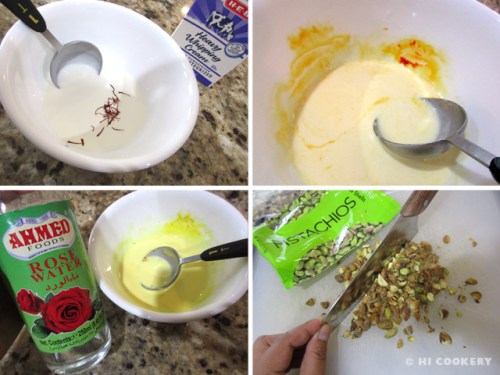
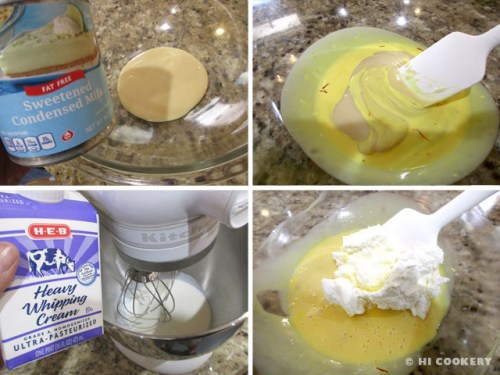
In a large bowl, pour the condensed milk. Stir in the saffron mixture. Beat the remaining whipping cream until stiff peaks form. Fold into the condensed milk mixture.
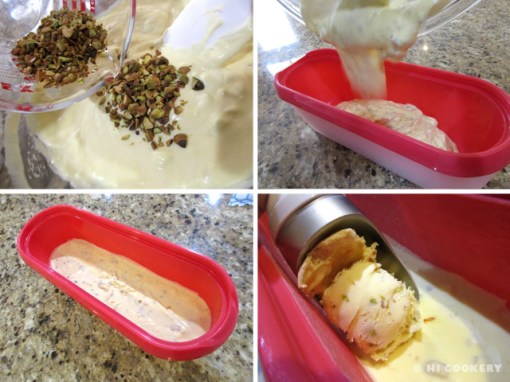
Stir in the pistachios. Place in a loaf pan or ice cream container. Cover and freeze for at least six hours or overnight. Remove from the freezer. Scoop into dessert dishes or wafer cones or serve with wafer sheets.
Notes

  • Bastani is traditionally served with a wafer slice. The final food photo above shows a background of a wafer sheet that we bought at a Middle Eastern specialty grocery store. Bastani can be scooped in wafer ice cream cones for a similar taste.
  • Search our blog for other no churn ice cream recipes.
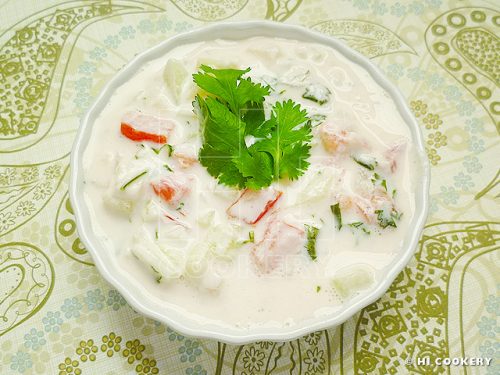
Cucumber-Cilantro Raita

June 14:National Cucumber Day

Our Indian friends, Govind and Vathsala S., cook hot and spicy vegetarian foods. While tasty and delicious, Islander cannot take the heat so they serve her raita to cool off her burning mouth (Highlander says she is a wimp)!

Raita is a creamy condiment that includes a mixture of yogurt or curd with fresh chopped vegetables (savory raita) and/or fruits (sweeter raita). We are more used to the savory version with cooling cucumbers to offset the fiery curries and dishes that our friends cook (even though they tone it down somewhat for Islander, she still thinks the food is too spicy for her).

As the weather heats up and the summer season approaches, keep cool as a cucumber with a raita recipe on National Cucumber Day.

Recipe

(Inspired by Govind and Vathsala S.)

Ingredients

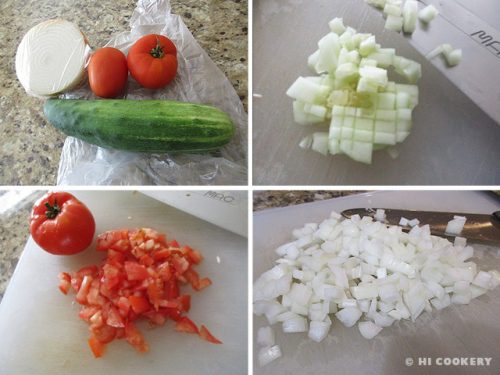
  • 1 cucumber
  • 2 tomatoes
  • 1 small onion
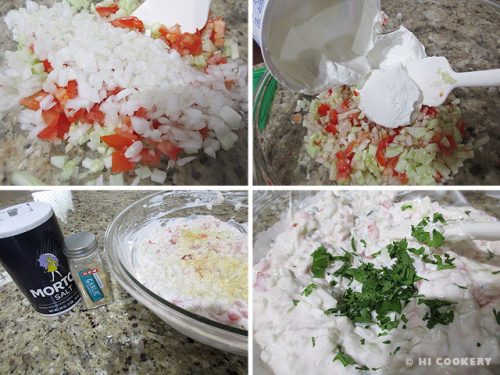
  • 1 cup yogurt
  • salt and pepper to taste
  • ½ teaspoon garlic powder
  • 2-3 tablespoons cilantro leaves, chopped

Directions

Wash, dry, peel and chop the cucumbers. Chop the tomatoes and onion. Place all in a large bowl.

Stir in the yogurt. Season with salt, pepper and garlic powder. Mix in the cilantro. Cover and refrigerate for an hour to allow the flavors to blend. Serve as a side dish garnished with a sprig of fresh cilantro leaves.

Notes

  • There are different variations of raita. Some recipes call for scallions instead of round onions, mint instead of cilantro and cumin or coriander instead of garlic powder. A few raitaare sprinkled with red chili pepper, which Islander thinks would defeat the dish’s cooling properties.
  • Eastern Europeans have a similar recipe to raita. One Polish recipe, mizeria, uses cucumbers mixed in sour cream instead of yogurt.
  • Search our blog for other cucumber recipes.

Falafel

June 12: International Falafel Day

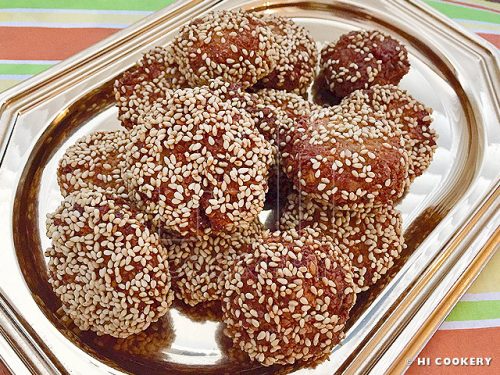
Falafels are one of our all-time favorite Middle Eastern foods! We eat them at ethnic festivals and Mediterranean restaurants around the United States. But when we visited Egypt and United Arab Emirates, we were able to taste a variety of this vegetable-based appetizer. They were served during breakfast buffets at the finest luxury hotels as well as on the roadside as street snacks and at fast food courts. We prefer them plain with a dipping sauce but falafels may be eaten as a filling in sandwiches. Either way, cooking and eating falafels are a fabulous way to observe International Falafel Day!

Recipe

(Adapted from Sol. S.)

Ingredients

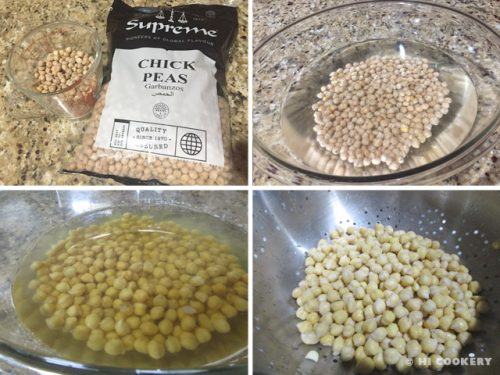
  • 1 ¼ cups dried chickpeas/garbanzo beans
  • ½ sweet onion, chopped
  • 3 garlic cloves, crushed
  • 1 tablespoon parsley, finely chopped
  • 2 tablespoons cilantro, finely chopped
  • 1 lemon, zested
  • ¾ teaspoon salt
  • ¼ teaspoon cayenne pepper
  • ½ teaspoon ground cumin
  • ½ teaspoon ground coriander
  • ¼tsp. ground cardamom
  • ½teaspoon baking powder
  • 3 tablespoons water
  • 1 ½ tablespoons flour
  • ½ teaspoons sesame seeds for coating (optional)
  • 3 cups oil for frying (vegetable, sunflower or other light oil)

Directions

In a large bowl, place the dried chickpeas and immerse them in water about twice as much their volume. Soak overnight to soften. Drain and rub off any leftover skins.

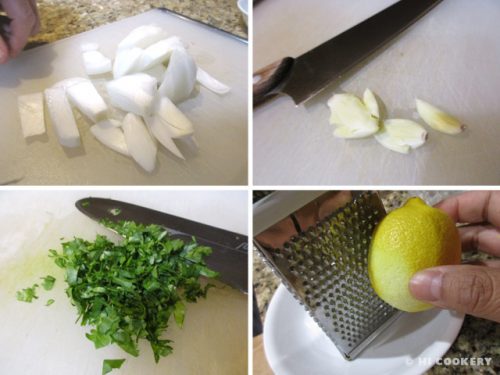
Chop the onions, crush the garlic cloves and chop the parsley and cilantro leaves. Zest the lemon.

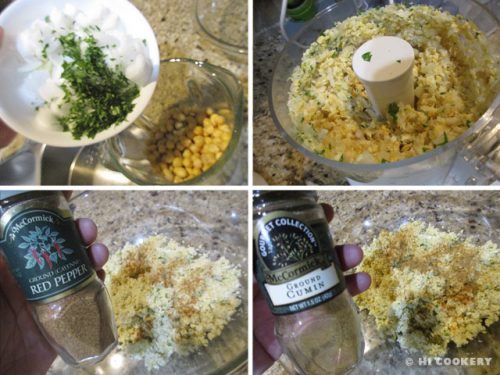
In a food processor, grind the chickpeas with onion, garlic, parsley and lemon zest until fine and grainy but not mushy and pasty.

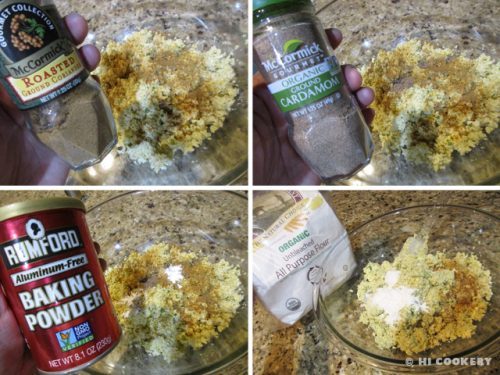
Place the mixture back in a bowl and mix with cilantro, spices (salt, cayenne pepper, cumin, coriander and cardamom). Add the baking powder, water and flour. Cover the bowl and refrigerate for an hour to allow the flavors to blend.

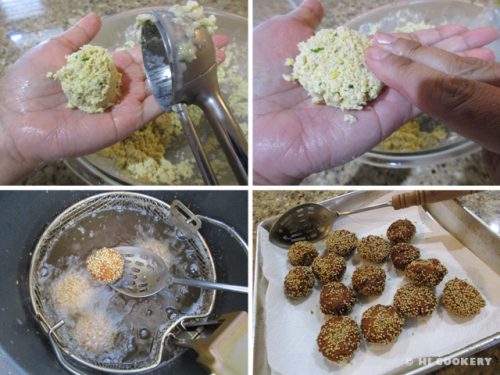
Use a scoop to form 2-inch balls. Press gently so the mixture holds together. Flatten slightly into patties.  Sprinkle with sesame seeds if using. Deep fry in hot oil for 3-5 minutes until golden brown (make sure the centers of the falafels are cooked through). Drain on paper towels. Serve while still warm.

Notes

  • We like to freeze the uncooked falafels to hold their shapes better. On a baking sheet lined with waxed paper, put the uncooked falafels in a single layer. Freeze until firm. Transfer frozen uncooked falafels in a container and seal well until ready to deep fry.
  • Some people make falafels in mini sausage shapes or balls. Keep the mixture small so they cook through better and are crisp on the outside instead of bread-like (larger and thicker falafels might not cook all the way in the center).
  • Serve falafels warm with tahini, hummus or spiced yogurt dipping sauces or in a pita pocket with vegetables as a sandwich.