Queen Elizabeth’s Drop Scones
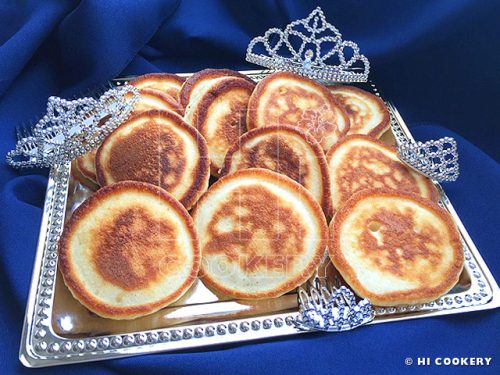
October 12, 2018: The Royal Wedding Day of Princess Eugenie of York and Jack Brooksbank

Those who live on the west side of the Atlantic Ocean and are planning to follow the second British royal wedding of the year must wake up really early to watch any news reports due to time differences. A simple British-inspired breakfast with tea and scones would make still-sleepy fans rise and shine for the celebration of marriage between Princess Eugenie and Jack Brooksbank (a low-key event compared to her cousin Prince Harry and Meghan Markle’s wedding on May 19).

We have made many royal recipes for our blog before and are now including Queen Elizabeth’s own drop scones for this occasion. Also known as Scotch pancakes (which are basically like American-style “silver dollars”), Her Majesty served these to U.S. President Dwight Eisenhower when he visited her at Balmoral Castle in Scotland in 1959. Her old family recipe is included in the National Archives.

Drop scones/Scotch pancakes/silver dollars are a perfect option for celebrating the royal wedding early in the morning or for a tea time breakfast or brunch. Congratulations to Princess Eugenie and Jack Brooksbank on their wedding day!

Recipe

(Adapted from Town and Country magazine)

Ingredients

  • 3 cups flour
  • 2 teaspoons baking soda
  • 3 teaspoons cream of tartar
  • 2 eggs
  • 4 tablespoons sugar (superfine preferred)
  • 1 ½ cups milk
  • 2 tablespoons butter, melted (we used European/Irish style unsalted butter)

Directions

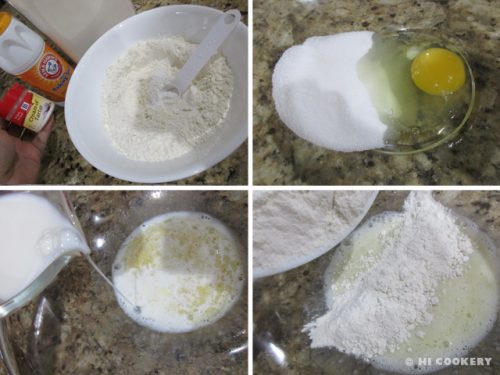
In a bowl, combine the flour, baking soda and cream of tartar. In another bowl, beat the eggs with the sugar. Add half the milk. Gradually mix in the dry ingredients.
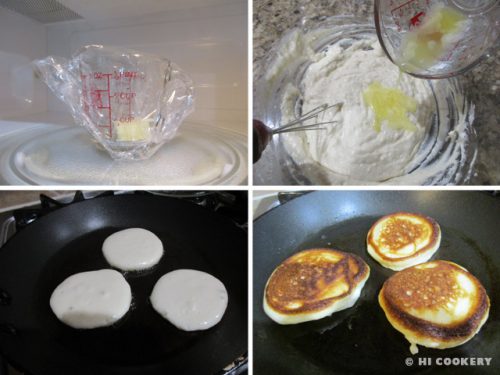
Mix in the remaining milk and melted butter. Drop by tablespoonsful on a greased griddle/skillet/pan on medium high heat. Do not overcrowd the pan if cooking in batches. Use a spatula to flip the scone on the other side when bubbles appear. Cook until golden brown. Transfer to a plate lined with paper towels. Serve warm with jam, jelly, clotted cream, butter or syrup.
Notes

  • Queen Elizabeth’s original recipe uses teacups for measurements. We have converted them to modern cup measurements above.
  • Search our blog for other royal recipes filed under the British/English/Tea Time section of our Theme Menus.
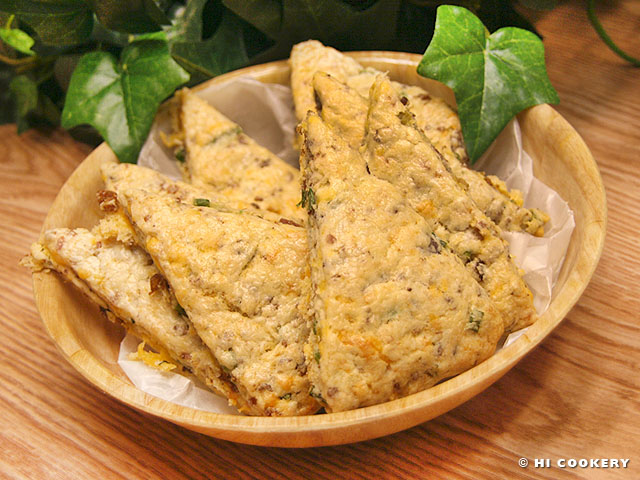
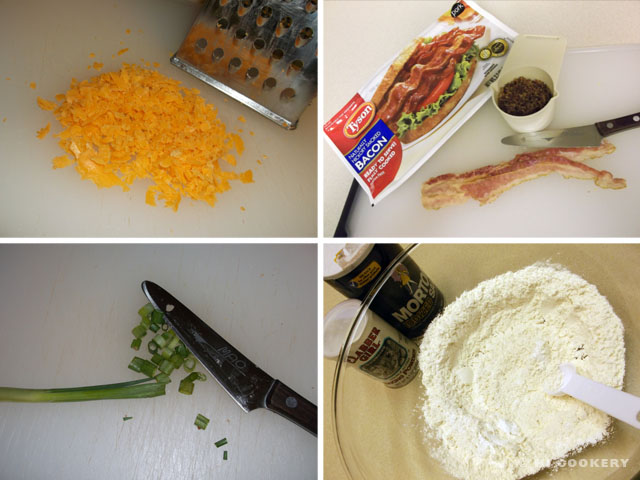
Bacon Cheddar Scallion Scones

Bacon Cheddar Scones

May 30: National Scone Day

Our typical tea time tray includes sweet treats. But we decided to try something savory and substantial, such as bacon cheddar scallion scones, instead. Similar to bread-biscuits, they add balance to the sweet scones we normally have with our tea. For a fuller and formal tea time, add finger sandwiches, desserts and scones—sweet and savory—and make this meal a big deal! Or for a simple snack, bake bacon cheddar scallion scones on National Scone Day.

Recipe

(Adapted from King Arthur Flour)

Ingredients

  • 1 cup flour
  • ¼ teaspoon salt
  • ½ tablespoon baking powder
  • 1 teaspoon sugar
  • 2 tablespoons unsalted butter, cold and cut into small pieces
  • ½ cup cheddar cheese, grated
  • ½ cup bacon, cooked and crumbled
  • ¼ cup scallions, finely chopped (green part only)
  • 6 tablespoons heavy whipping cream or milk

Directions

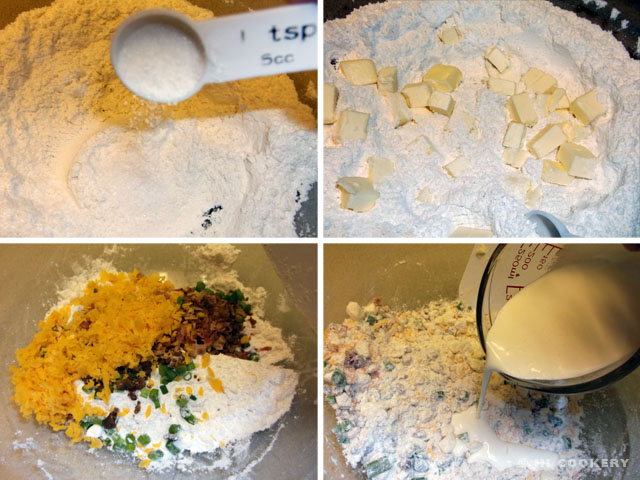
Grate the cheese, cook and crumble the bacon and chop the scallions. Set aside. In a separate bowl, combine the flour, salt and baking powder.

Bacon Cheddar Scones

Add the sugar to the flour mixture. Cut in the butter pieces and mix until they resemble coarse crumbs. Stir in the grated cheese, bacon and scallions. Gradually add the cream or milk (more or less may be needed, depending on your kitchen temperature and humidity). The scone dough should be able to stick together. If it is too dry, add a little more milk. If it is too wet, add a little more flour.

Bacon Cheddar Scones

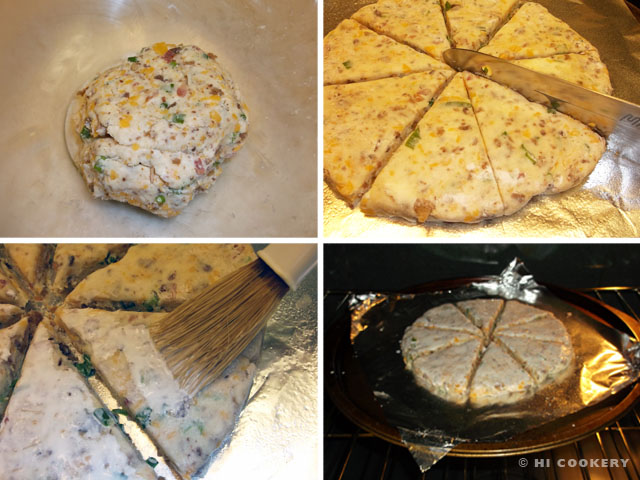
Form the dough into a ball. Transfer to a clean surface dusted with flour. Pat the dough ball into a disc. Gently flatten to ¾ inch thick. Place the disc on a lightly greased baking sheet. Use a sharp knife to cut into eight wedges. Spread them apart from each other so they do not stick together when they rise slightly while baking. Brush the tops with a little cream or milk. Bake in a preheated oven at 425 degrees F at 20-25 minutes or until golden brown. Remove from the oven. Cool on the pan. Separate the wedges. Arrange on a tea tray. Serve warm or at room temperature.

Bacon Cheddar Scones

Notes

  • National Scone Day is observed in Australia on May 30 but we join the mates Down Under by posting this recipe in the blogosphere and World Wide Web!
  • Bacon may be fried to a crisp, then chopped finely. We used fully-cooked bacon from the package and chopped it up. Real bacon bits (found in the salad section of the grocery store) may also be used.
  • Scallions/green onions may be substituted for snipped fresh chives.
  • Wedge-shaped scones are traditional but the dough may be cut in rounds as well.
  • Search our blog for other scone and tea time recipes.

Currant Scones

Currant Scones 

May 30: National Scone Day

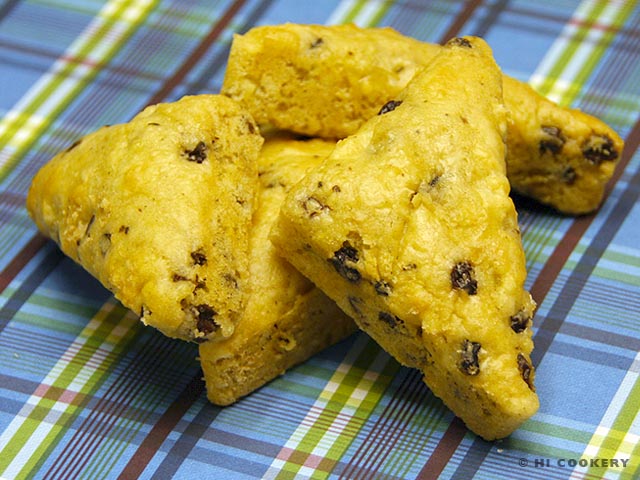
Of all the scone recipes we have tried, these currant scones are Highlander’s favorite because it is both flavorful and fragrant. They are also moist, light and lower in fat than other traditional currant scones. We bake them for breakfast, have them as a Scottish-style snack, eat them as a tea time treat and make them to commemorate National Scone Day.

Recipe

(Adapted from Great Good Food by Julee Rosso)

Ingredients

  • 1 cup currants
  • ¼ cup orange juice
  • 2 cups flour
  • 1 tablespoon baking powder
  • 1 teaspoon baking soda
  • ¼ cup sugar
  • 1 cup low-fat buttermilk
  • 3 tablespoons canola oil
  • 1 tablespoon vanilla

Directions

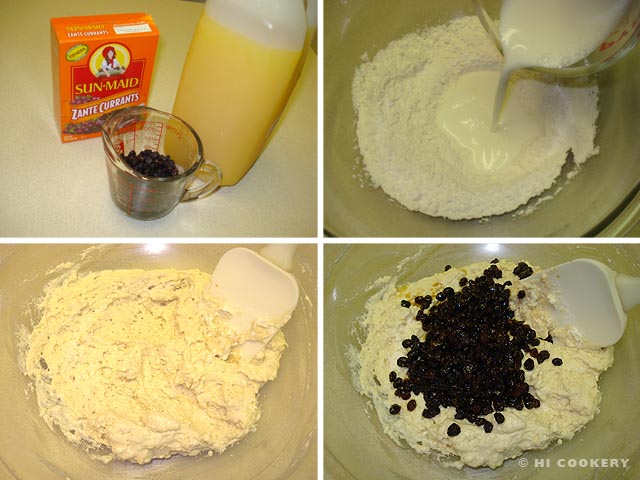
Plump up the currants by soaking them in orange juice for an hour. In a large bowl, mix together the flour, baking powder, baking soda and sugar. Blend in the buttermilk, canola oil and vanilla. Add the soaked currants with the orange juice. Do not overmix the batter or the scones will become hard.

Currant Scones

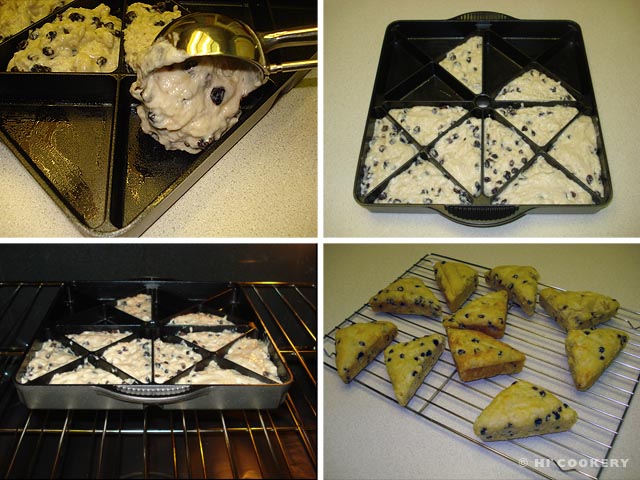
Using a small cookie dough scoop, drop the scones on a lightly greased baking sheet about two inches apart. Or fill halfway with batter the cavities of a buttered mini scone pan. Bake in a preheated oven at 350 degrees F for 12-15 minutes or until golden brown.  Remove from the oven and let cool on a wire rack. Scones may be served warm, if preferred.

Currant Scones

Notes

  • We halved the original recipe to serve just the two of us but bake the whole batch for breakfast when Highlander’s family comes to visit.
  • We bought our mini scone pan from Williams-Sonoma.
  • Search our blog for more scone recipes.